







Definition & Meaning
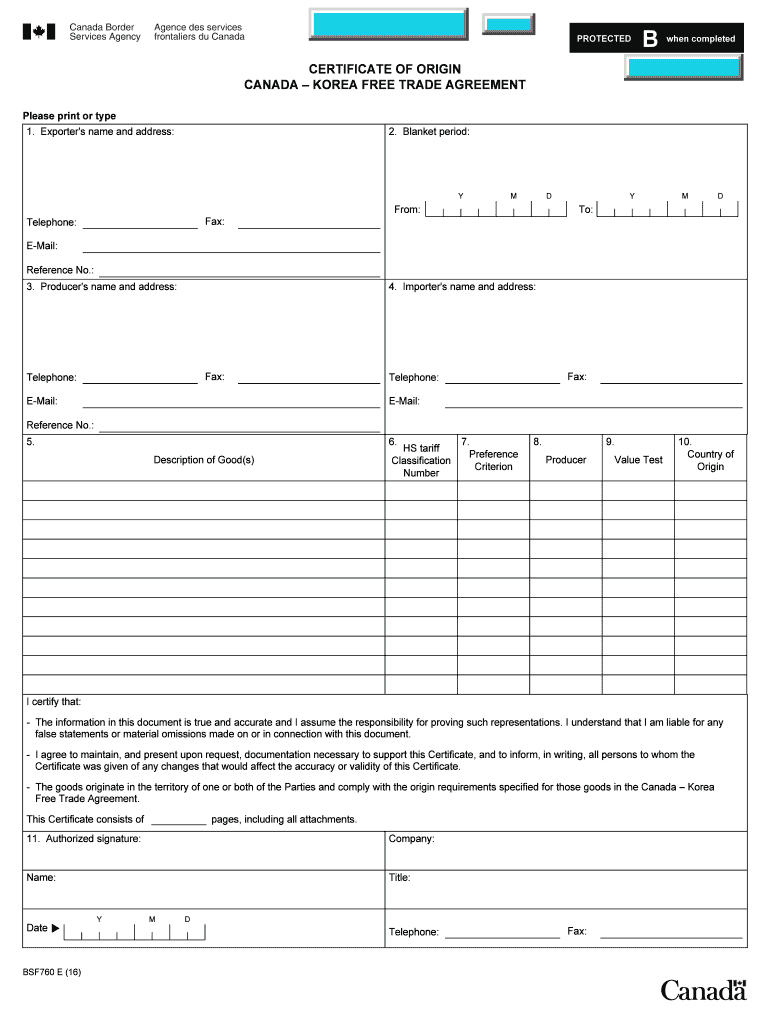
The Canada trade agreement form, often associated with agreements like the Canada-United States-Mexico Agreement (CUSMA) or the Comprehensive Economic and Trade Agreement (CETA), serves to facilitate trade between Canada and its trading partners. This form typically includes crucial information such as the exporter and importer details, product descriptions, tariff classifications, and proof of compliance with preferential treatment criteria. Understanding the purpose and elements of this form is essential for businesses looking to benefit from reduced tariffs and expedited customs processes.
Key Terms and Concepts
- Certificate of Origin: A document that verifies the country of origin of the goods being shipped, required for preferential tariff treatment under trade agreements.
- HS Tariff Classification: A code assigned to products which determines tariff and trade regulations applicable to those goods in international trade.
- Preference Criteria: Sets forth the requirements that must be met for goods to qualify for special tariff treatment under trade agreements.
How to Use the Canada Trade Agreement Form
Utilizing the Canada trade agreement form effectively requires specific attention to details to ensure compliance with trade regulations. Begin by accurately filling out each section, which includes information about the exporter, importer, the products in question, and the applicable tariff rates under the trade agreement.
Steps to Complete
- Provide Exporter Information: Include the name, address, and contact information of the exporting company.
- Input Importer Information: Similarly, fill out the details for the importing party to ensure all parties are clearly identified.
- Describe Products: Offer a detailed description of the goods being exported, including quantity and value.
- HS Classification: Identify the appropriate Harmonized System code for each product to facilitate correct duty assessment.
- Declare Preference Criteria: Specify how the products meet the criteria set forth in the trade agreement.
- Sign and Date: Finally, ensure that the form is signed by an authorized representative to validate the document.
Important Terms Related to Canada Trade Agreement Form
Understanding the terminology associated with the Canada trade agreement form is essential for proper use and compliance. These terms define the parameters within which international trade operates, influencing both legal obligations and logistical processes.
Common Terminology
- Customs Duties: Taxes imposed on imports, which may be reduced or eliminated under specific trade agreements.
- Incoterms: International commercial terms that clarify the responsibilities of sellers and buyers in cross-border transactions.
- Trade Preferences: Specific concessions offered under trade agreements that allow for reduced tariffs or expedited processing.
Key Elements of the Canada Trade Agreement Form
Several core components make up the structure of the Canada trade agreement form, each playing a critical role in facilitating effective trade relationships. Accurate and thorough completion of each section not only promotes compliance with legal standards but also streamlines customs processes.
Essential Components
- Exporter and Importer Sections: These areas require complete details of all involved parties. Missing information can delay processing.
- Product Description: A clear enumeration of products including all necessary details such as specifications and quantity.
- Harmonized Code Inclusion: Mandatory for all products being shipped internationally, as it directly affects tariff rates.
- Certification Declaration: A formal acknowledgement asserting that the provided information is accurate and meets the criteria for preferential tariff treatment.
Steps to Complete the Canada Trade Agreement Form
Detailed guidance on how to accurately fill out the Canada trade agreement form is essential for ensuring compliance and avoiding penalties. Each step outlined below provides a clear pathway for completeness.
Step-by-Step Instructions
- Download the Template: Access the appropriate form template for CETA or CUSMA from official trade resources.
- Fill in Exporter Details: Write down the exporting company's name and address followed by contact details.
- Complete Importer Information: Provide the necessary information for the receiving party, ensuring all details match identified records.
- Product Description: Clearly outline what products are being shipped, with specific attention to any distinguishing features and measurements.
- Harmonized Code Application: Identify and write the HS Tariff Classification code for each product. Research may be necessary to ensure accuracy.
- Preference Criteria Specification: State the applicable criteria that validate the product's eligibility for tariff preference.
- Submit the Form: Once completed, ensure it reaches customs along with any required accompanying documents to verify the shipment's compliance.
- Record Keeping: Maintain copies of all submitted forms for your organization's records to facilitate future audits or inquiries.
Who Typically Uses the Canada Trade Agreement Form
The Canada trade agreement form is primarily utilized by businesses involved in importing and exporting goods between Canada and other trade partner countries. Understanding the user demographics can assist in tailoring the use of this form to ensure proper compliance with trade terms.


Typical Users
- Exporters: Companies that sell products abroad, looking to maximize competitiveness through reduced tariffs.
- Importers: Businesses importing goods into Canada, needing to demonstrate compliance with origin criteria to avoid duties.
- Customs Brokers: Professionals managing international shipments who use the form to ensure documentation is complete for legal compliance.
- Logistics Companies: Providers of transportation and shipping services that require documentation for the movement of goods across borders.




