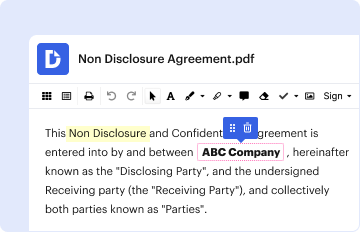
Type text, add images, blackout confidential details, add comments, highlights and more.
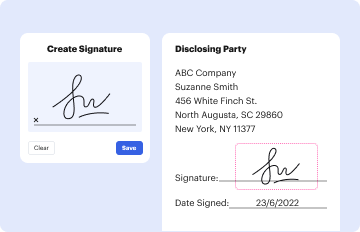
02. Sign it in a few clicks
Draw your signature, type it, upload its image, or use your mobile device as a signature pad.
03. Share your form with others
Send gift of equity form via email, link, or fax. You can also download it, export it or print it out.
How to use or fill out 1336 Transfer on Death Deed - Stevens-Ness Law Publishing with our platform
Ease of Setup
DocHub User Ratings on G2
Ease of Use
DocHub User Ratings on G2
Click ‘Get Form’ to open the 1336 Transfer on Death Deed in the editor.
Begin by entering the Owner’s Name and Address in the designated fields. Ensure that all information is typed or legibly printed.
Next, fill in the Beneficiary’s Name and Address. This is crucial as it identifies who will receive the property upon your death.
Specify where tax statements should be sent after recording by filling in the appropriate name and address.
In the section for property description, provide a detailed legal description of the real property being transferred. If more space is needed, continue on a separate page.
Designate your primary beneficiary by entering their name and mailing address. Optionally, you can also designate an alternate beneficiary.
Review all entered information for accuracy before finalizing your document. Remember, this deed must be recorded before your death to be effective.
Start using our platform today to easily complete your Transfer on Death Deed for free!
Fill out 1336 Transfer on Death Deed - Stevens-Ness Law Publishing ... online It's free
1336 transfer on death deed stevens ness law publishing sample1336 transfer on death deed stevens ness law publishing form1336 transfer on death deed stevens ness law publishing letter1336 transfer on death deed stevens ness law publishing formatStevens ness warranty deedSteve NessStevens-ness forms OregonStevens-Ness Rental Agreement
Security and compliance
At DocHub, your data security is our priority. We follow HIPAA, SOC2, GDPR, and other standards, so you can work on your documents with confidence.
You should carefully read all information on this form.
PUBLISHERS NOTE: ORS chapter 93 provides that Transfer on Death deeds: (a) Transfer only property that the transferor still owns at time of death, and trans-.Read more
by JW Snyder Jr Cited by 15 According to English common law, a chattel that caused the death of one of the Kings subjects was forfeit to the crown as a deodand, andRead more
Cookie consent notice
This site uses cookies to enhance site navigation and personalize your experience.
By using this site you agree to our use of cookies as described in our Privacy Notice.
You can modify your selections by visiting our Cookie and Advertising Notice.