




Definition & Meaning of Horse Lease Agreement
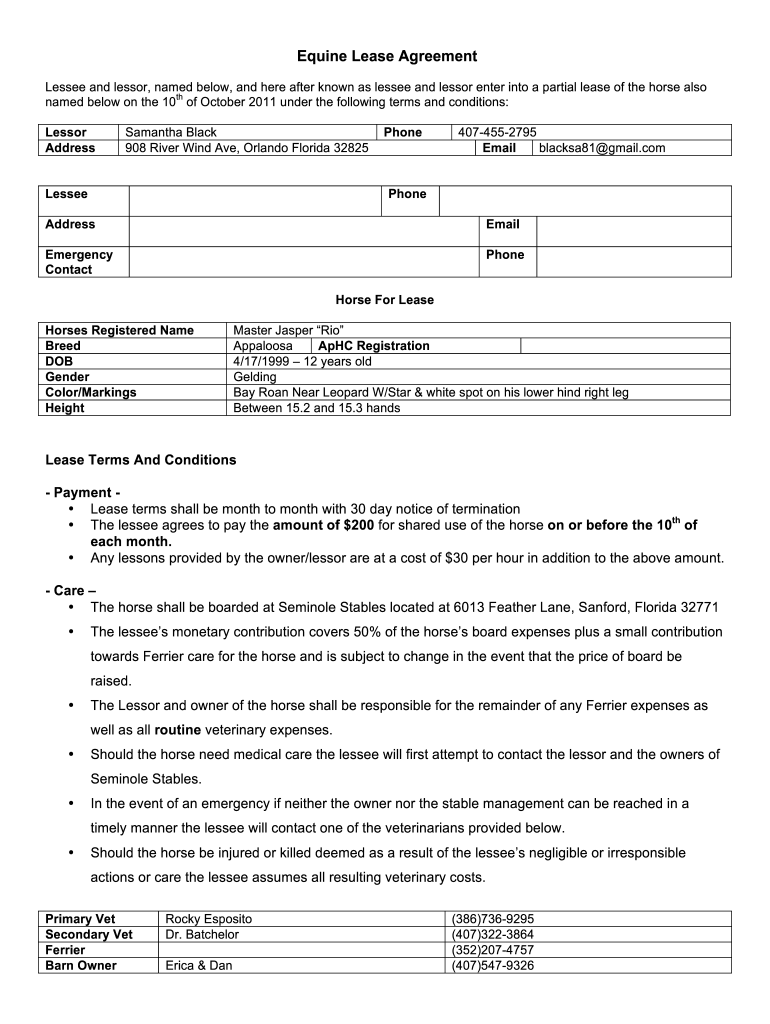
A horse lease agreement is a legal document that outlines the terms under which one party (the lessor) allows another party (the lessee) to use a horse for a specified period. This agreement details the responsibilities of both parties regarding the care, management, and expenses related to the leased horse. The key components often included in a horse lease agreement encompass payment terms, care responsibilities, liability clauses, and conditions for terminating the lease. Such agreements are crucial in ensuring clarified parameters surrounding the leasing arrangement, which can mitigate misunderstandings and potential disputes.
Key Components of a Horse Lease Agreement
- Payment Terms: Specifies the amount to be paid by the lessee and the payment frequency (e.g., monthly).
- Care Responsibilities: Outlines which party is responsible for feeding, veterinary care, and other care aspects.
- Liability Clauses: Addresses issues related to injuries to the horse, lessee, or other involved parties.
- Termination Conditions: Describes how either party can end the leasing agreement, including necessary notice periods.
Understanding these components can help both lessors and lessees establish a mutually beneficial leasing relationship.
How to Use the Horse Lease Agreement
Using a horse lease agreement involves several careful steps to ensure that all aspects of the leasing process are adequately covered. First, both parties should review the agreement in detail, discussing any areas that may need clarification. Open communication is vital, especially concerning care responsibilities and how payments will be handled.
Steps to Utilize the Agreement
- Review the Document: Both parties should read the document thoroughly, looking for terms related to care, expenses, and liability that may need adjustments.
- Negotiate Terms: If any terms are unclear or not agreeable, negotiate modifications before finalizing the contract.
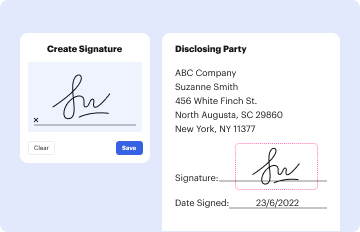
- Sign the Agreement: Once both parties are satisfied with the terms, they should both sign and date the lease agreement to make it legally binding.
- Keep Copies: Each party should retain a signed copy for their records, ensuring both parties have access to the same version of the agreement.
By following these steps, lessors and lessees can ensure a clear understanding and proper execution of their horse leasing arrangement.
Steps to Complete the Horse Lease Agreement
Completing a horse lease agreement requires careful attention to detail to ensure all necessary information is recorded accurately. In doing so, both parties can prevent future disputes.
Step-by-Step Completion Guide
-
Gather Required Information:
- Identifying details for both lessor and lessee (names, addresses).
- Information about the horse (name, breed, identification details).
-
Outline Terms and Conditions:
- Define the duration of the lease (e.g., short-term vs. long-term).
- Set the payment amount and schedule.
-
Specify Care Responsibilities:
- Assign necessary roles, such as who will handle feeding, grooming, and veterinary care.
-
Add Legal Clauses:
- Include liability clauses that outline the responsibilities and risks associated with horse ownership and leasing.
-
Review Before Signing:
- Both parties should review all sections to ensure clarity and agreement on responsibilities and expectations.
Following these steps will help streamline the leasing process while minimizing any potential misunderstandings.
Important Terms Related to Horse Lease Agreement
Familiarity with relevant terms is critical for parties entering a horse lease agreement. Understanding the jargon used in such documents can assist in navigating the leasing process more effectively.
Common Definitions
- Lessor: The individual or entity leasing out the horse.
- Lessee: The individual or entity renting the horse for use.
- Lease Duration: Refers to the set period the lease agreement is in effect.
- Usage Rights: The defined privileges the lessee has regarding how they can use or manage the horse.
- Termination Clause: Conditions under which either party may end the lease agreement.
Knowing these key terms can help clarify discussions surrounding horse leasing and ensure that both parties share a mutual understanding of their rights and responsibilities.
Key Elements of the Horse Lease Agreement
The success of a horse lease depends on specific key elements that must be included in the agreement. These elements protect both parties and ensure that expectations are clearly communicated.
Essential Elements
- Identity of Parties: Clearly state the names and contact information of both the lessor and lessee.
- Description of the Horse: Include relevant details like breed, age, registration number, and any unique identifiers.
- Payment Structure: Outline the agreed payment amount, when payments are due, and acceptable payment methods.
- Care Responsibilities: Clearly define who is in charge of daily care, feeding, veterinary visits, and any other obligations.
- Liability and Insurance: Include statements about liability coverage, and whether the lessor or lessee is responsible for insurance.
By including these key elements, the horse lease agreement becomes a robust document that safeguards the interests of both parties and lays the foundation for a smooth leasing experience.