

Against estate file 2026

Get Form
against estate file Preview on Page 1

Here's how it works

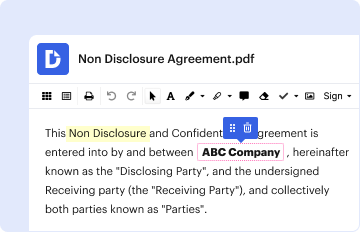
01. Edit your form online
Type text, add images, blackout confidential details, add comments, highlights and more.
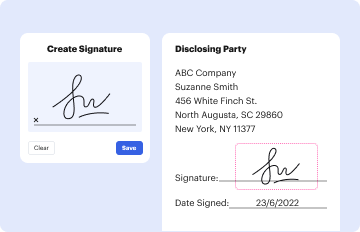
02. Sign it in a few clicks
Draw your signature, type it, upload its image, or use your mobile device as a signature pad.
03. Share your form with others
Send it via email, link, or fax. You can also download it, export it or print it out.

How to use or fill out against estate file with our platform

Form edit decoration
9.5
Ease of Setup
DocHub User Ratings on G2
9.0
Ease of Use
DocHub User Ratings on G2
  1. Click ‘Get Form’ to open the against estate file in the editor.
  2. Begin by filling in the case number and the name of the deceased at the top of the form. This information is crucial for identifying the specific estate.
  3. In section A, enter your name as 'AFFIANT' and specify the amount of your claim. Ensure that you accurately state that all offsets and payments have been accounted for.
  4. For section B, provide details about the CLAIMANT, including their name and address.
  5. In section C, indicate whether your claim is based on a written instrument or account. If applicable, attach a copy as 'EXHIBIT A'. If not, describe the facts supporting your claim.
  6. Section D requires you to confirm ownership of the claim or state if you are an authorized representative. Fill this out carefully to ensure clarity.
  7. Finally, sign and date the form in the designated area. Make sure to include your printed name and contact information.

Start using our platform today to streamline your document editing and submission process for free!

be ready to get more

Complete this form in 5 minutes or less

Get form

Got questions?

We have answers to the most popular questions from our customers. If you can't find an answer to your question, please contact us.
Contact us
An executor/beneficiary However, if an executor intends to bring a claim against the estate themselves, it is often appropriate for them to renounce their role as executor and so it is important to seek specialist legal advice in these circumstances.
The creditor first files a Statement of Claim in the probate matter for the decedent, or the person who died. If a claim is filed and it is timely, the court will not close the matter until the claim has been satisfied or the personal representative shows that funds are not sufficient to cover it.
Federal and state laws allow for creditor attachment to an estate. A lien claim is a debt collection order that can impact the value of an estate when become effective.
claim against an estate. n. upon the death of a person and beginning of probate (filing of will, etc.), a person believing he/she is owed money should file a written claim (statement) promptly with the executor or administrator of the estate, who will then approve it, in whole or in part, or deny the claim.
Filing a claim requires the use of a Judicial Council creditors claim form, which is available at the courthouse or on the Judicial Council website. A creditor must then serve a copy of the claim upon the person appointed as the personal representative of the decedents estate.

Security and compliance

At DocHub, your data security is our priority. We follow HIPAA, SOC2, GDPR, and other standards, so you can work on your documents with confidence.

Learn more
ccpa2
pci-dss
gdpr-compliance
hipaa
soc-compliance
be ready to get more

Complete this form in 5 minutes or less

Get form

People also ask

Submit your claim directly to the probate court and serve a copy on the personal representative. If you file a formal claim and the personal representative rejects it, you can file suit against the estate within three months of the rejection.

Related links