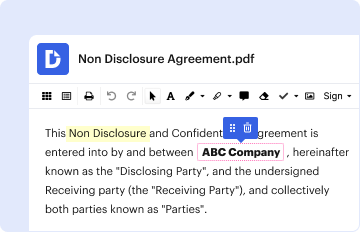
Type text, add images, blackout confidential details, add comments, highlights and more.
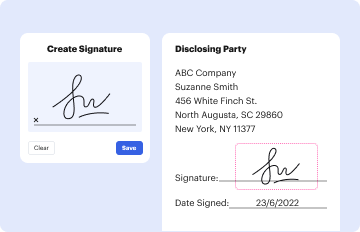
02. Sign it in a few clicks
Draw your signature, type it, upload its image, or use your mobile device as a signature pad.
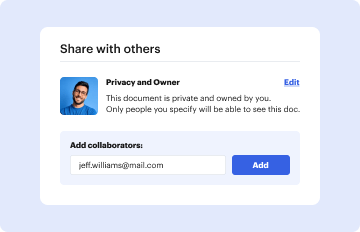
03. Share your form with others
Send it via email, link, or fax. You can also download it, export it or print it out.
How to use or fill out consignment form with our platform
Ease of Setup
DocHub User Ratings on G2
Ease of Use
DocHub User Ratings on G2
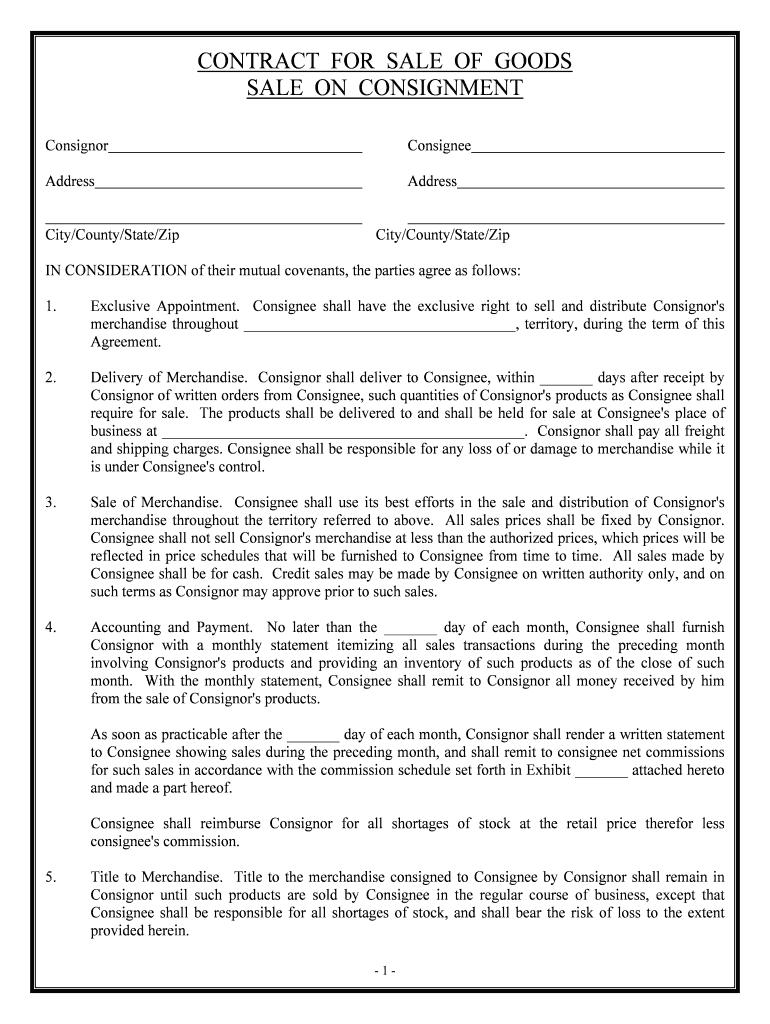
Click ‘Get Form’ to open the consignment form in the editor.
Begin by filling in the 'Consignor' and 'Consignee' sections with the respective names and addresses. Ensure all fields are accurately completed to avoid any issues later.
In the 'Exclusive Appointment' section, specify the territory where the Consignee will sell the merchandise. This is crucial for defining sales boundaries.
Next, complete the 'Delivery of Merchandise' field by indicating how many days after receiving orders from the Consignee that deliveries will be made.
Fill out the 'Sale of Merchandise' section by confirming that all sales prices will be set by the Consignor and ensure you understand any credit sale conditions.
In 'Accounting and Payment', note down when monthly statements will be provided and ensure you have a system for tracking sales transactions.
Finally, review all sections for accuracy before saving your completed form. Utilize our platform's features to sign and share your document seamlessly.
Start using our platform today to streamline your consignment process for free!
Consignment form templateSimple consignment agreement PDFVehicle consignment formConsignment form pdfConsignment agreement template WordFree consignment formConsignment form onlineConsignment form iaai
Security and compliance
At DocHub, your data security is our priority. We follow HIPAA, SOC2, GDPR, and other standards, so you can work on your documents with confidence.
In order that Consignor may carry out its obligations under this Agreement, Consignee agrees that Consignor may have reasonable access during normal businessRead more
Cookie consent notice
This site uses cookies to enhance site navigation and personalize your experience.
By using this site you agree to our use of cookies as described in our Privacy Notice.
You can modify your selections by visiting our Cookie and Advertising Notice.