



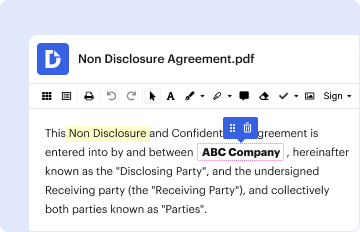
01. Edit your bench warrant online
Type text, add images, blackout confidential details, add comments, highlights and more.

Type text, add images, blackout confidential details, add comments, highlights and more.
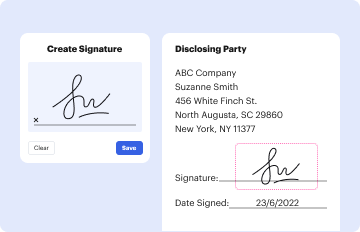
Draw your signature, type it, upload its image, or use your mobile device as a signature pad.

Send what is a bench warrant via email, link, or fax. You can also download it, export it or print it out.
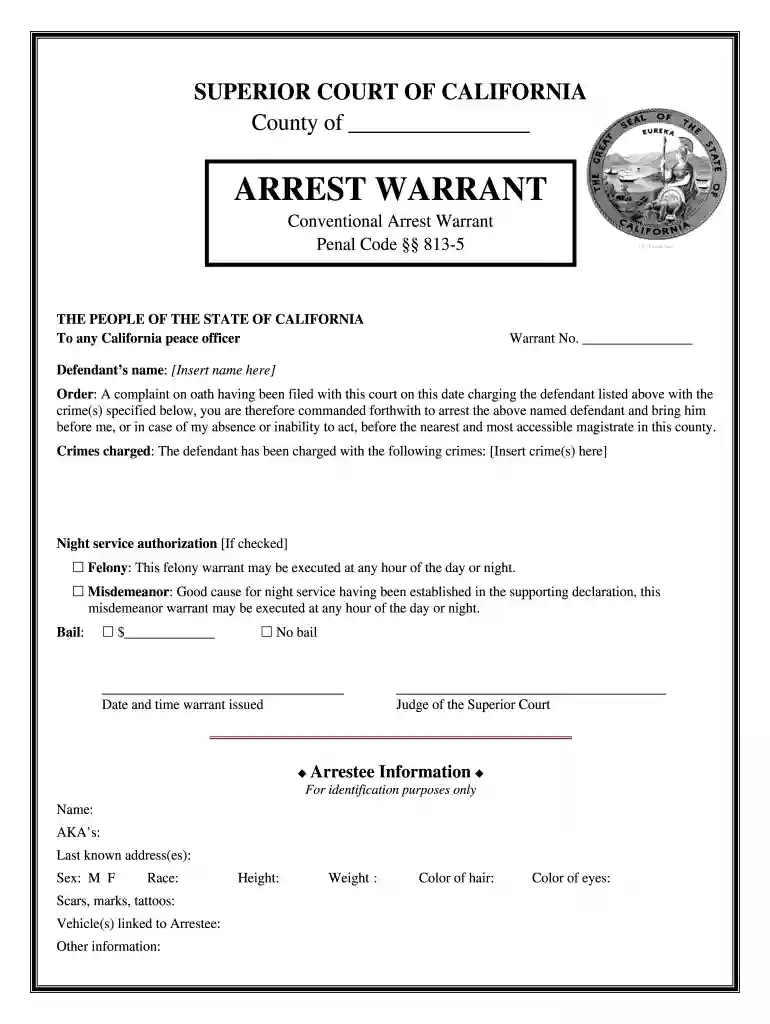
A California arrest warrant is a legal document issued by a judge or magistrate in the state, authorizing law enforcement to arrest an individual accused of a crime. The document specifically names the defendant and outlines the charges against them. Arrest warrants serve essential purposes in the legal system, allowing for the apprehension of suspects and ensuring that justice is served.
Key components of a California arrest warrant typically include:
Understanding the significance and legal impact of an arrest warrant is crucial for individuals facing charges and anyone involved in the legal process.
Obtaining an arrest warrant in California is a formal process that involves specific legal steps. Generally, it begins when law enforcement or a prosecutor submits a request to a judge based on probable cause. The steps are as follows:
It is essential for affected parties to understand that once a warrant is issued, it can lead to immediate arrest, making navigating this legal landscape crucial for their rights.
Understanding the critical components of a California arrest warrant can be helpful for both legal practitioners and individuals involved in the legal system. The main elements included are:
Each detail in a warrant plays a significant role in ensuring the legal procedures are aligned with due process and safeguards against wrongful arrests.
There are primarily two types of arrest warrants in California that serve different purposes:
Conventional Arrest Warrants: These are issued when law enforcement presents evidence of a specific crime, leading to the direct arrest of a suspect. They are most commonly used for felonies and serious misdemeanors.
Bench Warrants: Issued by a judge when an individual fails to appear in court as summoned. These warrants ensure compliance with judicial mandates and can be issued for various reasons, including failure to pay fines or compliance with probation terms.
Understanding these types allows individuals to navigate their legal situations better and seek appropriate legal counsel when necessary.
The legal use of a California arrest warrant is governed by strict regulations that protect individual rights while facilitating law enforcement:
These legal guidelines are essential to ensure that arrest warrants are used appropriately and that the rights of individuals are respected during the arrest process.
Arrest warrants can vary in format depending on the issuing court's requirements. A typical format includes:
Examples of arrest warrants can illustrate the differences in how they are issued and the specific language used. For instance, a warrant issued for a suspected robbery may read differently than one for a drug-related offense. Legal practitioners often refer to template formats to ensure all necessary information is accurately captured.
Several critical implications arise from an arrest warrant. Understanding these consequences is essential for individuals involved:
Individuals facing arrest warrants should seek immediate legal advice to understand their rights and options to mitigate the impacts.
At DocHub, your data security is our priority. We follow HIPAA, SOC2, GDPR, and other standards, so you can work on your documents with confidence.
This feature allows you to define a group of conventional system users so that they can share the use of a conventional channel. Note: Encryption keys areRead more
by BJ Priester 2019 Cited by 25 The doctrinal framework created by the warrant requirement serves as a core foundational principle of the Courts constitutional criminal procedure for policeRead more
When DLE personnel enter a premises for any enforcement reason including serving an arrest or search warrant, parole or probation search, consensual search, orRead more


