




Here's how it works
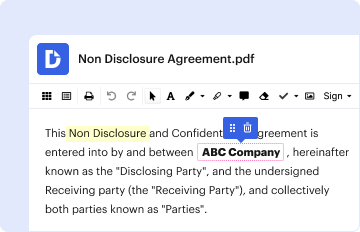
01. Edit your form ej 160 online
Type text, add images, blackout confidential details, add comments, highlights and more.
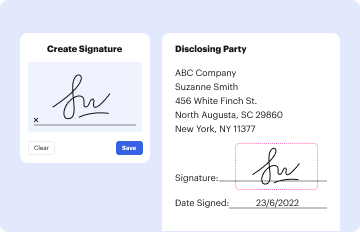
02. Sign it in a few clicks
Draw your signature, type it, upload its image, or use your mobile device as a signature pad.
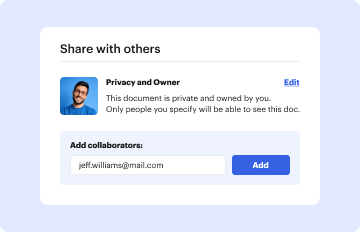
03. Share your form with others
Send ej 160 via email, link, or fax. You can also download it, export it or print it out.
How to use or fill out Ej 160 claim of exemption on line fillable form

- Click ‘Get Form’ to open the Ej 160 claim of exemption in our editor.
- Begin by filling in your name in the designated field at the top of the form. This is crucial as it identifies you as the claimant.
- Next, provide your attorney's information if applicable, including their name, address, and contact details. If you are representing yourself, leave this section blank.
- In section 1, specify where you would like papers sent—either to yourself or your attorney. Ensure that the address is accurate.
- Describe the property you claim to be exempt in section 4. Be specific about what property you are referring to.
- Indicate under which code and section you believe your property is exempt in section 5.
- Provide supporting facts for your claim in section 6. This helps substantiate your request for exemption.
- Finally, review all entries for accuracy before signing and dating the form at the bottom. Once completed, save and download your document.
Start using our platform today to easily fill out and manage your Ej 160 claim of exemption for free!
Fill out Ej 160 claim of exemption on line fillable form online
It's free
It's free
See more Ej 160 claim of exemption on line fillable form versions
We've got more versions of the Ej 160 claim of exemption on line fillable form form. Select the right Ej 160 claim of exemption on line fillable form version from the list and start editing it straight away!
| Versions | Form popularity | Fillable & printable |
|---|---|---|
| 2008 | 4.8 Satisfied (120 Votes) |
Got questions?
We have answers to the most popular questions from our customers. If you can't find an answer to your question, please contact us.
Contact us
What are the requirements for exemption in California?
California Exempt employees generally must earn a minimum monthly salary of at least two times the state minimum wage for full time employment. Simply paying an employee a salary does not make them exempt, nor does it change any requirements for compliance with wage and hour laws.
How to avoid bank levy in California?
You can ask the court to stop the bank levy if the money is protected (exempt) from collections. This is called a Claim of Exemption. 🔗 Note: All court form links open in a new tab so you dont lose your place.
How do I file a claim of exemption in California?
How to make a Claim of Exemption Fill out forms. Fill out two court forms: File the Claim of Exemption with the levying officer. Wait to see if the claim is opposed. Reply to the opposition (if any) Check if your court uses tentative rulings. Go to the hearing.
What are the exemptions for bank levy in California?
Identify Exempt Funds Certain funds are exempt from levy under California and federal laws, such as Social Security benefits, disability payments, and certain forms of public assistance. If you believe your seized funds fall under an exemption, you should assert your right to exempt those funds immediately.
What is a wage garnishment claim of exemption in California?
If your wages are garnished, you may file a Claim of Exemption to reduce the amount taken out of your paycheck or to terminate the wage levy. A Financial Statement must be included with the Claim of Exemption form. Your Claim of Exemption must be filed with the Sheriff at any time during the wage garnishment period.
Security and compliance
At DocHub, your data security is our priority. We follow HIPAA, SOC2, GDPR, and other standards, so you can work on your documents with confidence.
Learn more


People also ask
What is a claim to exemption?
If a judgment creditor wants to seize some of your property or wages in order to get paid, and that property is partly or fully exempt, you must file a claim of exemption in order to protect the property.
How do I file exempt in California?
State Income Tax Even if you have obtained federal exemption for your organization, you must submit an Exempt Application form (FTB 3500) to the Franchise Tax Board to obtain state tax exemption. You may apply for state tax exemption prior to obtaining federal tax-exempt status.