




Definition and Meaning of Wells Fargo 3rd Party Authorization
The Wells Fargo third party authorization form allows an individual to give permission to a designated person or entity to access their account information and perform specific transactions on their behalf. This authorization is particularly useful in contexts where account holders may require assistance managing their accounts or need someone else to handle transactions due to various circumstances, such as illness, travel, or organizational needs. By completing this form, the account holder effectively extends their authority to the third party, ensuring that both parties are clear on the permissions granted.
There are several key components included in the Wells Fargo third party authorization, such as:
- Account Information: This section requires details about the account holder's financial accounts, ensuring that authorized access is appropriately linked.
- Authorized User Details: Here, the account holder must provide accurate information about the individual or entity granted access, including their name, address, and contact details.
- Scope of Authorization: This outlines the specific permissions given to the third party, which may include access to account balances, transaction history, or the ability to make payments.
Understanding these details is crucial for both the account holder and authorized third parties to prevent unauthorized access and maintain security over personal and financial information.
How to Use the Wells Fargo 3rd Party Authorization
Utilizing the Wells Fargo third party authorization form involves several steps to ensure the proper transfer of authority is executed. Here’s a breakdown of the process:
-
Download and Complete the Form: The first step is to access the form from Wells Fargo’s website or request a hard copy from a local branch. The form requires the account holder to fill in essential details such as account numbers and full names.
-
Consent and Signature: Once the form is filled out, it must be signed by the account holder. This signature indicates consent, confirming that the account holder fully supports the authorization of the third party.
-
Submit the Form: The completed form must be submitted to a Wells Fargo branch or through the bank’s secure online banking portal, depending on the preferences set by the bank regarding submission methods.
-
Confirmation: After submission, it is advisable to follow up with the bank to confirm the authorization has been processed. Typically, Wells Fargo will provide a confirmation message through email or postal service once the form is activated.
These steps ensure that the authorization process is both effective and secure, allowing the third party to perform the necessary actions on behalf of the account holder.
Steps to Complete the Wells Fargo 3rd Party Authorization
Completing the Wells Fargo third party authorization form requires attention to detail to ensure all necessary components are accurately filled out. The following steps outline the process:
-
Gather Required Information: Collect information about your account and the person you are authorizing. This includes:
- Your account number and type (e.g., checking, savings)
- The full name, address, and contact details of the authorized person
-
Access the Form: Download the Wells Fargo third party authorization form from the official Wells Fargo website or pick one up at a local branch.
-
Fill Out the Form: Carefully complete all required fields. Ensure that:
- Your account details are accurate
- You clearly specify what permissions are being granted to the third party
-
Review for Accuracy: Before submission, review the form to ensure all information is correct, including spelling and account numbers, to avoid processing delays.
-
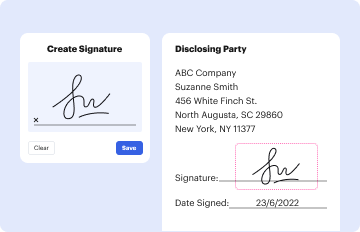
Sign and Date the Form: You must sign and date the form in the designated sections. This step signifies your consent and is a legal requirement for the authorization to take effect.
-
Submit the Form: Either deliver it to a Wells Fargo branch in person or submit it electronically through any available online banking capabilities.
-
Follow Up: After submitting, check in with Wells Fargo to confirm that the authorization is active and to inquire if any further steps are needed.
By following these steps, you can effectively complete the Wells Fargo third party authorization and ensure that all necessary permissions are granted.
Important Terms Related to Wells Fargo 3rd Party Authorization
Familiarity with specific terminology associated with the Wells Fargo third party authorization can enhance understanding and help both account holders and authorized individuals navigate the process effectively. Below are some essential terms:
-
Authorization: The act of granting permission to another person or entity to access account information or conduct transactions on behalf of the account holder.
-
Account Holder: The individual who owns the account and is entitled to manage it. This person must give consent for third parties to gain access.
-
Third Party: An individual or entity, such as a family member, attorney, or financial advisor, who is authorized by the account holder to access account information and perform transactions.
-
Scope of Authorization: This outlines the specific actions that the third party is allowed to perform, such as checking balances, making payments, or managing funds.
-
Revocation: The act of withdrawing previously granted authorization. It is important for account holders to understand how to revoke access if the need arises.
Understanding these terms is vital for both the account holder and the third party involved to ensure that all roles and responsibilities are clear, thus safeguarding the integrity of the authorization process.
Legal Use of the Wells Fargo 3rd Party Authorization
The Wells Fargo third party authorization is designed to comply with legal standards that protect both the account holder and the bank. It is crucial that users understand the legal implications associated with this authorization to ensure it remains effective and secure. Key points include:
-
Legality of Authorization: The authorization provided must have a clear intention and be voluntarily granted by the account holder. This ensures that legal rights are upheld, and the third party operates within the agreed boundaries.
-
Confidentiality and Privacy: When granting access, the account holder is responsible for understanding the implications for their personal data. The authorization permits the third party to view and manage certain aspects of the account, which may include sensitive information.
-
Compliance with Regulations: Wells Fargo adheres to regulatory requirements, such as the Gramm-Leach-Bliley Act, which mandates that financial institutions protect consumer data and privacy. The authorization must be utilized in accordance with these regulations to maintain compliance.
-
Clarification of Responsibilities: The form should clearly outline the rights and responsibilities of both the account holder and the third party. Misunderstandings regarding these responsibilities can lead to legal disputes, making precise language and understanding essential.
By understanding these legal considerations, account holders can effectively use the Wells Fargo third party authorization while safeguarding their rights and protecting sensitive information.