



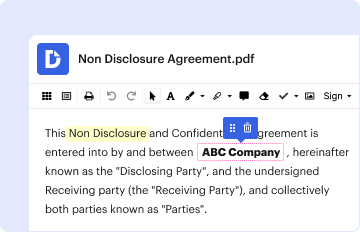
01. Edit your lien release form nc online
Type text, add images, blackout confidential details, add comments, highlights and more.

Type text, add images, blackout confidential details, add comments, highlights and more.
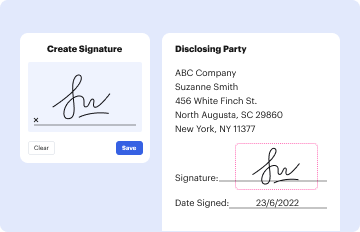
Draw your signature, type it, upload its image, or use your mobile device as a signature pad.
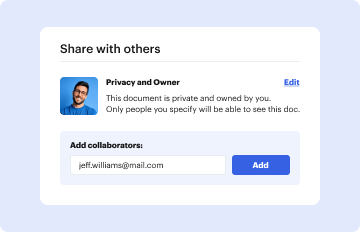
Send nc lien release form via email, link, or fax. You can also download it, export it or print it out.
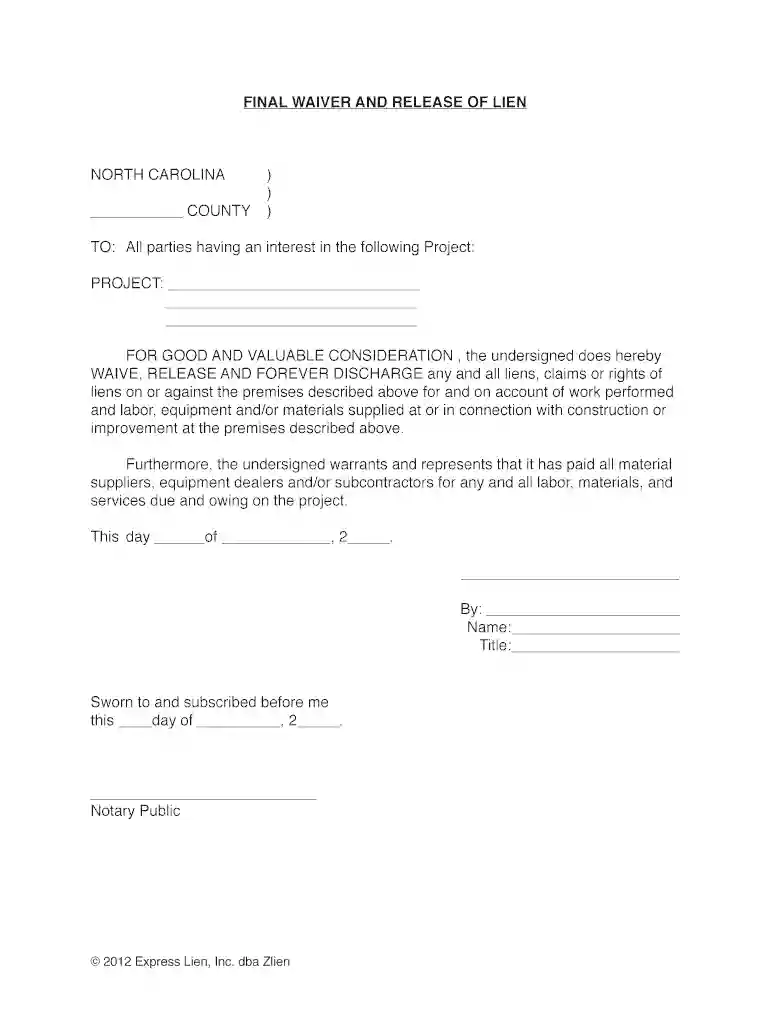
A lien release form in North Carolina serves as an official document that waives any claims against a property due to unpaid debts or obligations related to construction or other services. It is a critical part of the real estate and construction industries, ensuring that all parties involved in a project are compensated, and that property owners can secure their titles free of encumbrances. The primary function of this document is to release the lienholder's claim once they have received payment for their services, thus enabling a clear transfer of title.
In construction scenarios, contractors, subcontractors, or suppliers may place a lien on a property when payment is not received. The lien release form acts as evidence that financial obligations have been satisfied. There are two primary types of lien releases: unconditional and conditional. An unconditional lien release eliminates the lien immediately upon signing, while a conditional lien release will take effect only upon receipt of payment.
The lien release form NC includes several essential components:
These elements are crucial for validating the release, as they establish the legal context and ensure that all necessary information is captured.
Completing a lien release form in North Carolina involves several key steps:
Gather Necessary Information:
Complete the Form:
Sign the Document:
Distribute Copies:
File the Form Appropriately:
By carefully following these steps, individuals can effectively complete their lien release process and safeguard their property interests.
When dealing with lien release forms, understanding certain terms is crucial:
These terms provide a better understanding of the mechanics behind the lien release process and help individuals navigate related legal matters.
The lien release form NC is not only a tool for facilitating payments; it also plays a significant role in the legal framework governing property rights in North Carolina. For the lien release to be legally valid, it must comply with state laws, including requirements set forth by the North Carolina General Statutes. Key legal considerations include:
Understanding these legal aspects is critical to ensure that the lien release form serves its purpose effectively, safeguarding the rights of all parties involved.
Timeliness is critical regarding lien releases in North Carolina. Several relevant deadlines ensure compliance and prevent complications:
Adhering to these deadlines is crucial for maintaining legal standing and protecting property rights, ensuring all parties fulfill their obligations.
At DocHub, your data security is our priority. We follow HIPAA, SOC2, GDPR, and other standards, so you can work on your documents with confidence.
Enclosed with this Report Form R-1 are copies of Annual Reports on Form 10-K for year ended December 31, 2008, filed with the. Securities andRead more
AFFIDAVIT BY NORTH CAROLINA LIENHOLDER. This will confirm that the lien as indicated on North Carolina certificate of title number. , in theRead more
The clerk will then issue an Order for the Release of Property Held for Lien (CVM-901M), directing the lienor to release the vehicle to the owner. This remedyRead more


