






Definition and Purpose of an Eviction Appeal Letter
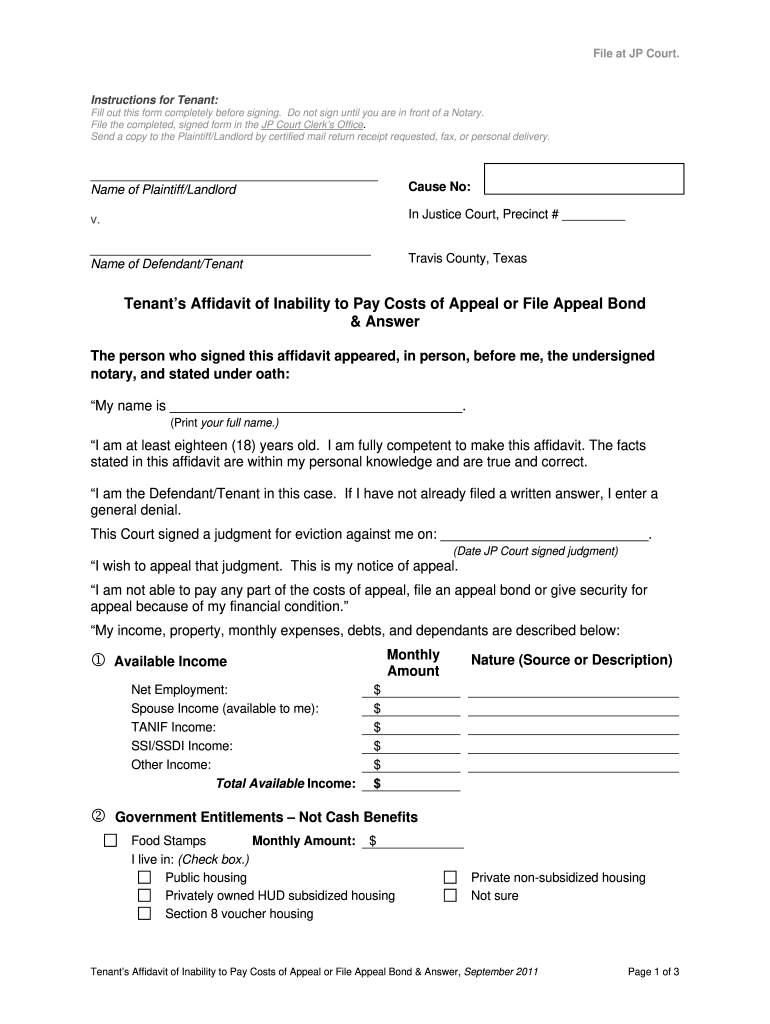
An eviction appeal letter is a formal document used by tenants to contest an eviction ruling. This letter serves as a means for the tenant to express their intention to appeal a decision made by a court regarding their eviction. It is essential for protecting the tenant's rights and providing an opportunity to present any mitigating circumstances or arguments that may lead to a reversal of the eviction judgment. Understanding the definition and proper use of this letter is crucial for tenants who wish to navigate the legal waters of housing disputes effectively.
Key Functions of the Eviction Appeal Letter
- Legal Notification: It formally notifies the court and landlord that the tenant is seeking to appeal an eviction ruling.
- Preservation of Rights: Filing an appeal can help preserve the tenant's rights and allow them to stay in the property while the appeal is being processed.
- Articulation of Grounds for Appeal: The letter provides a platform for tenants to outline their grounds for the appeal, which may include procedural errors, lack of evidence, or personal circumstances affecting their situation.
Steps to Complete Your Eviction Appeal Letter
Completing an eviction appeal letter requires careful attention to detail and adherence to legal standards to ensure that the appeal is considered valid by the court. Here are the key steps involved in crafting an effective eviction appeal letter:
- Review the Eviction Ruling: Understand the reasons for the initial eviction ruling by reviewing the court documents.
- Identify Legal Grounds for Appeal: Determine any legal grounds for your appeal, such as improper notice, lack of evidence, or new evidence that might support your case.
- Draft the Letter: Begin with your contact information, the court's name, and the case number. Follow this with a clear statement of intention to appeal.
- Outline Your Arguments: Detail the specific reasons for the appeal, supported by evidence where available. This may include financial difficulties, health issues, or any discrepancies in the eviction notice.
- Include Relevant Documentation: Attach any necessary documents that support your case, such as pay stubs, records of communication with the landlord, or medical records.
- File the Letter: Submit the completed letter to the relevant court, ensuring that you adhere to any deadlines established for filing appeals.
Important Terms Related to the Eviction Appeal Letter
Familiarizing yourself with specific legal terminology is essential when drafting an eviction appeal letter. Some relevant terms include:
- Eviction: The legal process through which a landlord removes a tenant from property.
- Appeal: A request for a higher court to review and change the decision of a lower court.
- Judgment: The final decision made by a court regarding a legal matter.
- Notice to Quit: A document issued by a landlord informing a tenant that they must vacate the property.
- Tenant Rights: Legal protections afforded to tenants which vary by location but generally include the right to due process in eviction proceedings.
Key Elements of an Eviction Appeal Letter
An effective eviction appeal letter should include several critical elements to ensure clarity and legal compliance:
- Salutation: Address the court formally, including the judge's name, if known.
- Introduction: State your name, the case number, and the purpose of the letter.
- Body: Describe why you are appealing the decision in a clear, organized manner.
- Conclusion: Request a specific action from the court, such as a hearing date for your appeal.
- Signature: Sign the letter and provide any necessary verification of identity.
State-Specific Rules for the Eviction Appeal Letter
Each state has its own laws and procedures regarding eviction appeals. It's crucial for tenants to be aware of the specific requirements in their state. Key considerations might include:
- Deadline for Filing: Some states have strict timelines (often ranging from a few days to several weeks) within which the appeal letter must be filed.
- Required Forms: Certain jurisdictions may require specific forms or additional documents to accompany the appeal letter.
- Local Court Rules: Each court may have unique procedural rules, including formatting and filing methods. Tenants should research and adhere to these local regulations to avoid dismissal of their appeal.
Examples of Using the Eviction Appeal Letter
Understanding how to implement an eviction appeal letter can be exemplified through various scenarios:
- Example 1: A tenant receives an eviction notice due to missed rent payments but can demonstrate that they were facing temporary job loss due to a medical condition. They would appeal on the basis of hardship, providing supporting documentation.
- Example 2: A tenant contests an eviction due to alleged lease violations that were not substantiated by evidence. The appeal letter would outline discrepancies in the landlord's claims and request a review of the evidence presented in court.
Using these examples, tenants can better comprehend the circumstances in which an appeal letter is appropriate and how to articulate their specific situations within the formal structure of the letter.