







Definition and Meaning of the Turo Inspection
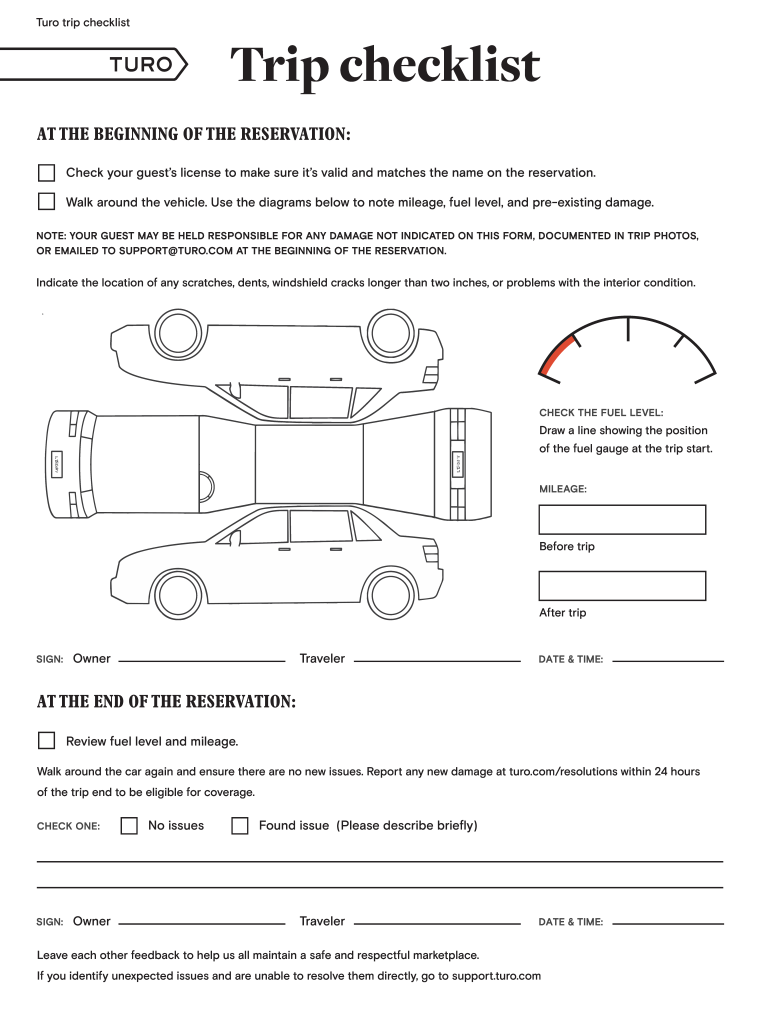
A Turo inspection is an essential process for both vehicle owners and renters on the Turo platform, aimed at ensuring the safety, reliability, and proper condition of rental vehicles. This inspection typically takes place both at the start and conclusion of a reservation. It serves as a way to document vehicle conditions, including mileage and fuel levels, while also providing a record of any pre-existing damages.
In essence, the inspection’s primary goal is to maintain a safe rental environment. By documenting the condition of the vehicle before and after each trip, parties can avoid disputes regarding damages or discrepancies in vehicle performance. The Turo inspection encompasses several key elements, including:
- Verification of the renter's valid driver's license.
- Detailed documentation of the vehicle's condition, specifically noting any damages, fuel levels, and mileage.
- Reporting requirements for both vehicle owners and renters, emphasizing the need to acknowledge and assess any new issues post-trip.
Understanding this framework fosters a reliable rental experience and sustains the overall integrity of the Turo platform.
Steps to Complete the Turo Inspection
Completing a Turo inspection is a structured process that both vehicle owners and renters must follow. Below are detailed steps to ensure that the inspection is thorough and compliant:
-
Check the Guest's Valid Driver’s License
- Before renting the vehicle, always confirm that the guest presents a valid driver's license. This crucial step verifies their right to operate the vehicle and protects both parties legally.
-
Document Pre-Rental Condition
- Create a checklist to systematically assess the vehicle's condition before the trip begins. The Turo inspection form typically includes:
- Exterior condition (scratches, dents).
- Interior cleanliness and functionality (seats, dashboard).
- Mechanical status (brakes, lights).
- Check mileage and fuel levels.
- Create a checklist to systematically assess the vehicle's condition before the trip begins. The Turo inspection form typically includes:
-
Take Photos
- Capture clear images of the vehicle’s exterior and interior. This visual documentation serves as a point of reference in case of disputes after the rental.
-
Review and Obtain Signature
- After both parties complete the inspection, review all findings together. Both the owner and renter should acknowledge the documented condition by signing the Turo inspection form.
-
Report Post-Trip Condition
- After the trip, conduct another inspection to identify any changes or damages incurred during the rental period. This should mirror the initial inspection process.
-
Submit Documentation
- If any new issues arise, document them properly and report them within 24 hours. This includes submitting the updated condition report via the Turo platform.
Following these steps will ensure a straightforward and efficient inspection process, minimizing misunderstandings and protecting both the vehicle owner and the renter.
Important Terms Related to the Turo Inspection
Familiarity with key terminology associated with the Turo inspection can enhance understanding and compliance. Here are essential terms that frequently arise:
-
Turo Inspection Form: A document that categorizes the condition of the vehicle before and after the rental period, including all relevant notes about the vehicle’s state.
-
Mileage: The distance traveled by the vehicle, documented at the start and end of the rental to ensure accuracy in billing and performance reviews.
-
Fuel Level: A notation of fuel amount at the start and end of the trip, critical for evaluating whether the vehicle was returned in the same condition as it was rented.
-
Damage Reporting: The process of identifying and recording any new damages sustained during the rental period, including photographs and notes.
-
Pre-Existing Conditions: Any damage or mechanical issues that were documented prior to the rental, crucial for dispute resolution.
Understanding these terms fosters clear communication between vehicle owners and renters, ensuring all parties adhere to the expectations of the Turo rental process.
State-Specific Rules for the Turo Inspection
Regulations regarding vehicle rentals and inspections can vary widely across the United States, and it's important for Turo users to be aware of state-specific rules that may impact the inspection process:
-
Insurance Requirements: Some states have specific insurance requirements for rental vehicles. Vehicle owners must meet these before listing their cars on Turo.
-
Safety Inspections: Certain states may mandate periodic vehicle safety inspections. Turo hosts may need to confirm that their vehicles comply with these inspections.
-
Rental Disclosure: Some jurisdictions require disclosure of specific vehicle details to renters, which should be documented during the Turo inspection process.
-
Liability Policies: Regions may have different liability regulations that affect how damages are assessed during the Turo inspection, outlining the owner's and the renter's responsibilities.
By adhering to these state-specific regulations and rules, both vehicle owners and renters can ensure compliance and avoid potential complexities during the rental process.
Legal Use of the Turo Inspection
The legal implications of conducting a Turo inspection are numerous and pertain to liability, regulation compliance, and dispute resolution. Understanding the legal landscape is vital for both vehicle owners and renters:
-
Legally Binding Documentation: The completed Turo inspection form serves as a legal document that can protect both parties in case of disputes. This documentation details the vehicle's condition and outlines what was agreed upon before the rental.
-
ESIGN Act Compliance: Electronic signatures that are used for the Turo inspection are considered legally binding under the ESIGN Act, meaning both parties’ consent is recorded and acknowledged in a legally enforceable manner.
-
Insurance Claims: Should a dispute arise regarding damages, the thorough documentation from the Turo inspection can be invaluable in insurance claims, demonstrating that the acknowledged conditions were noted before and after the rental period.
-
State Laws: Different states may have varying laws regarding rental agreements and liability. Understanding local regulations ensures compliance with rental laws and reinforces accountability during the inspection.
Recognizing these legal intricacies during the inspection process can significantly reduce risks and enhance the rental experience on Turo.




