



01. Edit your op201 online
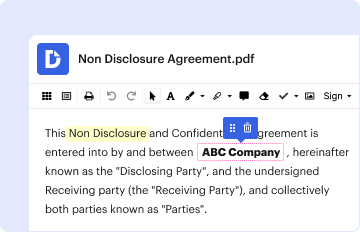
Type text, add images, blackout confidential details, add comments, highlights and more.

Type text, add images, blackout confidential details, add comments, highlights and more.
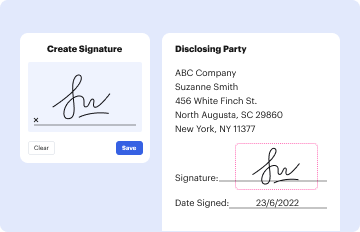
Draw your signature, type it, upload its image, or use your mobile device as a signature pad.
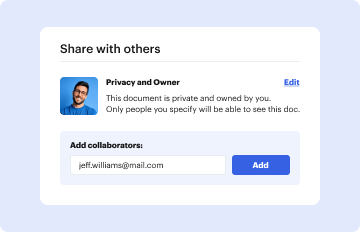
Send op 201 nyc doe via email, link, or fax. You can also download it, export it or print it out.
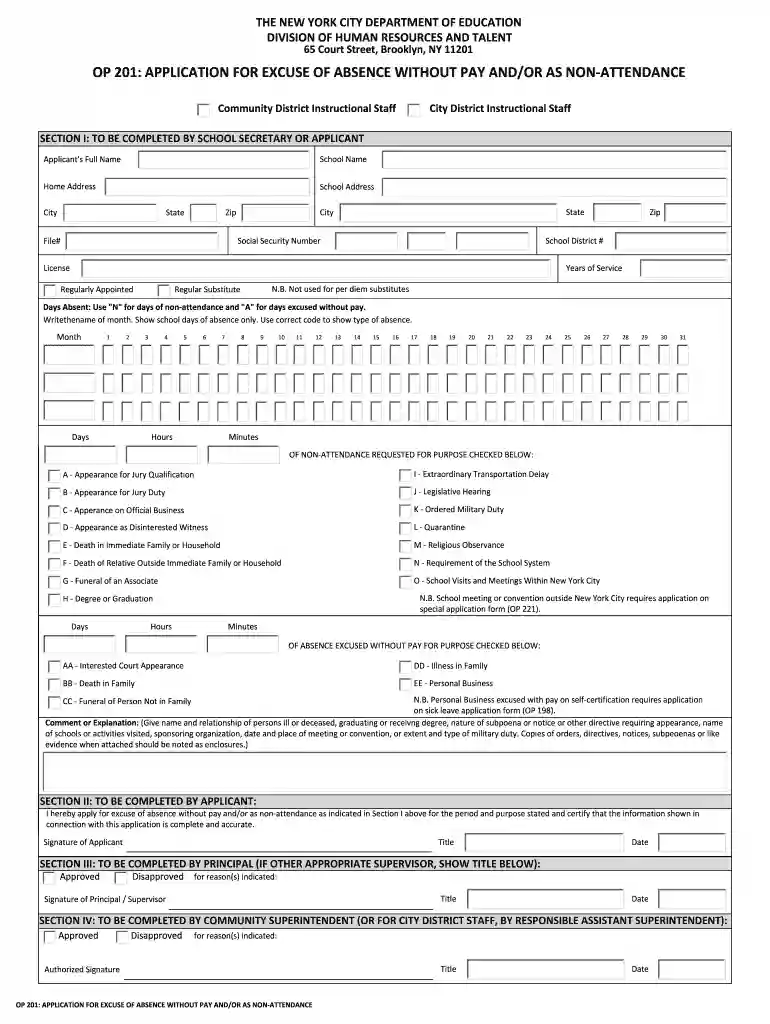
The OP201 form is an application designed by the New York City Department of Education (NYC DOE) to enable instructional staff to formally request an excuse for absence without pay or to record non-attendance. It serves as a critical document for managing attendance and absence requests, ensuring that staff can provide necessary explanations for their time away from work.
Understanding the OP201 form aids educational professionals in navigating their leave options efficiently while complying with departmental regulations.
Accessing and completing the OP201 form consists of several straightforward steps designed to ensure that all necessary information is accurately provided.
Obtaining the Form:
Filling Out Personal Information:
Reviewing Absence Types:
Signature for Approval:
Follow-Up:
Completing the OP201 accurately ensures timely processing and compliance with organizational attendance policies.
Several critical components make up the OP201 form, each serving specific functions critical to its purpose.
These elements work cohesively to maintain order and standardization in handling absence requests within the educational framework.
Utilizing the OP201 form correctly involves understanding its legal implications within the educational department.
Understanding these legal guidelines helps staff navigate their absence requests while adhering to required policies.
The OP201 form can be employed in various scenarios, and understanding these examples can help staff effectively utilize the form.
These scenarios illustrate the versatility of the OP201 form in accommodating a range of legitimate reasons for absence in the NYC DOE setting.
Familiarity with specific terminology associated with the OP201 form is essential for effective navigation of the document and its processes.
Understanding these terms enhances clarity when filling out, submitting, and processing absence requests through the OP201 form.
According to eSignature regulations, forms signed digitally have the same validity as traditionally approved ones. You can electronically sign almost any business and personal documentation. Four types of paperwork still require handwritten signatures only - wills and testamentary trusts, court orders and other court forms, state statutes governing divorce, adoption, or other family law, and notice of cancellation of utility services. If you adhere to the guidelines and use a trustworthy and compliant software solution, like DocHub, you can eSign your op201 form without printing it.
When you choose analog ways of completing your op 201, you can easily download your file for printing. Search DocHub’s Forms & Templates catalog to locate the exact document template you require and open it for editing or download it on your gadget in the format of your choice. It is possible to complete your form electronically and put your handwritten signature on it right after printing or eSign your document with DocHub.
At DocHub, your data security is our priority. We follow HIPAA, SOC2, GDPR, and other standards, so you can work on your documents with confidence.
AMPL. MIXER. (VI05). 3 L. FIG.3-7. R202. 32.49. 4. T202. 3. AVC. OP201. SCAN. +105V. REG. +180V. V202. 2ND 1-F. AMPL. T203. 4. 16. AVC. +105V. REG. AVC. V 202.Read more
Sep 17, 1998 combinations from any one or more subclassifications (OP201,OP202,OP203) of anti- infectives, topical ophthalmic. The ophthalmic, otherRead more
Name, OP201 View On Wormbase. Species, C. elegans. Genotype, unc-119(tm4063) III; wgIs201. Description, wgIs201 [pqm-1::TY1::EGFP::3xFLAG(92C12) +Read more


