Lessors permit 2026

Get Form
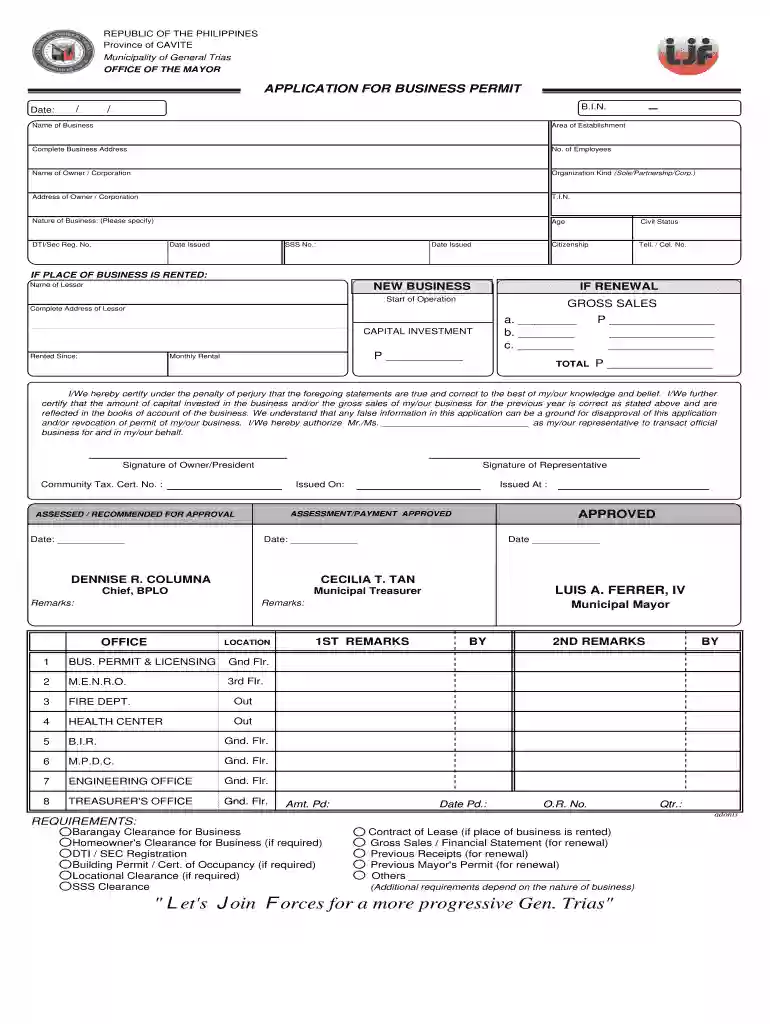
lessor permit Preview on Page 1

Here's how it works

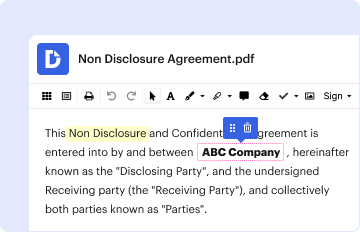
01. Edit your lessor permit online
Type text, add images, blackout confidential details, add comments, highlights and more.

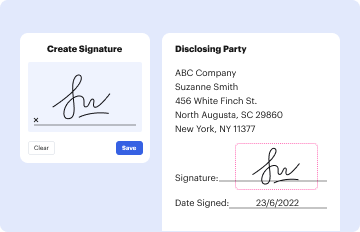
02. Sign it in a few clicks
Draw your signature, type it, upload its image, or use your mobile device as a signature pad.
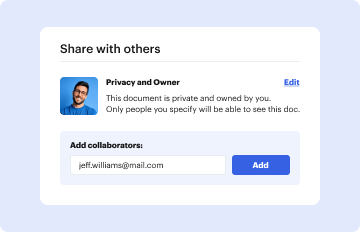
03. Share your form with others
Send lessor permit requirements philippines via email, link, or fax. You can also download it, export it or print it out.

Definition and Meaning of the Lessor's Permit

A lessor's permit is an official document required for individuals or businesses that lease or rent out property or equipment. This permit serves as a legal authorization that enables the lessor to engage in leasing activities. It is essential for compliance with local and state regulations, ensuring that the lessor adheres to relevant laws governing rental agreements.

The term "lessor" refers to the entity that leases property, while the "permit" signifies the legal approval needed to operate as a lessor. Typically, various jurisdictions may have specific variations or additional requirements related to lessor permits, highlighting their importance in maintaining lawful business operations. Understanding the nuances of what qualifies as a lessor's permit is vital for anyone considering entering the leasing market.

Key Elements of the Lessor's Permit

A lessor's permit encompasses several critical components that define its scope and utility:

  • Lessor Identification: This section contains details about the lessor, including legal name, business address, and contact information.
  • Property Description: A detailed description of the leased property, including its location, type, and any relevant identification numbers (like tax IDs).
  • Duration of Lease: Specifics regarding the lease term, renewal conditions, and termination rights can be outlined within the permit.
  • Compliance Statements: These may include clauses affirming adherence to local zoning laws, safety regulations, and tax obligations.
  • Signature Requirement: The presence of the lessor's signature may be necessary to validate the document, indicating acceptance of the terms and conditions.

Understanding these components ensures compliance with the legal framework surrounding lease agreements and protects both the lessor and lessee's rights.

Who Typically Uses the Lessor's Permit

The lessor's permit is utilized by a variety of individuals and entities involved in leasing activities. Common users include:

  • Real Estate Investors: Individuals or entities that lease residential properties, such as apartments or single-family homes.
  • Commercial Property Owners: Businesses or individuals who rent out commercial spaces, including retail, office, or industrial properties.
  • Equipment Lessors: Businesses renting out machinery or equipment, often seen in sectors like construction, agriculture, or technology.
  • Vehicle Leasing Companies: Firms that offer vehicle rentals, whether short-term or long-term leases for personal or commercial use.

These users must understand the specific regulations and requirements for obtaining and maintaining a lessor's permit to ensure compliance and safeguard their leasing operations.


decoration image ratings of Dochub

Steps to Complete the Lessor's Permit

Completing a lessor's permit often involves a systematic process to ensure accuracy and compliance. The typical steps include:

  1. Gather Required Information: Collect all necessary information regarding the property, the lessor's business, and any regulatory requirements.
  2. Obtain the Application Form: Download or request the lessor permit application form from the relevant governmental agency.
  3. Complete the Application: Fill out the form, ensuring all required fields are accurately completed and any relevant details are included.
  4. Attach Supporting Documents: These may include proof of ownership, property zoning compliance certificates, and tax identification numbers.
  5. Submit the Application: Depending on the jurisdiction, this can often be done online, by mail, or in person at designated offices.
  6. Pay Fees: Payment of any required fees must be made at the time of submission, following the guidelines set by the issuing authority.
  7. Await Approval: Once submitted, the application is reviewed by the appropriate authorities, and approval is typically communicated within a specified timeframe.

These steps highlight the importance of thoroughness and attention to detail in the submission process to avoid delays in obtaining the lessor's permit.

Important Terms Related to the Lessor's Permit

Familiarizing oneself with key terms related to the lessor's permit can aid in navigating the complexities of leasing regulations:

  • Lease Agreement: A binding contract between the lessor and lessee detailing terms of the rental arrangement.
  • Zoning Laws: Local regulations that dictate how property in specific geographic zones can be used, influencing what types of leases can be granted.
  • Compliance: Adhering to legal standards and regulations governing leasing activities, crucial for maintaining an active lessor's permit.
  • Tax Identification Number (TIN): A unique identifier assigned by the IRS for business entities, often required for permit applications.
  • Landlord-Tenant Laws: A body of regulations that governs the relationship between property owners and tenants, including rights and responsibilities of each party.

Understanding these terms is essential for lessors to navigate regulatory landscapes and protect their interests in leasing transactions.

Required Documents for Obtaining a Lessor's Permit

When applying for a lessor's permit, specific documents must be submitted to demonstrate compliance with local regulations. Typical requirements include:

  • Completed Application Form: The official form provided by the governing authority.
  • Identification Documents: Proof of identity for the lessor, which may include government-issued IDs or business registration documents.
  • Property Ownership Documentation: Deeds or agreements that establish ownership of the property being leased.
  • Zoning Compliance Certificate: Documentation verifying that the property adheres to local zoning laws relevant to leasing.
  • Tax Information: Submission of a Tax Identification Number (TIN) or other tax-related documentation.

These documents support the application, ensuring that all legal and regulatory obligations are met prior to the approval of the lessor's permit.

be ready to get more

Complete this form in 5 minutes or less

Get form

Got questions?

We have answers to the most popular questions from our customers. If you can't find an answer to your question, please contact us.
Contact us
In a lease agreement a lessor is an individual or entity that owns an asset and leases or rents it out to another party in exchange for regular payments, usually called rent or lease payments.
Permission to Lease Permit means that written permit given by the Territorial Clerk, authorizing an Applicant to negotiate a Lease Agreement; View Source.
In Georgia, a property management company must hold a brokers license. A salesperson with a Georgia real estate license can also perform property management activities under the supervision of their broker.
Nearly every dealership in America will require their vehicles to be insured by those leasing, and insurance companies typically wont register a specific vehicle to a driver without having an active drivers license. A learners permit is basically a drivers license with additional restrictions.
Tenants Permits . Any governmental permits (including zoning, development, and special use permits) which are necessary for the lawful operation of the Leased Premises for the Permitted Use; Certificate of Occupancy if required based on Tenant Work.

Security and compliance

At DocHub, your data security is our priority. We follow HIPAA, SOC2, GDPR, and other standards, so you can work on your documents with confidence.

Learn more
ccpa2
pci-dss
gdpr-compliance
hipaa
soc-compliance
be ready to get more

Complete this form in 5 minutes or less

Get form

People also ask

While leasing and renting share many similarities, there are some subtle distinctions between the two. The main difference is the length of tenancy. A rental agreement is usually short term or month-to-month, while a lease is typically for a longer period of time, usually six months or more.
Rental permit means a document, issued periodically, which grants the owner or operator the option of letting a unit for rental purposes and showing that the unit for which it is issued was in compliance with the applicable provisions of this chapter at the time of issuance.

sample of lessor permit