
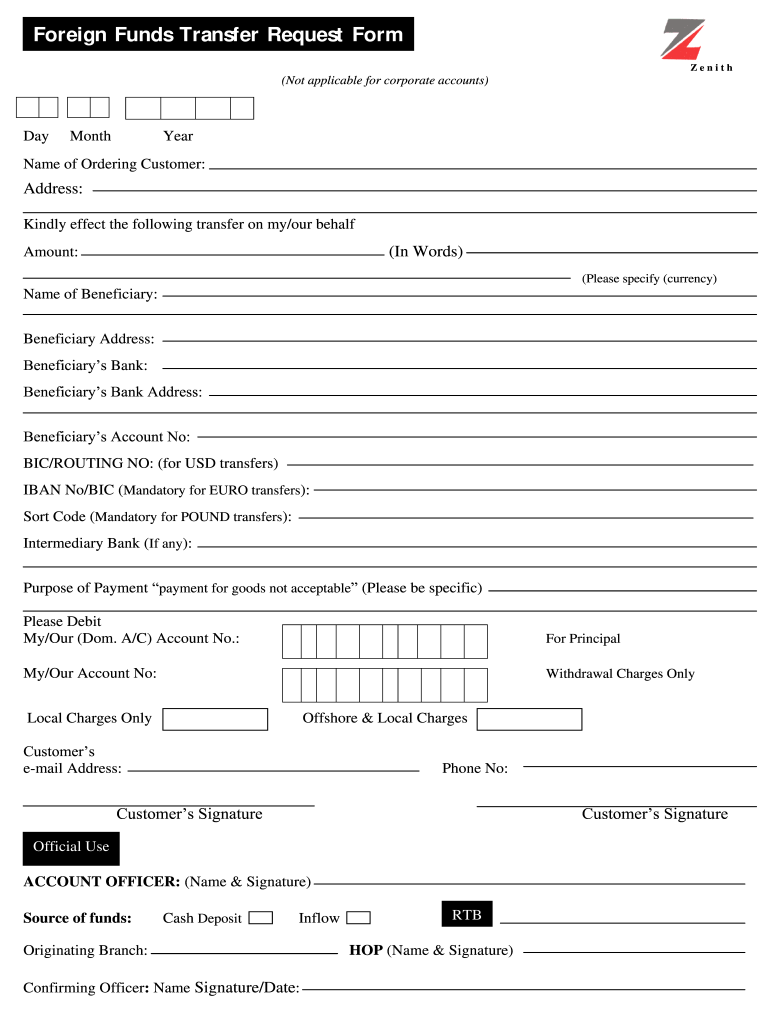







Understanding the Bank Transfer Form PDF
A bank transfer form PDF is an essential document used by individuals and businesses to facilitate the transfer of funds from one bank account to another. This document is critical for transactions such as paying bills, sending money to family or friends, and transferring funds between accounts. When completed properly, it ensures that the transfer process is efficient and secure.
Key Components of the Bank Transfer Form PDF
The bank transfer form typically includes several key sections that must be carefully filled out to ensure accuracy:
-
Sender Information: This section requires the sender's full name, address, phone number, and account details. It's essential to provide clear and accurate information to avoid delays in processing the transfer.
-
Recipient Information: Include the recipient’s name, contact details, and banking information. This may include the recipient's bank name, account number, and routing number in the U.S. Properly entered recipient details are crucial for ensuring the funds reach the intended account.
-
Transfer Amount: Clearly state the total amount being transferred, including the currency type. Specifying the amount ensures that there’s no confusion regarding the funds being sent.
-
Purpose of Transfer: Many banks require a section that describes the purpose of the transaction. This information can be helpful for record-keeping purposes and may be required by regulatory bodies.
-
Authorization Signature: The sender typically must sign the form to authorize the bank to process the transfer. This signature acts as confirmation that the sender agrees to the transaction and understands any associated fees.
How to Complete the Bank Transfer Form PDF
Completing the bank transfer form correctly is essential to avoid any banking errors or transaction delays. Follow these steps:
-
Download the Form: Obtain the bank transfer form PDF from the bank’s website or requesting it directly from the bank branch.
-
Fill in Sender Information: Enter all requested information accurately. Double-check the account number and routing number to ensure they are correct.
-
Provide Recipient Details: Accurately input the recipient’s information. Pay particular attention to entering their bank account and routing numbers correctly.
-
Indicate the Transfer Amount: Clearly specify the total amount being sent. Ensure that you clearly indicate whether the amount is in dollars or another currency.
-
State the Purpose: Complete the purpose section, if applicable. This can be as simple as “gift” or “payment for services.”
-
Sign the Form: Finally, provide your signature to authorize the transfer. Without this, the bank will not process the transaction.
Types and Variants of Bank Transfer Forms
There are several types of bank transfer forms that vary based on the nature of the transfer:
-
Domestic Transfer Forms: Used for transfers within the same country, these forms typically have less stringent requirements.
-
International Wire Transfer Forms: These forms often require additional information, such as SWIFT codes and possibly the currency conversion details.
-
Recurring Payment Forms: Commonly used for automatic payments, these forms outline how often and when payments will be deducted.
Each type of form will have specific requirements and sections tailored to its use, making it essential to choose the correct form for your needs.
Legal Considerations and Compliance
Using a bank transfer form involves several legal considerations:
-
Authorization and Consent: The sender's signature on the bank transfer form acts as legal consent for the transaction and confirms their willingness to comply with any relevant banking regulations.
-
Regulatory Compliance: Banks are required to adhere to various regulations, including anti-money laundering (AML) laws, which can affect how transfers are processed and reported.
-
Record Keeping: Retaining a copy of the completed bank transfer form may be beneficial for both sender and recipient for future reference, especially in case of disputes or questions regarding the transaction.
Practical Examples of Bank Transfer Scenarios
Understanding how to use a bank transfer form in real-world scenarios can aid in making efficient use of this document:
-
Personal Transfers: When sending birthday money to a family member, a bank transfer form ensures the funds arrive safely and promptly.
-
Business Transactions: Companies using bank transfer forms to pay suppliers can streamline their payment processes, ensuring that transactions are documented and authorized accordingly.
-
Online Services: For services like tuition payments or membership fees, a completed bank transfer form simplifies the payment process, providing a clear record of the transaction for both parties.
In summary, the bank transfer form PDF is a vital tool for managing and authorizing money transfers securely. When filled out correctly, the form ensures that transactions are processed smoothly and comply with any relevant legal requirements, which is essential for both personal and business financial management.




