




01. Edit your cancer care plan template online
Type text, add images, blackout confidential details, add comments, highlights and more.

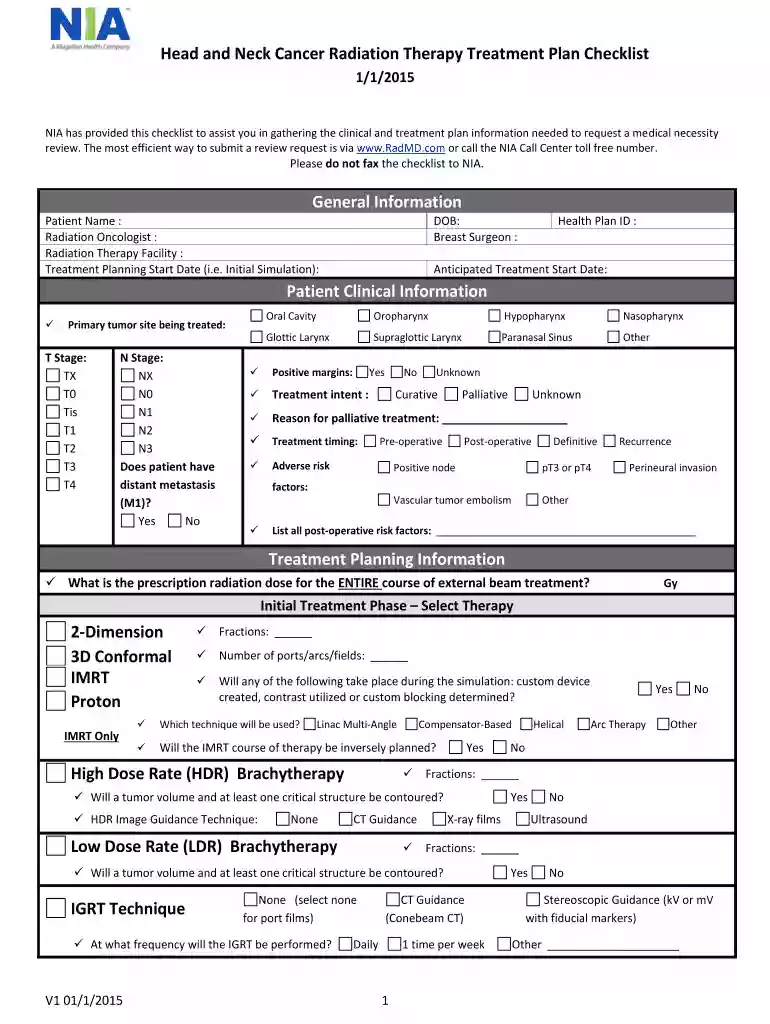
Type text, add images, blackout confidential details, add comments, highlights and more.

Draw your signature, type it, upload its image, or use your mobile device as a signature pad.

Send cancer treatment plan template via email, link, or fax. You can also download it, export it or print it out.
A chemotherapy treatment plan template outlines a protocol for administering chemotherapy to patients battling cancer. This structured document ensures that healthcare providers systematically prepare, monitor, and adjust treatment.
Each chemotherapy treatment plan should contain various critical sections to deliver effective patient care. Here are the key components:
Patient Information: This section includes the patient's name, date of birth, diagnosis, and medical history. Accurate demographic and medical data is essential for tailoring treatment plans to individual patient needs, ensuring that all healthcare providers involved are aligned.
Treatment Protocol: Clearly outline the specific chemotherapy regimen prescribed. This includes drug names, dosages, administration routes, and schedules. For example, a regimen may describe the administration of Doxorubicin and Cyclophosphamide on specific days, detailing both the intravenous infusion and the prescribed pre-medications.
Monitoring Parameters: Define the criteria for assessing treatment efficacy and patient response. This encompasses the types of lab tests required (such as complete blood counts) and the monitoring schedule for potential side effects like nausea or neutropenia.
Supportive Care Measures: Include recommendations for managing common adverse effects of chemotherapy. This can range from prescribing anti-nausea medication to suggesting lifestyle adjustments and nutritional support, which can significantly enhance patient quality of life during treatment.
Creating and implementing a chemotherapy treatment plan requires a systematic approach:
Initial Assessment: Gather comprehensive patient medical history and discuss the treatment options with them. This ensures informed consent and allows for tailored recommendations.
Plan Development: Draft the treatment plan using established protocols that fit the specific cancer type. Each chemotherapy regimen will have specific recommendations based on the latest clinical guidelines.
Patient Education: Educate the patient and their caregivers about the treatment plan, expected side effects, and when to seek further medical advice. Clear communication helps patients to feel empowered and informed.
Ongoing Evaluation: Regularly review and adjust the treatment plan based on patient response and any observed side effects. Continuous monitoring and open lines of communication between the patient and healthcare team facilitate timely adjustments.
It is critical to maintain thorough documentation to align with healthcare regulations and optimize patient outcomes. This includes:
Record Keeping: Document all treatment-related decisions and patient interactions in the patient's electronic health records (EHR). This allows for seamless communication among the care team and ensures adherence to the treatment plan.
Regulatory Compliance: Familiarize with local, state, and federal requirements regarding cancer treatment documentation. Awareness of compliance guidelines prevents legal issues and enhances patient safety.
Patients may have varying responses to chemotherapy, necessitating the need for adaptable treatment plans. Considerations include:
Patient-Specific Factors: Age, comorbidities, and socio-economic factors influence treatment tolerability. For instance, an older patient may require a dose adjustment due to diminished organ function.
Cultural Sensitivity: Be aware of the patient’s cultural beliefs and preferences that may affect their treatment decisions. Open discussions can facilitate a more personalized and respectful treatment experience.
Utilizing real-world examples can clarify the structure and content of a chemotherapy treatment plan. A template might look like this:
Example 1: A plan for a patient diagnosed with triple-negative breast cancer may include regimens like Gemcitabine and Carboplatin administered every three weeks for six cycles, including a detailed algorithm for side effect management.
Example 2: For a patient with stage IV lung cancer, the document might stipulate the use of targeted therapies like Erlotinib or Atezolizumab, with comprehensive monitoring and supportive therapy protocols.
A well-structured chemotherapy treatment plan template is fundamental for optimizing oncology care. By ensuring meticulous documentation, continual monitoring, and patient involvement, healthcare professionals enhance treatment effectiveness and patient safety. Integrating various components, such as adaptable protocols and robust monitoring systems, ensures the provision of comprehensive cancer care tailored to each patient’s unique circumstances.
We've got more versions of the cancer care plan template form. Select the right cancer care plan template version from the list and start editing it straight away!
| Versions | Form popularity | Fillable & printable |
|---|---|---|
| 2015 | 4.8 Satisfied (186 Votes) |
At DocHub, your data security is our priority. We follow HIPAA, SOC2, GDPR, and other standards, so you can work on your documents with confidence.
by Z Ahmed 2011 Cited by 80 This study was undertaken to improve the performance of a Chemotherapy Treatment Unit by increasing the throughput and reducing the average patients waitingRead more
Creating a Beacon Treatment Plan Workflow. 1. Complete the protocol request form. The template can be found on CHPS website, Research Nursing Core page.Read more


