






Definition and Meaning of Repossession Paperwork
Repossession paperwork refers to a collection of legal documents that formalize the process of reclaiming property, typically a vehicle, by a lender after the borrower has defaulted on a loan. This paperwork serves as crucial evidence of the repossession process, outlining the rights and obligations of both the repossessing party and the borrower. Common documents involved in this process include the Affidavit of Repossession, notices of default, and any related correspondence that communicates the repossession to the debtor.
Key elements of repossession paperwork include:
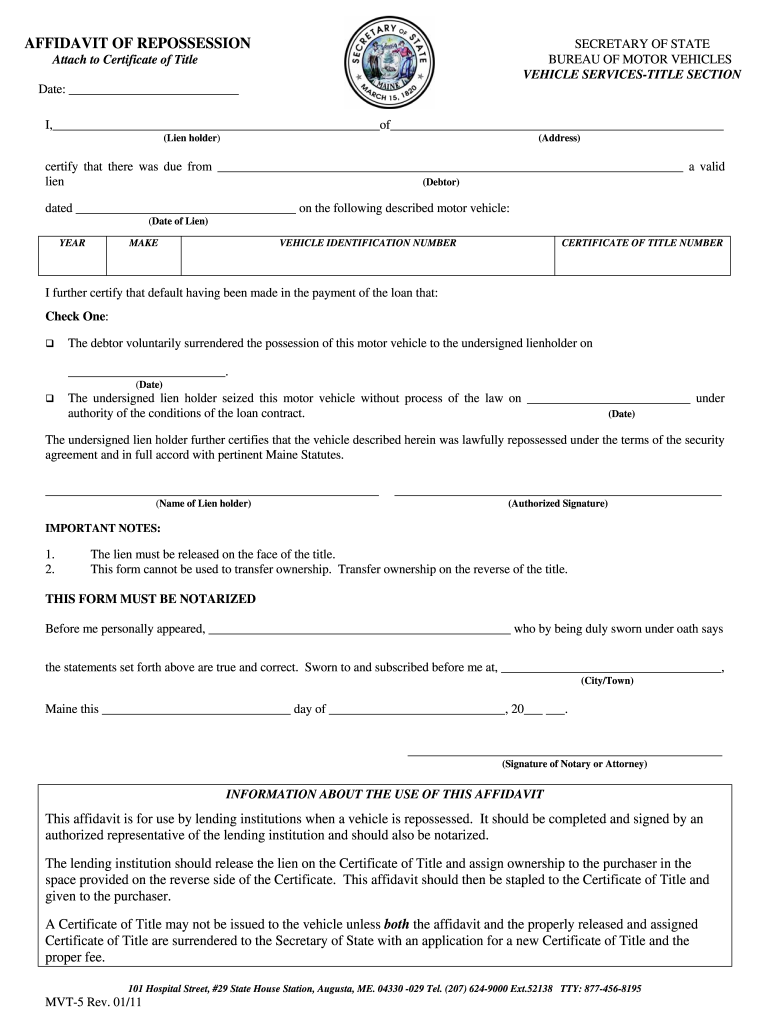
- Affidavit of Repossession: This document certifies the repossession and typically includes details about the vehicle, the debtor, and the lien holder.
- Notice of Default: A formal notice sent to the borrower that states their default on the loan and indicates that repossession may occur.
- Order of Repossession: A legal document issued by a court or agency authorizing the repossession of the vehicle.
The accuracy and completeness of these documents are essential as they may be required for legal proceedings or disputes arising from the repossession.
How to Use the Repossession Paperwork
Using repossession paperwork effectively is vital for ensuring compliance with legal standards and protecting your rights as a lien holder. The process includes several key steps:
- Preparation of Documents: Gather all necessary repossession forms, including the Affidavit of Repossession and notices. Ensure all fields are accurately filled out.
- Delivery of Notice: Serve the notice of default to the borrower before proceeding with the repossession. This step is crucial to provide the borrower with an opportunity to rectify the default.
- Performing the Repossession: Upon fulfilling legal requirements and notifying the debtor, the actual repossession of the vehicle can take place. Ensure that all actions are executed lawfully to avoid claims of wrongful repossession.
- Submittal of Paperwork: After the repossession, the completed Affidavit of Repossession must be submitted to the appropriate government agency, often the Department of Motor Vehicles (DMV), along with any other required documents for processing.
By following these steps, you ensure that the repossession is conducted lawfully and that you have the documentation necessary to support any future claims.
Steps to Complete the Repossession Paperwork
Completing repossession paperwork involves specific actions and attention to detail at each stage. Here’s a breakdown of the process:
- Identify Required Forms: Determine which forms are necessary based on your state’s requirements. This typically includes the Affidavit of Repossession and potentially a vehicle's title transfer form.
- Collect Information:
- Vehicle Details: Make sure to include the vehicle's make, model, year, and VIN (Vehicle Identification Number).
- Debtor Information: Gather the full name, address, and contact information of the borrower.
- Loan Information: Detail the loan amount, payment terms, and any outstanding balance.
- Fill Out the Affidavit: Carefully complete the affidavit with the relevant details, ensuring all information is accurate and up to date.
- Notarization: Have the affidavit notarized, as many jurisdictions require notarization to validate the document.
- Submit the Completed Paperwork: File the Affidavit of Repossession along with other documents with your state’s DMV or similar authority, as required.
Following these detailed steps helps prevent errors that could lead to delays or legal complications in the repossession process.
Who Typically Uses the Repossession Paperwork
Repossession paperwork is primarily utilized by lenders, such as banks or credit unions, that finance vehicle purchases. These institutions create and manage their repossession processes when borrowers default on their loans. Other parties involved may include:
- Repo Agencies: Third-party companies hired by lenders to carry out the repossession process. They often handle the logistics of locating and retrieving the collateral.
- Legal Professionals: Attorneys may engage in reviewing or drafting repossession paperwork to ensure compliance with state laws and address any disputes that may arise.
- Consumers: Borrowers, in some cases, may need to engage with repossession paperwork if they are contesting the repossession or seeking repayment after the collateral is sold.
Understanding who uses these documents can provide insight into the broader impacts of repossession actions and the importance of proper documentation.


Key Elements of the Repossession Paperwork
The effectiveness of repossession paperwork hinges on several critical elements that must be included:
- Affidavit of Repossession: This is the cornerstone of the repossession process, detailing the circumstances of the repossession, including the date, location, and reason for the action.
- Notice of Default: This document ensures the borrower is informed about the default status and potential consequences, which is important for legal compliance.
- Signatures: Proper signatures from authorized individuals are necessary for all documents, which may include an officer from the lending institution and a notary public.
- Compliance with State Laws: Each state has specific statutory requirements regarding the content and handling of repossession paperwork. Documenting adherence to these regulations is crucial to avoid legal issues.
Including these elements ensures that the paperwork serves its purpose effectively and upholds the legal standing of the repossession action.
Important Terms Related to Repossession Paperwork
Familiarity with key terms related to repossession is crucial for understanding the process and paperwork involved:
- Lien Holder: A person or institution that has a legal claim against the property, typically the lender, until the debt is repaid.
- Default: The failure to fulfill the obligations of a loan agreement, often defined by missed payments.
- Repossession Order: A legal document issued to authorize the repossession of a vehicle or property from the borrower.
- Affidavit: A written statement confirmed by oath or affirmation, utilized as part of the legal process in repossessions.
Understanding these terms is essential for anyone involved in the repossession process, from lenders to borrowers.