






Definition and Meaning of Electrical Inspection Forms
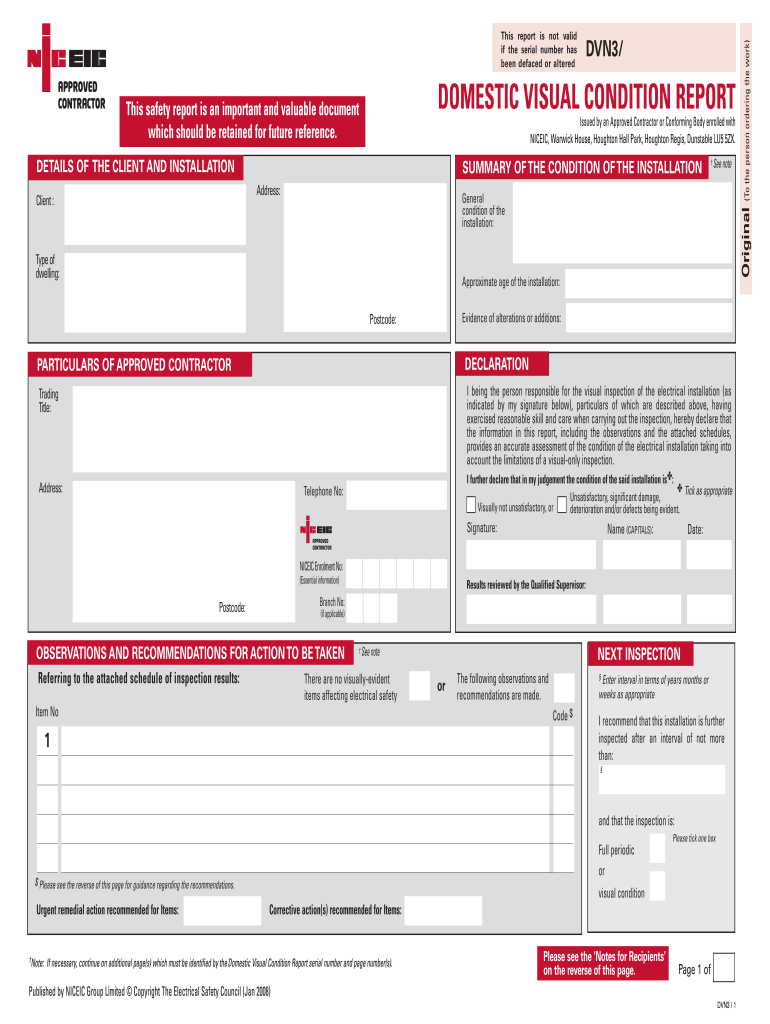
Electrical inspection forms are standardized documents used to assess and document the condition of electrical installations. These forms help ensure compliance with safety standards and regulations. The primary purpose of these forms is to facilitate a thorough examination of electrical systems, identifying any potential hazards or issues that may compromise safety. When completed correctly, electrical inspection forms provide a comprehensive record of the inspection process, findings, and any necessary remedial actions.
These forms often include essential information such as:
- Inspection Date: The specific date when the inspection was performed.
- Inspector Details: Name, qualifications, and contact information of the inspector conducting the assessment.
- Property Information: Address and description of the property being inspected.
- Findings: Detailed observations on the condition of wiring, outlets, circuit breakers, and other electrical components.
- Recommendations: Suggestions for repairs or further inspections if issues are detected.
Complying with these requirements helps ensure safe electrical practices and can also prove beneficial during insurance evaluations, property sales, or compliance audits.
How to Use Electrical Inspection Forms Effectively
Using electrical inspection forms correctly is crucial for obtaining accurate and reliable results. Follow these steps to ensure effective utilization:
-
Select the Appropriate Form: There may be multiple inspection forms tailored to specific electrical systems or compliance requirements. Identifying the right document to match your needs is essential.
-
Gather Necessary Information: Collect all relevant details such as property address, electrical system specifications, and previous inspection history to inform the current assessment.
-
Conduct a Thorough Inspection: Review all areas of the electrical installation, using the form to document any findings. Utilize checklist features to ensure no component is overlooked.
-
Complete the Form Accurately: As you complete the inspection, make sure to fill in all required fields comprehensively. Clear language and specific descriptors will aid in communicating the findings effectively.
-
Review and Sign Off: Once completed, the inspector should review the document to ensure accuracy and completeness before signing. This step verifies the credibility of the inspection.
Steps to Complete Electrical Inspection Forms
Completing electrical inspection forms involves several key steps to ensure accuracy and thoroughness:
-
Identify the Electrical Systems: Determine which systems need inspection, including service panels, circuit breakers, wiring, and grounding systems.
-
Prepare Your Tools and Equipment: Gather necessary tools such as multimeters, voltage testers, and continuity testers to assist in the inspection.
-
Perform the Inspection: Methodically check each system component. Note any issues encountered such as fraying wires, overloaded circuits, or inconsistent voltage readings.
-
Document Findings: As issues are identified, use the electrical inspection form to accurately detail each finding. Include specific locations and descriptions for clarity.
-
Complete Required Signatures: Once all information is finalized, ensure that all relevant parties, including the inspector and property owner, sign the document.
Legal Use of Electrical Inspection Forms
The legal implications of electrical inspection forms are significant in the context of safety compliance. These forms serve as crucial evidence of due diligence in maintaining safe electrical systems. Here are some critical aspects governing the legal use of these forms:
-
Compliance with Local Regulations: Electrical inspections must comply with local and state regulations governing building codes and electrical safety standards.
-
Document Retention: Maintaining a record of completed inspection forms is essential for compliance audits, insurance claims, and property sales. Forms should be securely stored for a minimum period, often dictated by state law.
-
Liability Protection: Completing and retaining these forms can help protect property owners and contractors from potential legal liability, demonstrating that necessary inspections were performed in accordance with safety regulations.
Important Terms Related to Electrical Inspection Forms
Understanding key terms associated with electrical inspection forms can enhance comprehension and ensure effective communication. Here are essential terms to know:
-
Voltage: The electrical potential difference in a system, often checked during inspections to ensure proper operation.
-
Grounding: A safety measure ensuring that excess electricity is directed into the earth, preventing electrical shocks.
-
Load: The total electrical power consumed by devices connected to an electrical circuit, critical in assessing capacity.
-
Circuit Breaker: A protective device that interrupts power flow in case of an overload or short circuit, a key component frequently evaluated during inspections.
-
Code Compliance: Adhering to established electrical codes designed to ensure safety and reliability, a pivotal focus of inspections.
Examples of Using Electrical Inspection Forms
Practical applications of electrical inspection forms are numerous, and they can significantly improve the inspection process in various scenarios:
-
Residential Inspections: Homeowners seeking to sell their properties often schedule inspections to assure prospective buyers of the system's safety. Inspectors complete forms to document the condition of the wiring and fixtures, highlighting any necessary repairs.
-
Commercial Properties: Business establishments routinely conduct inspections as part of their safety protocol. Compliance with industry regulations is critical, and completed forms serve as proof during health and safety audits.
-
New Installations: After installing a new electrical system, contractors can utilize forms to confirm that all components have been properly installed and meet local code requirements.
-
Annual Safety Checks: Many businesses schedule annual inspections to ensure ongoing safety. Utilizing inspection forms allows for historical tracking of issues and resolutions, aiding in risk management.
These practical examples demonstrate the versatility and importance of electric inspection forms in maintaining safe electrical systems.