



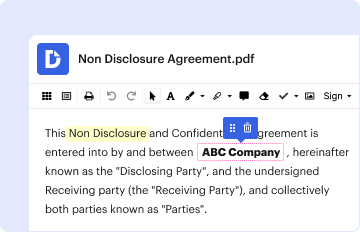
01. Edit your chore contract template online
Type text, add images, blackout confidential details, add comments, highlights and more.

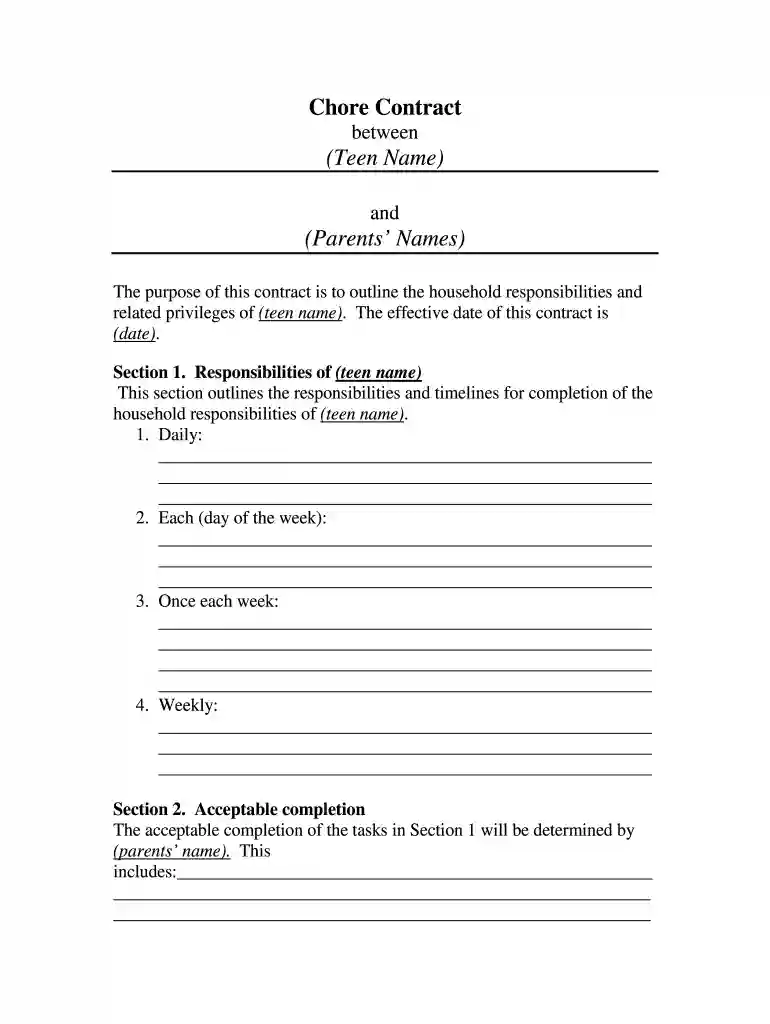
Type text, add images, blackout confidential details, add comments, highlights and more.
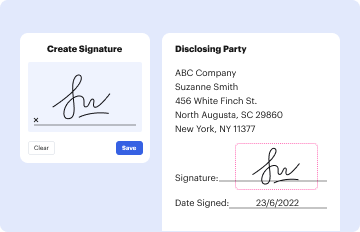
Draw your signature, type it, upload its image, or use your mobile device as a signature pad.
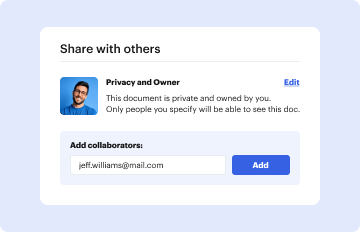
Send chore contract via email, link, or fax. You can also download it, export it or print it out.
A parent child contract for chores is a formal agreement that outlines the household responsibilities assigned to a child, the expected completion criteria for those tasks, and any associated compensation, such as allowances. This contract is beneficial for establishing expectations and fostering a sense of responsibility in children while simplifying the parental oversight process. It typically includes distinct sections for various responsibilities, criteria for evaluating task completion, and consequences for failing to meet obligations.
The success of a parent child contract hinges on its content. Essential features to include are:
Creating an effective parent child contract for chores involves thoughtful planning and clear communication. Here is a basic structure to consider:
To illustrate the practicality of a chore contract, consider common tasks that might be included:
Daily Tasks:
Weekly Tasks:
One-Time Tasks:
Define how success will be measured to ensure clarity both for parents and children. Techniques might include:
An effective parent child chore contract specifies outcomes for both positive and negative behavior:
Regular dialogue between parent and child about the contract is essential for its success. Frequent discussions can help address issues such as:
By clearly outlining chores and expectations, a parent child contract for chores can help foster responsibility, promote life skills, and encourage communication and teamwork within the family.
At DocHub, your data security is our priority. We follow HIPAA, SOC2, GDPR, and other standards, so you can work on your documents with confidence.
Contracting: A useful strategy to use with youth over 8 years of age is contracting. This strategy involves writing up a contract between you and the youth inRead more
This worksheet will help parents put together a parent- ing plan that meets the needs of their children as they parent apart. In some states, this worksheetRead more


