Definition and Purpose of a Culturagram Template
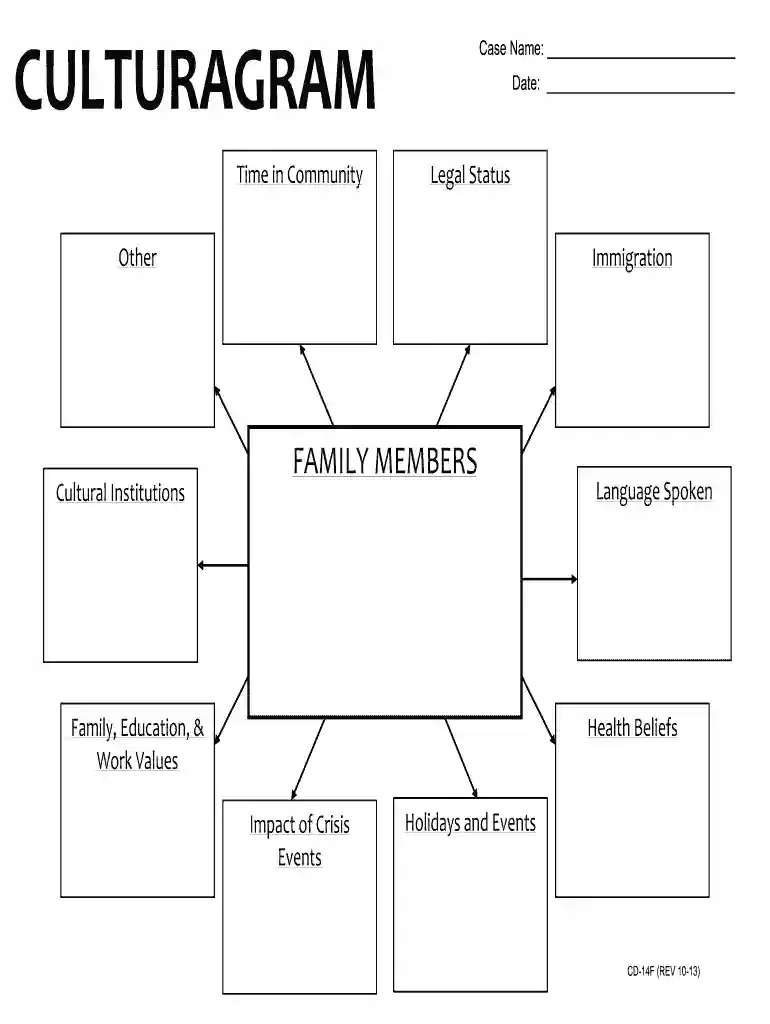
A culturagram template is a structured tool used to collect and organize critical information regarding an individual's cultural background. It aims to encompass various aspects of a person's identity, which include:
- Legal Status: Information about an individual’s immigration status or citizenship, which can significantly affect their access to resources or services.
- Family Dynamics: Insights into family composition, roles, and relationships that shape an individual’s experience and outlook.
- Language Proficiency: An understanding of the languages spoken and the associated levels of proficiency can inform communication strategies.
- Health Beliefs: Individual beliefs regarding health and wellness that may influence how one engages with healthcare systems.
- Impact of Crisis Events: Reflection on how various crises have affected an individual or community can provide context for current challenges.
The primary objective of utilizing a culturagram template is to enhance social workers’ understanding of their clients’ cultural contexts. By systematically gathering this information, practitioners can tailor interventions and engage in culturally competent practices.
How to Use the Culturagram Template Effectively
Using a culturagram template involves several key steps that ensure its effectiveness in gathering comprehensive data about an individual’s cultural background. The following steps outline how to utilize the template effectively:
- Preparation: Before initiating the use of the template, familiarize yourself with the key sections and types of information it encompasses.
- Initiate Discussion: Engage the individual in a conversation that encourages openness. Explain the purpose of the template and how it benefits their case.
- Complete Each Section: Methodically go through each section of the template, prompting individuals for their input and clarifying any areas as needed.
- Document Responses: Accurately record the responses, paying attention to nuances and details, as these can be crucial for culturally sensitive practice.
- Review and Reflect: After completing the template, review the gathered information and reflect on how it informs best practices and approaches to service delivery.
When implementing the culturagram template, maintaining a respectful and empathetic environment facilitates more accurate and meaningful responses from individuals.
Steps to Complete the Culturagram Template
Completing the culturagram template requires specific steps to ensure comprehensive documentation of an individual's cultural identity. Follow these outlined steps:
- Gather Background Information: Collect basic demographic data such as age, ethnicity, and family structure.
- Identify Cultural Contexts: Explore key cultural factors such as traditions, dietary practices, and religious beliefs that play a role in the individual's life.
- Assess Language Proficiency: Document languages spoken at home and proficiency levels. Understanding language barriers is vital for effective communication.
- Examine Health Beliefs and Practices: Inquire into the individual’s health beliefs, including any alternative practices they may endorse, which can influence treatment acceptance.
- Discuss Crisis Impact: Address any significant events that have impacted the individual or their community, which may shape their worldview and current needs.
By methodically completing each of these steps within the template, practitioners can create a rich and informative profile that contributes to a deeper understanding of the individual’s cultural identity.
Key Elements of the Culturagram Template
The culturagram template consists of several critical elements essential for providing a holistic view of an individual's cultural background. These elements include:
- Demographic Information: Name, age, ethnicity, gender, and other identifiers that help contextualize the individual within societal structures.
- Cultural Background: Insights into the family's cultural heritage, historical experiences, and community affiliations that shape identity.
- Religious and Spiritual Beliefs: Documentation of religious practices and spiritual beliefs, which can influence values and decision-making.
- Health and Healthcare Access: Information regarding health beliefs, access to healthcare services, and experiences with the healthcare system.
- Social Support Systems: Identification of social networks, including family support, friends, community organizations, and resources.
These elements collectively contribute to a nuanced understanding of an individual’s experience and can guide practitioners in their approach to care and support.
Examples of Using the Culturagram Template in Practice
Utilizing a culturagram template can provide various insights in real-world situations, enhancing the practices of social workers and other professionals. Here are a few examples:
- Client Assessment in Healthcare: A healthcare provider uses the culturagram template to assess a patient's cultural beliefs about medical practices. This enables the provider to recommend treatments that align with the patient's beliefs, thereby improving adherence to medical advice.
- Social Work Interventions: A social worker employs the template to gather extensive information about a family’s dynamics, which aids in creating culturally relevant intervention strategies tailored to their needs.
- Crisis Response: In the aftermath of a crisis, a case manager utilizes the culturagram to understand the cultural sensitivities of affected individuals, ensuring that support and resources are culturally congruent.
These examples demonstrate the versatility and effectiveness of the culturagram template in various professional settings, underlining its importance in culturally informed practice.
Who Typically Uses the Culturagram Template?
The culturagram template is primarily utilized by professionals in fields such as:
- Social Work: Social workers regularly employ the culturagram in assessments to tailor interventions based on clients’ cultural backgrounds.
- Healthcare Providers: Physicians, nurses, and allied health professionals use the template for culturally competent care that honors patients' beliefs.
- Education Professionals: Educators and school counselors leverage the template to understand students' cultural backgrounds, promoting inclusive environments.
- Therapists and Counselors: Mental health professionals utilize the culturagram to address cultural factors that affect clients’ mental health and treatment approaches.
These professionals rely on the culturagram template to enhance their understanding of client needs and provide appropriate support.