






Overview of Car Insurance Templates
A car insurance template serves as a standardized document format that outlines coverage details, terms, and conditions for motor vehicle insurance. It acts as a critical resource for both individuals and organizations in establishing the structure of a car insurance policy. By utilizing such templates, users can streamline the process of creating or reviewing insurance policies, ensuring that all essential components are covered accurately.
Key Components of a Car Insurance Template
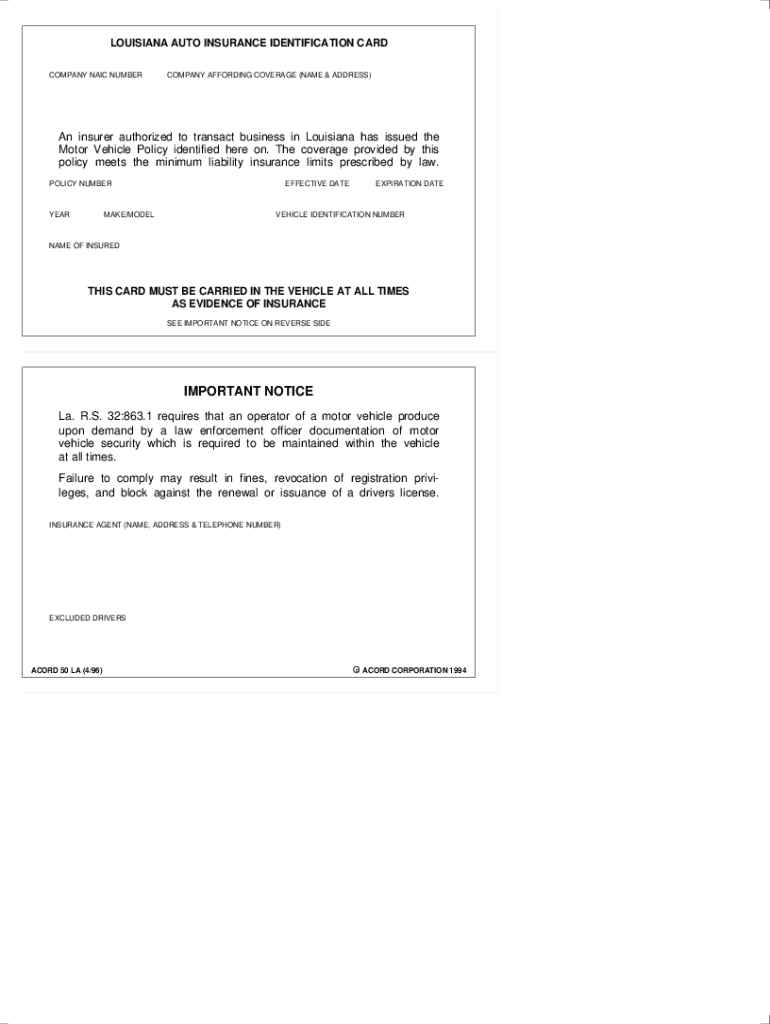
The main components of a car insurance template typically include:
- Insurer Information: This includes the insurance company’s name, address, and contact details.
- Policyholder Information: Details about the insured individual, such as their name, address, and contact information.
- Vehicle Information: Essential data regarding the insured vehicle(s), including make, model, year, and vehicle identification number (VIN).
- Coverage Types: A detailed list of the types of coverage included in the policy, such as liability, collision, comprehensive, and personal injury protection.
- Policy Limits: The maximum amounts that the insurer will pay for claims under each coverage type.
- Deductibles: The amount the policyholder must pay out-of-pocket before the insurance coverage kicks in.
- Terms and Conditions: Conditions that govern the insurance policy, including exclusions and the responsibilities of both the insurer and the insured.
- Effective Dates: The start and end dates of the coverage period.
Benefits of Using Car Insurance Templates
Using car insurance templates offers several advantages:
- Time Efficiency: Templates reduce the time needed to draft a policy from scratch, allowing for quicker preparation and updates.
- Consistency: They promote a uniform approach to policy creation, ensuring that all necessary elements are consistently included.
- Compliance: Many templates are designed to meet legal requirements, which helps users avoid common pitfalls and ensures adherence to state regulations.
- Customization: Templates can often be tailored to fit individual or organizational needs while still maintaining crucial legal language.
Types of Car Insurance Templates Available
Different car insurance templates cater to various needs, including:
- Standard Car Insurance Policy Template: A basic template for personal use.
- Business Auto Insurance Template: Designed for businesses that require coverage for company vehicles.
- Commercial Vehicle Policy Template: Tailored for commercial operations with specific coverage requirements.
These templates help users choose the appropriate one based on their particular insurance needs.
Using a Car Insurance Template Effectively
To utilize a car insurance template effectively, follow these steps:
- Select an Appropriate Template: Choose a template that aligns with your specific needs, whether for personal or business use.
- Fill in Specific Details: Provide accurate and up-to-date information in the designated sections, ensuring all vehicle and policyholder details are correct.
- Review Coverage Options: Examine the coverage types and limits to ensure they meet your needs; adjust them if necessary.
- Consult an Insurance Professional: Before formalizing the template as a binding contract, seek advice from an insurance expert to cover any legal nuances.
Importance of Customization and Compliance
While templates provide a solid foundation, customizing them is vital for personal or organizational specifications. Additionally, it's crucial to ensure that all components comply with state regulations. Each state may have different requirements regarding minimum coverages, terms, and essential inclusions.
Digital Resources for Car Insurance Templates
Numerous online platforms offer free car insurance templates that can be easily downloadable in various formats (e.g., PDF, DOC). These resources allow users to access and modify templates at their convenience, facilitating seamless document management. Some examples of platforms include Google Docs or utilities that provide editable forms.