







Definition and Purpose of the Re-Employment Letter After Termination
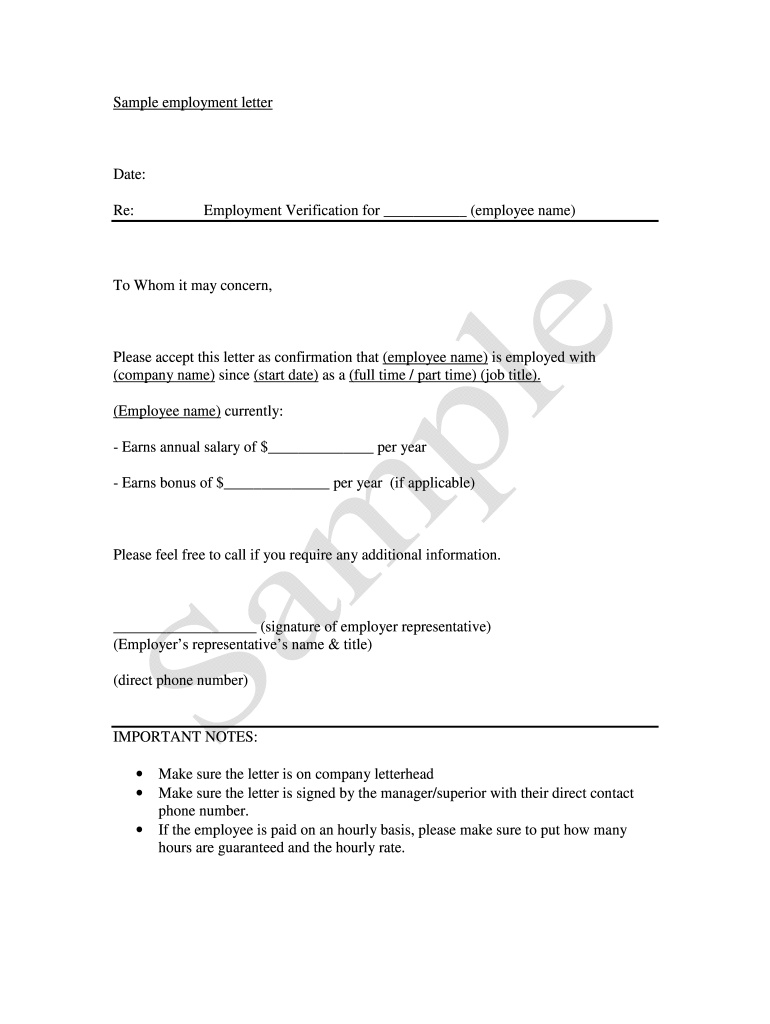
A re-employment letter after termination serves as a formal document issued by an employer to an employee who has previously left the company, confirming the terms of their reinstatement. This type of letter can be crucial for employees aiming to regain their position after termination, whether voluntary or involuntary. It outlines the specifics of their return, including job title, salary, benefits, and any changes in employment status. The letter serves both as a record for the employer and a confirmation for the employee.
Importance of the Re-Employment Letter
- Official Record: The letter provides a documented agreement between the employer and the employee, ensuring clarity on the terms of re-employment.
- Re-establishment of Employment Status: It clarifies that the employee is recognized as a valid member of the workforce once more, which is essential for benefits and tax purposes.
- Reassurance for the Employee: Receiving a formal letter can alleviate uncertainty for the returning employee, providing reassurance about their role and responsibilities.
Key Elements of the Re-Employment Letter
Crafting an effective re-employment letter requires inclusion of critical elements that effectively communicate the terms of rehire.
- Company Letterhead: The letter should be formatted on official company letterhead to lend credibility.
- Employee Information: Include the employee's full name, address, and position.
- Details of Employment: Clearly outline job title, salary, benefits, and any additional responsibilities or changes compared to previous employment.
- Effective Date: Specify the date the employee is expected to return to work.
- Contact Information: Provide contact details of the person responsible for the hiring process, enabling the employee to reach out with questions.
Steps to Complete the Re-Employment Letter After Termination
An effective re-employment letter should be structured and comprehensive. Follow these steps to ensure all relevant information is included.
- Choose the Right Format: Start on official company letterhead to establish professionalism.
- Address the Employee: Use a formal greeting that includes the employee’s name.
- State the Purpose Clearly: Clearly indicate that this letter serves as confirmation of re-employment.
- Outline Terms and Conditions: Include specifics about job title, salary, benefits, and any new expectations.
- Include an Effective Date: State when the employee is expected to return to work.
- Sign the Document: Ensure the letter is signed by an authorized manager or HR representative.
Common Scenarios for Requesting Re-Employment
Various circumstances can lead to an employee seeking to return to their previous employer. Understanding these scenarios can provide context for when a re-employment letter is appropriate.
- Layoffs: Employees often seek re-employment after temporary layoffs, especially when business conditions improve.
- Voluntary Resignation: An employee may decide to return after resigning for personal reasons, such as relocation or health issues.
- Performance Improvement: In some cases, an employee may have left due to performance issues but seeks re-employment after addressing those concerns.
- Family Needs: Employees might leave due to familial obligations and wish to return when their situation stabilizes.
Legal Considerations for Re-Employment Letters
Understanding the legalities surrounding re-employment letters is essential for both employees and employers.
- Employment At Will: Most states adhere to employment-at-will principles, meaning that employers can terminate employees at any time. However, a re-employment letter can establish terms that somewhat alter this dynamic.
- Anti-Discrimination Laws: Employers must ensure that their rehiring practices comply with federal and state anti-discrimination laws, providing fair opportunities to all former employees.
- Unemployment Benefits: Returning employees may have to navigate unemployment benefits, depending on their previous termination circumstances. The re-employment letter should clarify the status of any such benefits.
Examples of Re-Employment Letter Scenarios
Providing clear examples can illustrate how re-employment letters function in real-world contexts.
- Reinstatement After Layoff: A company sends a letter to an employee who was laid off during a downturn, welcoming them back and confirming their previous job title and salary.
- Return After Voluntary Resignation: An employee who resigned to pursue further education later requests to return, receiving a letter detailing their new position and any adjusted salary.
- Rehiring Based on Improved Performance: An employee who was terminated for underperformance applies again after completing relevant training and receives a letter outlining their new role and added responsibilities compared to their prior job.
By understanding the fundamental components and scenarios surrounding a re-employment letter after termination, both employers and employees can navigate the re-hiring process with clarity and professionalism.




