What my family should know 2026

Get Form
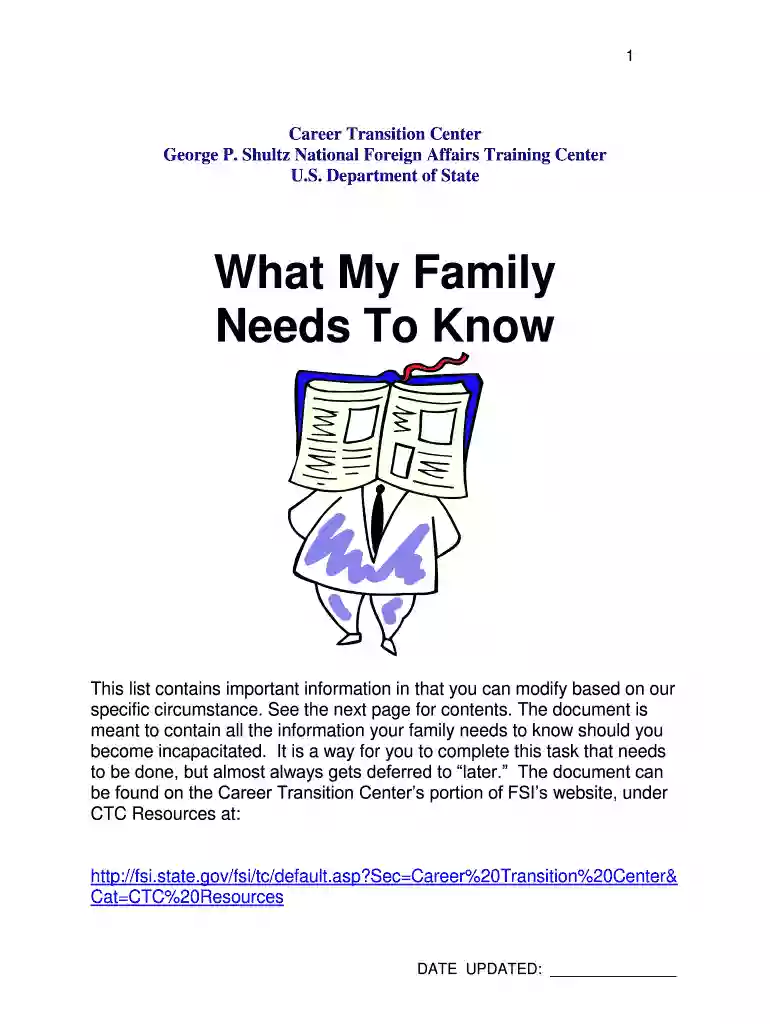
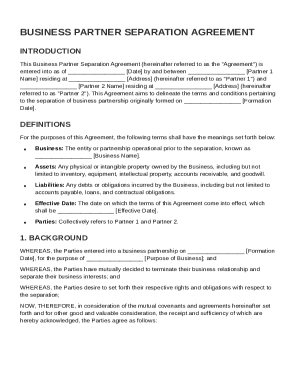
what my family should know word document Preview on Page 1

Here's how it works

01. Edit your what my family should know word document online
Type text, add images, blackout confidential details, add comments, highlights and more.

02. Sign it in a few clicks
Draw your signature, type it, upload its image, or use your mobile device as a signature pad.

03. Share your form with others
Send what my family should know in excel format via email, link, or fax. You can also download it, export it or print it out.

Definition & Meaning

The "what my family should know" document serves as an essential resource for organizing critical information concerning an individual's personal, legal, financial, and medical matters. This document is structured to ensure clarity and accessibility for family members, particularly in scenarios where the individual may be incapacitated or has passed away. By compiling vital details, it equips relatives with the knowledge they require to make informed decisions quickly.

The information contained in this document can cover various aspects, including but not limited to medical records, financial accounts, insurance policies, and final wishes. Its purpose is to minimize confusion and ensure that loved ones have access to what they need without having to search through multiple sources.

Key Elements of the Document

  • Personal Information: This section includes the individual’s full name, contact details, Social Security number, and birthdate.
  • Family Contact: A list of key family members or beneficiaries and their contact information ensures that rapid communication is possible during an emergency.
  • Financial Accounts: Essential bank and investment account information, including account numbers and institutions, is crucial for managing finances.
  • Legal Documents: Summarizing the location and type of legal documents (wills, trusts, power of attorney) helps family members locate and understand legal obligations.
  • Medical information: Critical health histories, allergies, and medical contacts assist family members in making healthcare decisions when necessary.

Required Documents for Inclusion

To create a comprehensive "what my family should know" document, certain records must be compiled. These documents provide crucial context and facilitate effective communication among family members.

Personal and Family Records

  • Birth Certificates: For identity verification and legal processes.
  • Marriage License: Important for legal agreements and recognition.
  • Social Security Cards: Vital for accessing services and benefits.

Financial Records

  • Bank Statements: Recent statements give insight into financial status and account balances.
  • Tax Returns: Previous year’s returns may be helpful for credit matters or tax issues.
  • Insurance Policies: Information about life, health, car, and home insurance, including policy numbers and coverage details.

Legal Documents

  • Wills and Trusts: Clear directives regarding asset distribution.
  • Powers of Attorney: Designates who can make decisions on behalf of the individual if they are unable to do so.

Steps to Create the Document

Developing a "what my family should know" document requires thorough planning and organization. Following a structured approach can simplify the process.

Step 1: Gather Personal Information

Begin by collecting all necessary personal details:

  1. Identify vital statistics: Name, Social Security number, current address, and emergency contacts.
  2. Compile family information: Include key contacts who will need access to this information.

Step 2: Organize Financial Information

  1. List all bank accounts: Include account types, account numbers, and bank names.
  2. Document assets: Clearly state investments, real estate properties, and any other significant assets.

Step 3: Compile Legal Documentation

  1. Locate all critical legal forms: Gather wills, trusts, and powers of attorney.
  2. Summarize locations: Provide information on where these documents can be found.

Step 4: Review and Update Regularly

  1. Annual Review: Schedule a time each year to revisit the document and make necessary updates.
  2. Check changes in family status: Reflect on marriages, births, or other significant life events that necessitate changes in the document.

Importance of Communication with Family

Communicating the existence and purpose of the "what my family should know" document to family members is paramount. Understanding this document will significantly ease the burden on relatives during emergencies.

Encouraging Open Discussion

  • Family Meetings: Hold discussions to explain the importance of the document.
  • Provide Access: Ensure family members know where to find the document and how to utilize it effectively.

Handling Sensitive Information

  • Discuss Privacy Concerns: It is crucial to talk about sensitive content in the document to maintain privacy.
  • Offer Reassurance: Clearly communicate that this document is meant to support the family during challenging times.

Legal Considerations for the Document

Understanding various legal aspects related to the document provides context for its importance. It serves to protect an individual's wishes and advocates for family interests.

Compliance with State Laws

  • Wills and Estates: Laws governing how wills are executed differ by state; familiarize the family with local regulations.
  • Powers of Attorney: Different states may have specific requirements for establishing legal powers; ensure compliance.

Security Concerns

  • Document Safety: Utilize secure storage options, such as encrypted files or safe deposit boxes, to protect sensitive information.
  • Access Control: Consider who will have access to this document and ensure that it aligns with your privacy preferences.

This structured outline not only serves the purpose of educating families but also acts as a proactive measure to ensure that essential information is systematically organized and readily available when needed.

be ready to get more

Complete this form in 5 minutes or less

Get form

Got questions?

We have answers to the most popular questions from our customers. If you can't find an answer to your question, please contact us.
Contact us

A lot of software solutions are available out there for document modifying and signing. DocHub is one of the most widely used online solutions that comply with all security and compliance requirements and guarantees your electronically signed paperwork is legally enforceable. All you need to give it a try is to create an account, upload your what my family needs to know a free government pdf, fill out the required details, and click Sign. Create your eSignature by typing, drawing it, uploading its picture to your form, or scanning a unique QR code.

You can quickly complete, edit, and even eSign your what my family should know utilizing DocHub. Create a new account and begin your free trial. After that, you can add the document with the form and easily make all the necessary edits. No need to print on paper or use a third-party application to sign it, as you can place your electronic signature on your document faster through DocHub.

We have stepfamilies; single-parent families; families headed by two unmarried partners, either of the opposite sex or the same sex; households that include one or more family members from a generation; adoptive families; foster families; and families where children are raised by their grandparents or other relatives.
Family: A family is a group of two or more persons related by birth, marriage, or adoption who live together; all such related persons are considered as members of one family.
Whats a What My Family Needs to Know Organizer? Bank account information. Benefit information and beneficiaries. Personal information. Insurance records. Digital accounts and passwords. Final wishes. Emergency contacts. Last will and testament.

Security and compliance

At DocHub, your data security is our priority. We follow HIPAA, SOC2, GDPR, and other standards, so you can work on your documents with confidence.
Learn more
ccpa2
pci-dss
gdpr-compliance
hipaa
soc-compliance
be ready to get more

Complete this form in 5 minutes or less

Get form

People also ask

Six traits of strong families Strong families express appreciation and affection. Strong families have a strong commitment to each other. Strong families spend enjoyable time together. Strong families manage stress and crisis effectively. Strong families have a sense of spiritual well-being.
These bonds are important because family helps us get through the most disastrous times and the best times. Family is important because they can offer support and security coupled with unconditional love; they will always look to see and bring out the best in you even if you cannot see it for yourself.
Some of the main features of family are: (i) universality (ii) emotional basis (iii) limited size (iv) formative influence (v) nuclear position (vi) responsibility of the members (vii) social regulation and (viii) permanent and temporary.
family, a group of persons united by the ties of marriage, blood, or adoption, constituting a single household and interacting with each other in their respective social positions, usually those of spouses, parents, children, and siblings.
Hairline shape, hair color, and freckles are examples of family traits. A family tendency is a genetic trait.

what my family should know book