Understanding the Contractor Work Authorization Form
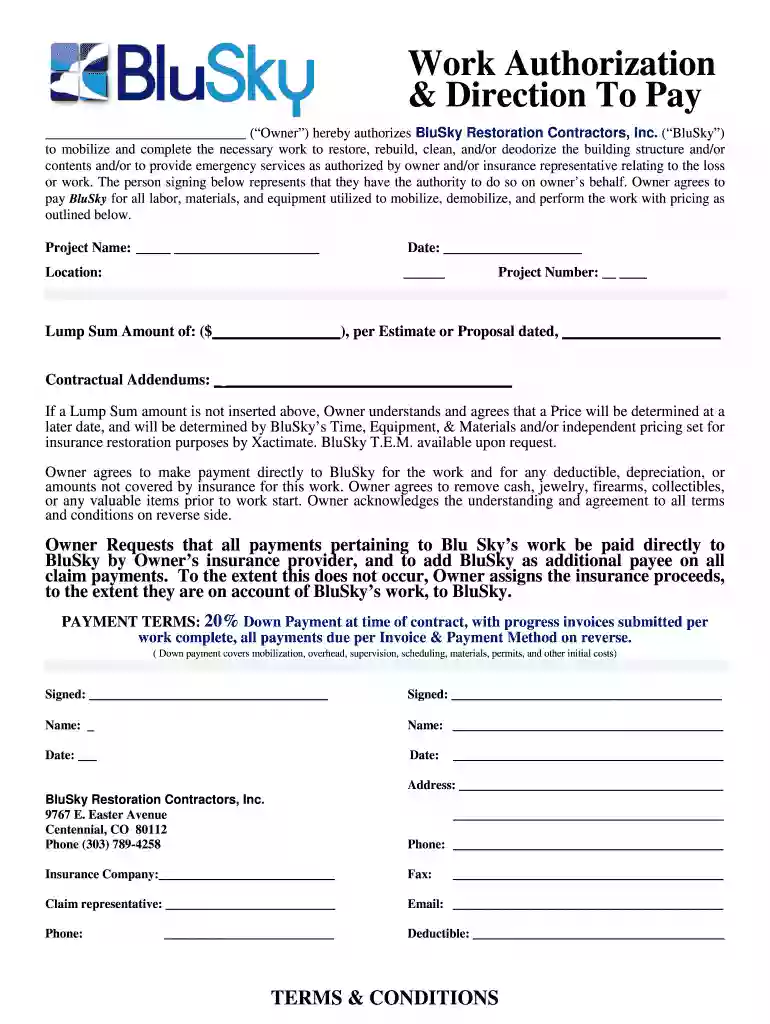
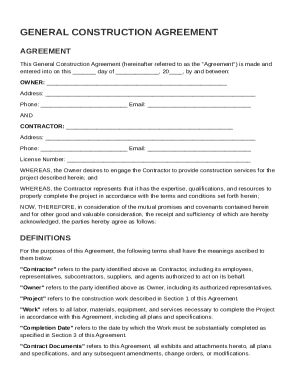
The contractor work authorization form is a crucial document that formally authorizes a contractor to perform specific tasks or services for a client, typically related to construction or repair projects. This agreement protects both parties by establishing clear expectations regarding the scope of work, payment terms, and legal obligations. Below are important elements to consider when dealing with this form.
Key Components of the Contractor Work Authorization Form
The contractor work authorization form should include various essential components to ensure clarity and enforceability. Key elements typically encompass:
- Parties Involved: Clearly state the names and addresses of both the owner (client) and the contractor.
- Scope of Work: Define in detail what tasks or services the contractor is authorized to carry out. This section might specify the exact nature of the work, including any related responsibilities.
- Payment Terms: Outline the financial details, including:
- Total cost of the project
- Down payment requirements
- Invoicing process
- Payment deadlines
- Timeline: Specify the start and completion dates of the project to manage expectations.
- Warranties and Liabilities: Include terms regarding warranties on work performed and liability for damages or issues arising from the work.
- Dispute Resolution: Provide a framework for addressing any disagreements about the work agreement.
- Signatures: Include a signature line for both the owner and contractor to validate the agreement formally.
How to Complete the Contractor Work Authorization Form
Properly completing the contractor work authorization form involves several steps that ensure all necessary information is accurately captured. Here’s how one might approach filling out this document:
- Gather Information: Collect all relevant data about both parties, including references to contracts or previous agreements as necessary.
- Define Work Scope: Consult with the contractor to clarify the specific services to be performed. Detailed descriptions will help prevent future misunderstandings.
- Establish Payment Terms: Engage in a discussion with the contractor concerning cost, payment schedules, and methods of payment.
- Review Legal Obligations: Understand any regulations or local laws that may affect the work or the authorization process.
- Draft and Review: Prepare the form using clear and concise language. Review it with all parties involved to confirm accuracy and agree on terms.
- Obtain Signatures: Once reviewed and agreed upon, both parties should sign the document, which validates the authorization.
Examples of Usage for the Contractor Work Authorization Form
The use of the contractor work authorization form can vary across different scenarios. Here are some common examples:
- Home Renovations: A homeowner may use the form to authorize a contractor for a major home renovation, detailing every aspect from design changes to material usage.
- Commercial Construction: A business owner could and may require contractors to fill out authorization forms for large-scale projects to ensure compliance with local laws and to maintain project timelines.
- Emergency Repairs: When urgent repair work is needed, such as plumbing issues or roof leaks, an authorization form can expedite the process, allowing quick action while still clarifying obligations.
Legal Considerations and Compliance
Understanding the legal context surrounding contractor work authorization forms is essential. Considerations include:
- State Regulations: Each state might have unique requirements for contractor agreements, including specific clauses or language that must be included. Familiarity with local laws can prevent legal complications.
- Licensing Requirements: Ensure that any contractors are properly licensed and insured, protecting the owner from liability in case of an accident.
- Enforceability: A well-drafted contractor authorization form can be a powerful tool in enforcing payment and project expectations in case of disputes.
Variants of the Contractor Work Authorization Form
There are several variations of the contractor authorization form, tailored to different types of work or specific industries. Some examples include:
- Restoration Work Authorization Form: Often used in the context of restoration contractors, this variant might detail specific processes for disaster restoration projects.
- Construction Work Authorization Form: Used for broader construction projects, this form addresses numerous contractors and subs, emphasizing collaborative agreements.
- Field Work Authorization Form: Typically employed for projects that require on-site work, this form may particularly focus on safety protocols and site-specific conditions.
Understanding the intricacies of the contractor work authorization form is vital for effective project management and compliance with legal standards in the United States.