







Definition & Meaning of the Safe Count Sheet
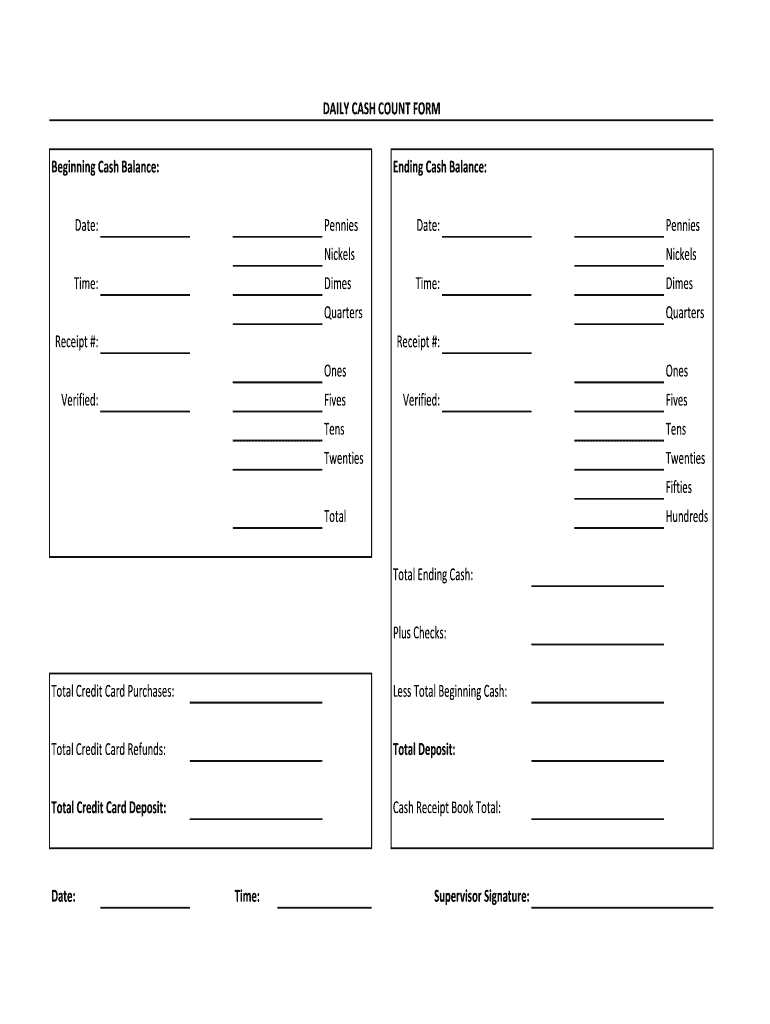
A safe count sheet is a crucial financial tool used primarily for tracking cash balances and verifying the integrity of cash handling processes within businesses. It serves as a standardized format to record cash on hand, including various denominations of bills and coins, along with checks or electronic transactions. Employees or cash handlers utilize this document to ensure accountability and transparency in financial transactions.
The safe count sheet is designed to capture a detailed account of the cash that has been received and dispensed throughout a defined accounting period, typically on a daily basis. It may also include spaces for additional comments or discrepancies. Essentially, this form helps businesses maintain accurate records of financial assets, aiding in the prevention of theft or mismanagement of funds.
Key Components of a Safe Count Sheet
- Cash Denominations: Sections typically list different bill and coin denominations for entry.
- Total Cash Calculation: A summary row to calculate total cash on hand.
- Verification Section: Space for signatures from both the individual performing the count and a supervisor for verification purposes.
- Date and Time of Count: Important for record-keeping and audit trails.
This structure ensures that counting cash is conducted systematically, facilitating effective management practices and compliance within organizations.
How to Use the Safe Count Sheet
Using a safe count sheet involves a straightforward process that helps ensure accurate cash handling. The following steps outline how to effectively utilize this form:
- Preparation: Gather necessary materials, including the safe count sheet, a calculator, and cash boxes or drawers you need to count.
- Count the Cash: Begin counting all cash denominations present, recording each type in its respective section on the safe count sheet. Include any checks or credit card receipts as required by your business process.
- Calculate Totals: After all entries are made, add up totals for each denomination to compute the grand total. This helps verify that the cash on hand matches expected amounts per previous records.
- Signatures: Have the counting individual and a supervisor or secondary party sign off on the sheet. This step is vital for accountability and may be required for internal policies or audits.
- Storage: Retain the completed safe count sheet for record-keeping purposes, ensuring it is securely filed within financial records.
Best Practices to Enhance Accuracy
- Count in a quiet environment to minimize errors.
- Use multiple parties in cash counting to ensure transparency.
- Regularly train staff on cash handling procedures and the importance of using the safe count sheet correctly.
By following these detailed steps, businesses can maintain rigorous cash management practices, contributing to operational integrity and financial accountability.
Key Elements of the Safe Count Sheet
The safe count sheet contains several key elements that reinforce its effectiveness as a cash management tool:
- Detailed Fields for Cash Recording: Specific lines for entering different charge types, including cash, checks, and credit transactions.
- End-of-Day Balance Summary: The form often includes a section to summarize the ending balance, facilitating easy review and comparison against the starting balance.
- Additional Notes Section: Space for any observations or discrepancies noted during the cash counting, which can help in future audits and analyses.
- Security Features: Document security features are critical, such as version control, to avoid any potential tampering after the form has been filled out.
These elements enhance the utility of the safe count sheet, providing a comprehensive document that ensures clear communication of financial data and accountability for cash handlers.
Legal Use of the Safe Count Sheet
The safe count sheet may have legal implications regarding accountability and compliance in cash handling environments. Here are some crucial considerations:
- Record-Keeping Compliance: Many businesses, especially those that handle substantial amounts of cash, are legally required to maintain accurate and reliable financial records. The safe count sheet serves as an official document for this purpose.
- Audit Compliance: In the event of an audit, having correctly filled and signed safe count sheets can demonstrate adherence to internal controls and regulatory requirements.
- Fraud Prevention: By documenting cash counts and having multiple employees involved in the process, businesses can protect themselves against potential fraud or theft.
Recommended Practices to Ensure Legal Compliance
- Regularly review and update cash handling policies to align with current laws and regulations.
- Train employees on the importance of compliance and proper documentation.
- Securely store completed safe count sheets, making them accessible for audits and reviews as needed.
Maintaining these practices helps businesses not only comply with legal standards but also fosters a culture of transparency and accountability in cash management.
Steps to Complete the Safe Count Sheet
Completing a safe count sheet involves several systematic steps, ensuring accuracy and thoroughness in cash handling. Below is a breakdown:
- Document the Date and Time: Clearly mark the date and time of the cash count at the top of the sheet.
- Record Opening Cash Balance: List the expected cash on hand, drawing from records of the previous day's closing balance.
- Begin Counting Cash: Itemize each denomination of cash and enter the respective amounts into the designated fields of the sheet. Avoid mixing coins and bills.
- Include Other Forms of Cash: If applicable, document other forms of cash received, such as checks or electronic transactions, ensuring all incoming revenue is accounted for.
- Calculate Total Cash: After inputting all figures, total the amounts for verification against your records.
- Verification Signatures: Conclude the document by obtaining necessary signatures, confirming that the count has been reviewed and verified for accuracy.
- File the Document: Store the completed safe count sheet in a secure location per your organization’s record management policies.
Common Mistakes to Avoid
- Failing to double-check calculations, which may lead to discrepancies.
- Not obtaining signatures, jeopardizing the record's integrity.
- Losing track of the cash during counting, which can complicate verification of totals.
By adhering to these steps, businesses can effectively manage their cash flow and enhance the reliability of their financial records.




