






How to Use the Form Online
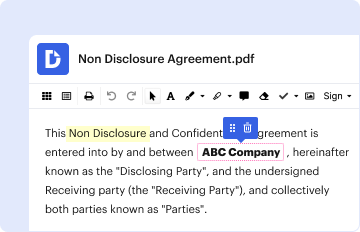
Utilizing an online form involves understanding its purpose and functionality. Online forms are digital versions of paper documents that facilitate data collection, streamline processes, and ensure accuracy. They can be used for various purposes, such as applications, registrations, surveys, or feedback collection. Understanding how to navigate these forms effectively is essential for efficient completion.
Key Features of Online Forms
- Interactive Fields: These include text boxes, checkboxes, and dropdown menus designed to guide users through the required information.
- Real-Time Error Checks: Automated validations ensure data is entered in the correct format.
- Submission Confirmation: Users receive instant feedback after submitting a form, often including a confirmation message or email.
Practical Step-by-Step Process
- Access the Form: Locate the form on the official site or relevant platform.
- Fill in Required Fields: Complete all necessary information, adhering to formats specified (e.g., date formats, numeric fields).
- Review for Accuracy: Confirm that all entries are correct and complete to prevent errors.
- Submit the Form: Send the completed form electronically and check for confirmation of submission.
How to Obtain the Form Online
Easily acquiring an online form requires knowing where and how to search. Often, forms are hosted on official websites related to the purpose or authority issuing them.
Finding and Accessing the Form
- Government or Organization Websites: Start by searching the website of the relevant organization or institution.
- Direct Links and Downloads: Access forms through provided links, allowing for either direct online completion or download for offline use.
- Third-Party Platforms: Some forms might be available on third-party services specializing in document management.
Steps for Access
- Search Online: Use specific keywords relevant to the form's purpose in your preferred search engine.
- Navigate Link for Form: Follow links on the official page to the form.
- Prepare for Form Completion: Gather necessary information and documents prior to starting the form to ensure a smooth process.
Steps to Complete the Form Online
Completing an online form follows a logical sequence of actions, ensuring users provide all required information accurately.
Detailed Completion Guide
- Initiation: Begin by clicking the link to the form, opening it in your web browser.
- Providing Personal Information: Fill in basic personal details such as name, address, and contact information.
- Inserting Additional Data: Add any specific details requested, such as identification numbers or employment history.
- Verification: Double-check all entries for accuracy and completeness to avoid delays or rejections.
- Submission: Electronically submit the form after thorough review, and confirm receipt of a submission confirmation.
Helpful Tips
- Have Documentation Prepared: Keeping necessary documents easily accessible can expedite the process.
- Use Secure Connections: Form submission should occur over secure, encrypted connections to protect sensitive information.
Why Should You Use the Form Online
Online forms offer numerous advantages over traditional paper-based forms, improving accessibility and efficiency.
Advantages of Online Forms
- Accessibility: Forms are available anytime/from anywhere with an internet connection.
- Efficiency: They reduce processing time by automating data collection and validation.
- Environmentally Friendly: Eliminates paper use, contributing positively to sustainability efforts.
By choosing online forms, individuals and organizations benefit from faster processing, ease of access, and improved data accuracy.
Who Typically Uses the Form Online
Identifying typical users of online forms helps understand their significance in different contexts.

Common User Categories
- Individuals: For personal applications, registrations, or feedback.
- Businesses: For transactions, data collection, and customer interactions.
- Educational Institutions: For admissions, surveys, and feedback mechanisms.
- Government Agencies: For official applications and citizen services.
Key Elements of the Form Online
Understanding key components ensures forms are completed correctly and efficiently.
Essential Components
- User Information: Basic demographic or identifying details.
- Field-Specific Data: Information pertinent to the form's purpose, like financial details or health information.
- Instructions and Guidelines: Provided to assist the user in completing the form accurately.
- Security Features: Ensuring data is safely transmitted and stored.
Required Documents
Completing an online form often necessitates additional documentation to support the provided information.
Supporting Document Examples
- Identification: Passports, driver’s licenses, or national IDs.
- Financial Records: Pay stubs, tax returns, or bank statements.
- Proof of Eligibility: Certificates, letters, or proof of status.
Document Submission Process
- Prepare Digital Copies: Ensure all documents are clear and readable.
- Upload During Form Completion: Follow prompts within the form to attach documents securely.
- Verify Attachment: Confirm that all required documents are uploaded before submission.
Legal Use of the Form Online
Online forms must comply with applicable laws to ensure legality and integrity in transactions.
Compliance and Legal Assurance
- Data Protection: Ensure forms comply with data protection laws (such as GDPR or HIPAA).
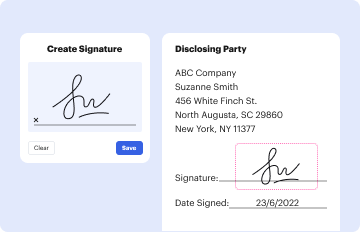
- Signature Legality: Digital signatures should meet legal standards set by acts such as the ESIGN Act.
- Consent and Disclosure Agreements: Clear terms and conditions must be presented to all users for legal consent.
Understanding these legal factors helps mitigate risks and maintain compliance while using online forms.


