






Definition and Meaning
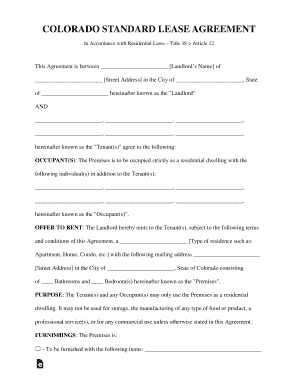
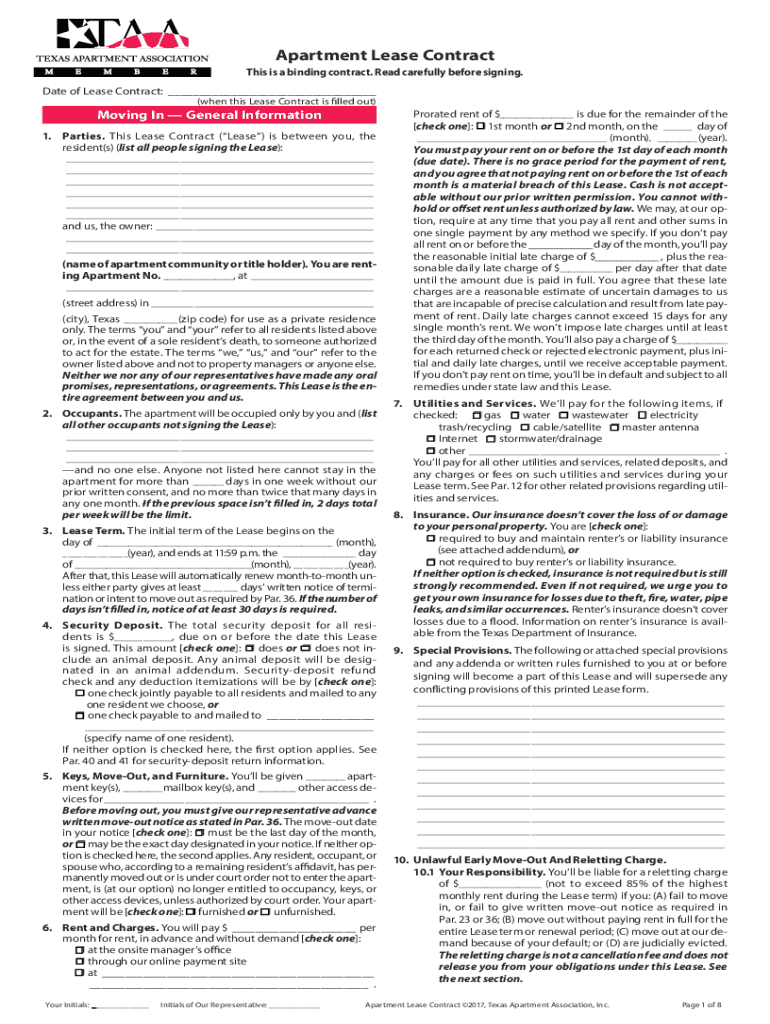
An Apartment Lease Contract is a legally binding agreement between a landlord and a tenant outlining the terms and conditions for renting a residential property. This document serves as a formal contract specifying rights, responsibilities, and expectations on both sides. It covers payment terms, property maintenance, and other relevant conditions. Understanding the intricacies of the lease contract is crucial as it legally protects both parties in case of disputes or misunderstandings.
Key Components
- Parties Involved: Clearly outlines who the lease is between, typically including the landlord or property manager and the tenant(s).
- Term of Lease: Specifies the duration for which the lease is valid, whether it's a fixed-term lease (e.g., six months, one year) or a month-to-month rental.
- Rent Details: Includes the amount of rent due, the due date, and acceptable payment methods.
- Security Deposit: Details about the deposit amount, conditions for its return, and any stipulations for deductions.
- Property Use: Specifies allowed uses of the property and any restrictions (e.g., subleasing restrictions, pet policies).
Steps to Complete the Apartment Lease Contract
Completing an Apartment Lease Contract follows a structured process to ensure all necessary details are addressed. Follow the steps below for a comprehensive understanding.
-
Review the Lease Terms:
- Carefully read through the entire lease to understand your commitments and rights. Pay special attention to clauses related to rent, maintenance, and termination.
-
Identify Clauses and Conditions:
- Highlight conditions that may require clarification, such as pet policies and guest limitations. Discuss these with the landlord before signing.
-
Fill Required Sections:
- Complete all tenant-related sections with accurate personal details including names and contact information.
-
Signatures:
- Ensure all required parties sign the contract. This typically includes all adult occupants and the landlord or property representative.
-
Keep Copies:
- Once signed, make copies for all parties. Retain the original for your records.
Common Considerations
- Modifications: If you require changes to the contract, these should be clearly documented and agreed upon by both parties before signing.
- Witness Requirement: Some contracts may require a witness signature, although not universally mandatory.
Key Elements of the Apartment Lease Contract
Understanding the core elements of an Apartment Lease Contract helps ensure all parties are aligned on expectations. Here are the most crucial elements to include:
Rent and Fees
- Rent Amount and Due Dates: Clear details about monthly rent payments and any grace periods for late payments.
- Additional Fees: Include utilities, parking, or maintenance fees if applicable.
Maintenance and Repairs
- Responsibilities: Outline tenant and landlord responsibilities regarding property maintenance and repairs.
- Procedure for Repairs: How and when to report issues that require landlord attention.
Termination Conditions
- Lease Break Conditions: Specify conditions for early termination by either party.
- Notice Requirements: Duration of notice required before vacating.
Legal Use of the Apartment Lease Contract
The Apartment Lease Contract serves as a legal, enforceable tool for both landlords and tenants to protect their mutual interests. It ensures all parties have a written record of all terms agreed upon initially and provides a legal recourse in case the contract terms are breached.
Legal Considerations
- Enforceability: Ensures that the contract meets state and local housing laws, making it enforceable in a court of law.
- Dispute Resolution: Typically includes clauses for handling disputes, which may involve mediation before litigation.
Why Should You Use an Apartment Lease Contract
Housing arrangements can often be complex and fraught with potential issues. Utilizing a formal Apartment Lease Contract provides clear guidelines and protection for all parties involved. It establishes clear expectations and fosters a mutually respectful landlord-tenant relationship.
Benefits
- Legal Protection: Safeguards both landlord and tenant interests.
- Clarifies Obligations: Provides clear terms for property use, payment, and maintenance responsibilities.
- Dispute Prevention: Minimizes conflicts by pre-establishing expectations.
Important Terms Related to Apartment Lease Contract
Understanding the terminology often used in lease contracts can enhance comprehension and facilitate smoother communication between landlords and tenants. Here are some essential terms:
Critical Terms
- Leasehold Interest: The tenant's rights to occupy and use the property under lease terms.
- Rent Escalation Clause: Specifies potential rent increase scenarios.
- Security Deposit: A refundable deposit held by the landlord as security against damages.
Who Typically Uses an Apartment Lease Contract
Apartment Lease Contracts are widely used across various demographics and types of housing arrangements in the United States. These documents are fundamental in facilitating clear and legally compliant rental arrangements.
Typical Users
- Individuals: Renters looking for temporary or permanent housing arrangements.
- Property Management Companies: Facilitating lease agreements on behalf of property owners.
- Private Landlords: Handling leasing agreements directly with tenants.
State-Specific Rules for the Apartment Lease Contract
While lease contracts generally share common elements, individual states in the U.S. have specific laws governing rental agreements. Understanding these can help prevent legal issues and ensure compliance.
State Variations
- Security Deposit Limits: Some states regulate the maximum amount a landlord can charge for a security deposit.
- Notice Periods for Termination: Varying requirements for adequate notice when terminating a lease.
Including state-specific research in your lease preparation will ensure all agreements comply with local regulations and protect both parties effectively.