Definition and Purpose of the Medical Insurance Claim Form
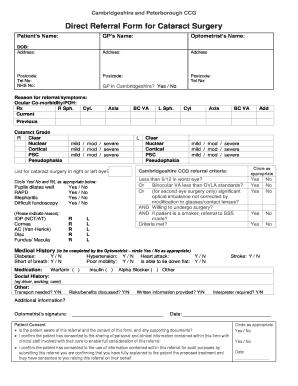
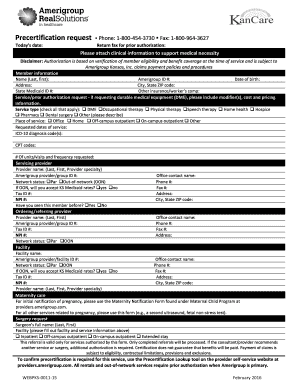
A medical insurance claim form is a standardized document used by individuals to request reimbursement or direct payment from their health insurance provider for covered medical services. These forms are essential for communicating with insurance companies to ensure costs are appropriately processed and settled according to the policyholder's plan. They typically include sections to detail patient information, the type of service received, associated healthcare providers, and the costs involved. Properly completing this form is critical to avoid claim denials or processing delays.
Examples of Common Use Cases
- Routine Medical Visits: For services like check-ups or vaccinations, an insurance claim form can be used to reimburse the cost if direct billing by healthcare providers to insurance isn't done.
- Specialist Consultations: Patients visiting specialists often pay upfront and reclaim costs through a medical insurance claim form.
- Surgical Procedures: For surgeries, this form is vital to handle the significant costs that might not be directly billed to insurance.
How to Use the Medical Insurance Claim Form
The process for using a medical insurance claim form involves several key steps to ensure accuracy and expedite claims processing.
-
Gather Necessary Information:
- Include personal details: This typically involves the patient's name, date of birth, insurance policy number, and contact information.
- Healthcare Provider Details: List the name, contact, and identifying numbers of the healthcare providers involved.
-
Attach Medical Bills and Receipts:
- Ensure original bills and receipts from medical facilities are included. They serve as proof of the services claimed and validate the expenses.
-
Detail Treatment Information:
- Provide comprehensive details about the medical services received, including diagnosis codes and the dates of service.
-
Submit the Form:
- Submit the completed form along with any supporting documents to the insurance provider via their preferred method, whether online, by mail, or in person.
Practical Tips
- Always keep copies of every document submitted.
- Double-check all entries for accuracy to avoid processing delays.
Key Elements of the Medical Insurance Claim Form
Understanding and correctly completing each component of the claim form is crucial for successful processing.
- Patient Information: Includes personal identifiers like the name and policy number.
- Diagnosis Codes: Unified codes that describe the reason for treatment, crucial for substantiating the medical necessity of the service.
- Treatment and Cost Details: Precisely list all procedures, services rendered, and their associated costs to ensure reimbursement accuracy.
- Insurance Provider Details: Information about the patient's insurance plan, including the policy number and contact information.
Steps to Complete the Medical Insurance Claim Form
Filling out the medical insurance claim form correctly is essential to avoid delays or rejections.
-
Enter Personal Details:
- Start with your full name, contact information, and policy number.
-
Provide Medical Service Details:
- Include each visit's date, the type of service, and the healthcare provider involved.
-
Include Diagnosis and Procedure Codes:
- Use standardized coding systems like ICD-10 for diagnoses to ensure clarity and accuracy.
-
Attach Required Documentation:
- Include all necessary bills and receipts with clear indication of services provided.
-
Review and Submit:
- Carefully review all information for completeness and accuracy before submission.
Common Mistakes to Avoid
- Incorrect diagnosis or procedure codes can lead to claim denials.
- Missing copies of supporting documents might delay processing.
Required Documents for Submission
Submitting the correct supporting documentation with your claim form is vital for processing.
- Original Medical Bills: These should clearly outline the services received and the costs incurred.
- Proof of Payments: If the patient paid upfront, these receipts verify expenses.
- Insurance Policy Details: Copies of relevant sections of the insurance policy that confirm coverage details may be required.
Legal Use of the Medical Insurance Claim Form
Ensuring that the claim form is used legally and ethically is critical in the insurance process.
- Accurate Representation: The form must truthfully represent services received and amounts charged to align with legal and insurance policy standards.
- Compliance with Regulations: Submissions must comply with both federal and state laws, including the Health Insurance Portability and Accountability Act (HIPAA) which protects patient privacy.
Important Considerations
- Submitted claims should only list medically necessary services as defined by the insurance plan.
- Fraudulent claims can lead to severe legal consequences and penalties.
Penalties for Non-Compliance
Failure to correctly use or file the medical insurance claim form can result in serious repercussions.
- Denied Claims: Incorrect or incomplete forms can lead to claim rejection.
- Legal Consequences: Deliberate misrepresentation may result in fines, penalties, or further legal action against the claimant.
- Suspension of Coverage: Repeated errors or fraudulent submissions can jeopardize ongoing insurance coverage.
By adhering to these guidelines, individuals can ensure that the medical insurance claim form is utilized effectively and legally to manage healthcare expenses.