Definition & Meaning
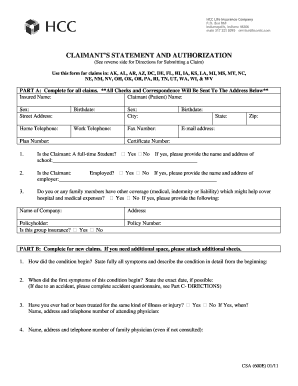
The Custom Design Revision Form is a specialized document used to request alterations or updates to a custom-designed item, commonly garments or tailored products. This form serves as a formal channel for clients to specify the desired changes in detail, ensuring that the designer or manufacturer understands and implements the revisions accurately. It typically includes information such as the customer's contact details, design references, and specific areas requiring modifications. The form acts as a binding agreement between the client and service provider, clarifying expectations while minimizing potential misunderstandings.
How to Obtain the Custom Design Revision Form
Obtaining a Custom Design Revision Form can be straightforward, with several options available:
- Online Download: Many design firms and apparel companies provide downloadable PDF versions of the form on their websites.
- Email Request: Clients can request the form via email from the company handling their custom designs.
- Retail Outlets: Some brick-and-mortar stores may offer physical copies of the form, available upon request at their customer service desks.
- Design Consultation Meetings: During consultations, designers often provide the form as part of their service package.
Each method ensures clients have easy access to make necessary design changes conveniently.
Steps to Complete the Custom Design Revision Form
Filling out the Custom Design Revision Form involves several precise steps:
- Personal Information: Start by entering your full name, account number, and contact details, including a phone number and email address.
- Description of Original Design: Provide a reference to the original design, including design codes or sketches, if available.
- Specific Changes Requested: Clearly outline the modifications you wish to make, such as altering the fit, changing colors, or adjusting materials.
- Supplementary Details: List additional factors, such as deadlines for completion or special instructions for the design team.
- Signature and Date: Verify the requests by signing and dating the form to confirm your approval.
This step-by-step process ensures all relevant information is captured for an efficient revision process.
Key Elements of the Custom Design Revision Form
The Custom Design Revision Form consists of several crucial elements to ensure thorough and clear communication:
- Customer Information Section: Includes name, contact, and account details for identification.
- Design Reference: Allows clients to specify which design is subject to modification using codes or design names.
- Revision Descriptions: A detailed area to articulate specific changes required.
- Priority and Deadline Information: Indicates the urgency and preferred timeline for revisions.
- Confirmation: An acknowledgment section for clients to sign, confirming the accuracy of the provided information.
These components facilitate a streamlined process for implementing design changes effectively.
Why Should You Use the Custom Design Revision Form
Utilizing the Custom Design Revision Form is vital for several reasons:
- Clear Communication: Establishes a written record of requests, reducing the risk of miscommunication.
- Legal Protection: The form serves as a documented agreement, protecting both parties in case disputes arise.
- Efficient Workflow: Helps designers systematically address changes, improving turnaround time for revisions.
- Consistency: Ensures all requested changes are in one place, aiding designers in maintaining design integrity.
- Professionalism: Provides an official channel for modifications, reflecting the company's commitment to quality and customer satisfaction.
These benefits highlight why the form is an essential tool in custom design processes.
Legal Use of the Custom Design Revision Form
The Custom Design Revision Form has legal implications, primarily serving as an agreement between the client and designer. By signing the form, both parties consent to the specified changes and acknowledge their mutual commitments. It protects clients by documenting their requests, and it safeguards designers by setting clear expectations and scope of work. Ensuring that the form is complete and signed can prevent legal disputes over misunderstandings or unmet expectations. Understanding local contract laws can further enforce the form's validity as a legal instrument within the United States.
Examples of Using the Custom Design Revision Form
Examples of scenarios where the Custom Design Revision Form is used include:
- Fashion Industry: A client requesting adjustments to bespoke clothing items, such as lengthening a dress or altering embellishments.
- Corporate Branding: Companies revising designs for promotional apparel following a rebranding effort.
- Individual Clients: Personalizing items like wedding dresses or custom suits to perfect fit and style based on personal taste.
These examples illustrate the form's versatility across various design contexts, emphasizing its critical role in ensuring customer satisfaction and precise outcomes.
Required Documents for Custom Design Revision Form
When completing the Custom Design Revision Form, clients might need to provide additional documentation to support their requests:
- Original Invoice or Order Confirmation: Ensures the designer knows the details of the original purchase.
- Design Sketches: Provides visual references for the requested changes.
- Previous Correspondence: Emails or messages that may highlight initial discussions about the changes.
- Sample Material Swatches: Offers the design team a tangible reference for any material-related changes.
Submitting these documents alongside the form aids in confirming and expediting the revision process.