2024 FORM 109 California Exempt Organization Business Income Tax Return-2026

Get Form
2024 FORM 109 California Exempt Organization Business Income Tax Return Preview on Page 1

Here's how it works

01. Edit your form online
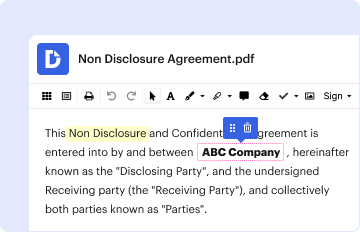
Type text, add images, blackout confidential details, add comments, highlights and more.

02. Sign it in a few clicks
Draw your signature, type it, upload its image, or use your mobile device as a signature pad.

03. Share your form with others
Send it via email, link, or fax. You can also download it, export it or print it out.

Definition and Meaning

The 2024 FORM 109 California Exempt Organization Business Income Tax Return is a tax document specifically designed for exempt organizations operating in California. Exempt organizations, such as non-profit entities, are those recognized by the Internal Revenue Service (IRS) as being exempt from federal income tax under Section 501(c) of the Internal Revenue Code. This form is used to report and pay taxes on unrelated business taxable income (UBTI), which is income generated from activities unrelated to the organization’s primary mission.

  • Unrelated Business Taxable Income (UBTI): This refers to income from a trade or business that is regularly carried on by an exempt organization and is not substantially related to the organization’s exempt purpose.
  • Exempt Purpose: Activities that align with the organization's founding mission, such as charitable, educational, scientific, or religious goals.

Organizations must ensure the correct use of this form to maintain compliance with tax regulations and avoid potential penalties.

How to Use the 2024 FORM 109

Using the 2024 FORM 109 involves several critical steps to ensure accurate filing and compliance. Organizations should follow these steps:

  1. Identify Applicable Income: Begin by determining any unrelated business income earned during the tax year.
  2. Gather Necessary Details: Collect all relevant financial statements, receipts, and documentation that detail your exempt and non-exempt income sources.
  3. Prepare the Form: Using your gathered data, fill out the form accurately. Ensure each section is completed, including organizational information and income details.
  4. Review for Accuracy: Double-check all entries for errors or omissions to avoid IRS scrutiny.
  5. Submit the Form: Submit your completed form by the designated deadline to avoid late penalties.

This structured approach helps organizations manage their tax obligations effectively.

Steps to Complete the 2024 FORM 109

Completing the 2024 FORM 109 involves a detailed process. Follow these instructions to accurately fill out your tax return:

  1. Enter Organization Information: Include the organization's name, address, EIN (Employer Identification Number), and fiscal year details at the top of the form.
  2. Report Gross Revenue: Detail the total gross revenue generated from business activities unrelated to the nonprofit's exempt purpose.
  3. Calculate Deductions: List and subtract allowable deductions — such as salaries, rent, utilities — specifically associated with generating unrelated business income.
  4. Determine Taxable Income: Subtract deductions from gross revenue to find the net taxable income.
  5. Compute Tax Owed: Use California's corporate tax rates to determine the amount owed on the net taxable income.
  6. Sign and Date the Form: Ensure the form is signed by an authorized officer and dated appropriately.

Adhering to these steps ensures compliance and accurate reporting on the form.

Filing Deadlines and Important Dates

Organizations must be aware of key deadlines to ensure timely submission of the 2024 FORM 109:

  • Filing Deadline: The standard due date for filing is the 15th day of the 5th month following the close of the fiscal year.
  • Extension Requests: Organizations can file for an extension if additional time is needed, but they must do so before the original filing deadline.
  • Estimated Payment Dates: If required to pay estimated taxes, installments are typically due quarterly.

Missing deadlines could result in penalties or interest charges, so maintaining a calendar with these critical dates is essential.

Form Submission Methods

The 2024 FORM 109 can be submitted through several methods, depending on the organization's preferences and resources:

  • Online: California's tax authority provides electronic submission options for fast and efficient filing.
  • Mail: Hard copies can be mailed to the designated address provided in the form instructions.
  • In-Person: For those preferring physical submission, visiting a local tax office is an option.

Using secure methods to submit the form is imperative to protect sensitive information.

Key Elements of the 2024 FORM 109

Understanding the core sections of the 2024 FORM 109 helps in accurate completion:

  • Identification Section: Captures organizational details and basic information.
  • Income and Deductions: Elaborates on irrelevant income made and potential deductible expenses.
  • Tax Computation: Calculates the amount owed based on net unrelated income.
  • Signature and Authorization: Requires an official sign-off from the organization’s responsible officer.

Each component serves a specific purpose in assessing the organization's tax liability on unrelated income.

Legal Use of the 2024 FORM 109

The legal framework surrounding the use of the 2024 FORM 109 ensures that exempt organizations correctly report taxable income:

  • Tax Compliance: Ensures that organizations pay taxes on UBTI, maintaining fiscal responsibility and legal standing.
  • Record Keeping: Organizations must retain copies of filed returns and associated documentation for audit purposes.
  • Regulatory Adherence: Filing the form as required demonstrates adherence to both state and federal regulations governing tax-exempt entities.

Legal compliance protects organizations from penalties and supports sustained operation.

Penalties for Non-Compliance

Failing to comply with the filing requirements of the 2024 FORM 109 can result in penalties. Here’s what organizations might face:

  • Late Filing Penalties: Imposed for failing to submit the form by its due date.
  • Underpayment Penalties: Applicable if the tax owed is not fully paid.
  • Accuracy-Related Penalties: Can occur if incorrect information is provided, whether intentional or due to oversight.

Understanding these consequences underscores the importance of accurate and timely filing.

be ready to get more

Complete this form in 5 minutes or less

Get form

Security and compliance

At DocHub, your data security is our priority. We follow HIPAA, SOC2, GDPR, and other standards, so you can work on your documents with confidence.

Learn more
ccpa2
pci-dss
gdpr-compliance
hipaa
soc-compliance
be ready to get more

Complete this form in 5 minutes or less

Get form