




Definition & Meaning
A Release and Waiver of Liability Agreement is a legal document designed to protect an organization or individual from liability in case of accidents or injuries that may occur during a specific activity or event. This agreement involves the participant agreeing to forfeit the right to sue or hold the organizer responsible for potential harm. It is common in environments where physical activities or risks are inherent, such as sports events or recreational activities.
- Legal Nature: It acts as a contractual agreement between the organizer and participant, ensuring that both parties understand the associated risks.
- Binding Effect: Once signed, it waives the participant's ability to claim damages, thus limiting legal actions following incidents.
How to Use the Release and Waiver of Liability Agreement
Using the Release and Waiver of Liability Agreement effectively involves understanding your specific needs and ensuring the document is properly executed.
- Identify the Activity: Clearly define the nature of the event or activity.
- Draft Tailored Language: Customize the agreement language to reflect the risks and responsibilities specific to the activity.
- Gather Signatures: Ensure all parties fully understand the agreement before signing.
- Retain Records: Keep signed copies for reference and legal protection.
- Consider Professional Guidance: Legal advice ensures the agreement is comprehensive and enforceable.
Key Elements of the Release and Waiver of Liability Agreement
The agreement should contain specific elements to be valid and enforceable.
- Acknowledgment of Risk: Participants must recognize and accept the potential hazards they are exposing themselves to.
- Release Clause: Explicitly states the relinquishment of legal claims against the organizer.
- Indemnification: May include clauses where the participant agrees to compensate the organizer for any claims arising due to the participant's actions.
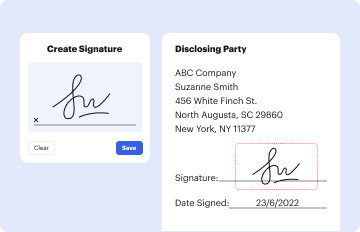
- Signature and Date: Validity hinges on properly documented consent, including dated signatures from all parties involved.
Legal Use of the Release and Waiver of Liability Agreement
The agreement is critical for managing legal risks in various scenarios.
- Risk Management: Reduces the potential for lawsuits following accidents or injuries.
- Jurisdictional Compliance: Ensures the document respects state laws and variations in enforceability across different locales.
- Legal Enforcement: Courts typically uphold these agreements if they are well-drafted and voluntarily signed.
Steps to Complete the Release and Waiver of Liability Agreement
Completing the agreement involves several defined steps to ensure it is executed correctly.
- Drafting: Create a draft tailored to the specific activity and associated risks.
- Participant Review: Allow participants ample time to read and understand the agreement.
- Execution: Secure the participant's signature while ensuring all questions or concerns are addressed.
- Documentation: Keep a record of all signed agreements for future reference.
State-Specific Rules for the Release and Waiver of Liability Agreement
While the overall intent remains constant, rules can vary by state.
- Enforceability: Some states have specific requirements for enforceability, such as the necessity of clear and conspicuous language.
- Public Policy Exception: Certain jurisdictions might not enforce these agreements if they contravene public policy, such as releasing liability for gross negligence.
Examples of Using the Release and Waiver of Liability Agreement
These agreements are utilized across various industries and scenarios.
- Sports Events: Used for amateur and professional events to protect organizers from litigation arising from participant injuries.
- Recreational Services: Common in adventure sports, gyms, and recreational facilities.
- Corporate Events: Employed for team-building activities and company-hosted gatherings.
Important Terms Related to Release and Waiver of Liability Agreement
Understanding key terms is crucial for the effective use of these agreements.
- Negligence: Failure to exercise appropriate care expected to prevent foreseeable harm.
- Waiver: Voluntary relinquishment of a known right, claim, or privilege.
- Indemnify: To protect against damage or loss or give security against legal liability.
Who Typically Uses the Release and Waiver of Liability Agreement
Various professionals and industries regularly use these agreements to mitigate risk.
-
Event Organizers: For both public and private events.
-
Recreational Business Owners: Such as gym or sports facility managers.
-
Educational Institutions: When organizing field trips or extracurricular activities.
-
Insurance Companies: May require these agreements when underwriting policies.