



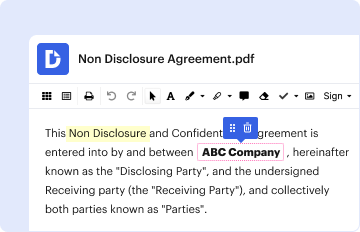
01. Edit your form online
Type text, add images, blackout confidential details, add comments, highlights and more.

Type text, add images, blackout confidential details, add comments, highlights and more.
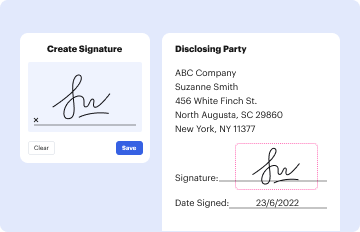
Draw your signature, type it, upload its image, or use your mobile device as a signature pad.

Send it via email, link, or fax. You can also download it, export it or print it out.
A Smoking Incident Report Form is a structured document used to record details of incidents involving smoking violations or related accidents. Such forms are crucial for maintaining and enforcing smoking policies in residential, commercial, or institutional settings. The form ensures that all relevant facts about the incident are documented systematically for future reference, potential disciplinary action, or legal purposes.
Incidents could include the discovery of smoking in non-smoking zones, accidental fires sparked by smoking materials, or any harm caused by smoking-related activities. By capturing these events in detail, building managers or policy enforcers can address violations promptly and effectively.
To use the Smoking Incident Report Form effectively, it is important to follow a systematic approach:
Identify the Incident: Clearly describe the incident location, time, and date. Be precise to ensure accurate documentation.
Document Witness Accounts: Gather statements from witnesses present during the incident. Include their names and contact information.
Describe the Incident: Offer a detailed account of the events leading to the incident and its outcomes. Use chronological order for clarity.
Identify the Individuals Involved: List all involved parties, including their roles and any actions they took during the incident.
Submit Supporting Evidence: Attach any physical evidence or photographs that support the report. This can include cigarette butts, photos of the scene, or security footage.
Sign and Date the Form: Ensure that the person completing the report signs and dates it to authenticate the documentation.
Following these steps will ensure comprehensive and clear documentation of smoking-related incidents.
Completing the Smoking Incident Report Form involves several key steps to ensure all pertinent information is collected and recorded correctly:
Gather Initial Information: Start by filling out basic information about the premises, such as address and the type of property (e.g., residential or commercial).
Detail the Incident Circumstances:
Witness and Involved Parties: Collect details of any witnesses and their contact information. Document involvement of people like building staff or residents.
Evidence Collection: Record any physical evidence or visual documentation that supports the sequence of events described.
Resolution or Action Taken: If any immediate action was taken (e.g., extinguishing a fire), include details about those measures.
Sign-Off: Have the reporter and any relevant parties sign the form to affirm the accuracy of the documented events.
Submit the Report: Ensure the form is sent to the designated authority within your organization for review and further action.
These steps allow for a methodical approach to documenting incidents.
The Smoking Incident Report Form is composed of several critical elements that ensure a thorough documentation process:
These elements ensure that every aspect of the incident is examined and recorded.
The Smoking Incident Report Form serves as a legal document to support enforcement of smoking policies and compliance with local regulations. Properly filled forms can prevent liability issues and support claims or disciplinary actions in workplaces, rented properties, or public domains.
The form's place within legal frameworks underscores its necessity in safeguarding organizational and individual rights.
Different states in the U.S. may have specific regulations governing smoking in public and private spaces, which affect how the Smoking Incident Report Form is utilized:
Understanding state-specific regulations is essential for effective and compliant use of the form.
Illustrative scenarios clarify how the Smoking Incident Report Form is employed in varied contexts:
Such cases exhibit the form's utility in logging smoking-related events across various environments, proving their integral role in maintaining safety and order.
Understanding terminology associated with the Smoking Incident Report Form is key to accurate documentation:
Bringing clarity to these terms enhances comprehension and effectiveness in utilizing the form correctly.
At DocHub, your data security is our priority. We follow HIPAA, SOC2, GDPR, and other standards, so you can work on your documents with confidence.
SAMPLE NOTICE OF SMOKING INCIDENT. PROPERTY/ADDRESS Please submit this form to the rental office/landlord. Tenant Signature DateRead more
It has been brought to my attention that you have been witnessed on (date, time and location) violating Columbia University, as well as New York CityRead more
Aug 22, 2018 Exposure to Tobacco Smoke: A Report of the Surgeon General. Centers for Disease Control and. Prevention, National Center for Chronic DiseaseRead more


