





Definition and Meaning of Form Online
The term "form online" refers to the digital version of a document that can be completed and submitted via the internet. This format allows users to interact with forms in real-time, filling out required information from any device with internet access. Online forms streamline processes by eliminating the need for physical paperwork, enabling users to complete tasks more efficiently. They often come with interactivity elements like editable fields, dropdown menus, and electronic signature capabilities. Online forms are utilized across various sectors, from government applications and tax forms to business contracts and surveys.
How to Use the Form Online
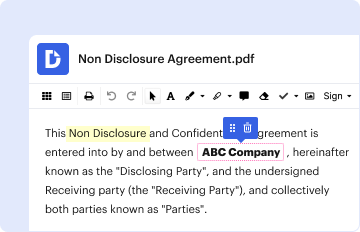
To use an online form effectively, begin by accessing the form through a web portal or a document management platform like DocHub. Ensure you are using a compatible device—forms can be filled out on laptops, tablets, or smartphones. Navigate to the necessary fields, and use interactive elements such as text boxes and radio buttons to input your information. Take advantage of comment sections or annotation tools if further clarification is needed. After filling out the form, review all entries for accuracy before using the platform's submit feature.
Steps to Complete the Form Online
- Log in to the Platform: Access the online form through a secure link or the form provider's official website.
- Enter Required Information: Identify and fill in all mandatory fields marked with an asterisk (*). These are essential for form submission.
- Attach Additional Documents: Use any upload options to include supporting materials as required.
- Review Entries: Double-check all information for errors or omissions. Many platforms possess review checks to guide users before submission.
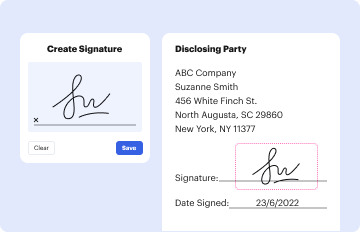
- Sign Electronically: If a signature is needed, utilize the electronic signature feature. Options may include drawing, typing, or uploading an image of your handwritten signature.
- Submit the Form: Click the "Submit" or "Finish" button to send your form electronically. Confirmation will usually follow via email or platform notification.
Importance of Using Forms Online
Using forms online provides several benefits, such as immediate accessibility and convenience. This medium allows real-time data entry and ensures higher accuracy by minimizing manual errors found in paper forms. Online forms facilitate easier sharing, faster processing, and greater security due to encrypted submissions. For businesses and governmental entities, online forms contribute to reduced operational costs associated with paper and print usage.
Who Typically Uses Online Forms
Online forms are widely used by individuals and organizations alike. Professionals who handle large volumes of documentation—such as HR personnel, legal advisors, and project managers—frequently utilize them for efficiency. Government authorities and educational institutions use online forms for application processes. Additionally, small business owners and freelancers use online forms to manage contracts, invoices, and client information seamlessly.
Legal Use of the Form Online
Online forms often include legally binding agreements such as consent forms, contracts, and e-signatures. To be legally recognized, these forms must comply with regulations like the ESIGN Act in the U.S., ensuring that the electronic format is as valid as a paper document. Compliance with such laws means the online form is acceptable in court, provided there’s proof of agreement to terms via digital signatures and authentication measures like IP tracking.
Key Elements of an Online Form
- Interactive Fields: Fields such as text inputs, checkboxes, and dropdowns allow user interaction.
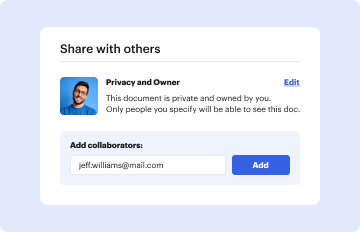
- Required Permissions: Certain forms necessitate permissions for editing or signing, controlled by the document owner.
- Form Validation: Automatic checks ensure all required information is filled correctly, preventing errors in submission.
- Secure Access: Authentication measures, such as passwords or OTPs, ensure data privacy and secure form access.
- Customization Options: Users can personalize forms with logos or specific questions to fit their needs.
State-Specific Rules for Filling Online Forms
Certain online forms, especially those related to state taxes or legal documentation, may vary by state due to differing regulations. For example, the State of Connecticut may require certain forms, such as the CT-8379, to be filed according to state-specific guidelines relating to claims of a nonobligated spouse. It is essential to be aware of these variations and to consult official state resources or platforms like DocHub that provide state-compliant document templates.
Examples of Using Online Forms
Numerous practical examples highlight the utility of online forms:
- Tax Filing: Completing IRS tax forms online for quicker submission and refunds.
- Job Applications: Applying for jobs through company websites with fillable application forms.
- Surveys and Feedback: Collecting customer or employee feedback via online surveys.
- Event Registrations: Signing up for events or workshops using digital registration forms.
- Legal Agreements: Sharing and signing contracts or NDAs online, streamlining the review process.
By understanding and utilizing these critical components and advantages of online forms, individuals and organizations can greatly enhance the efficiency and validity of their document workflows.