







Definition & Meaning
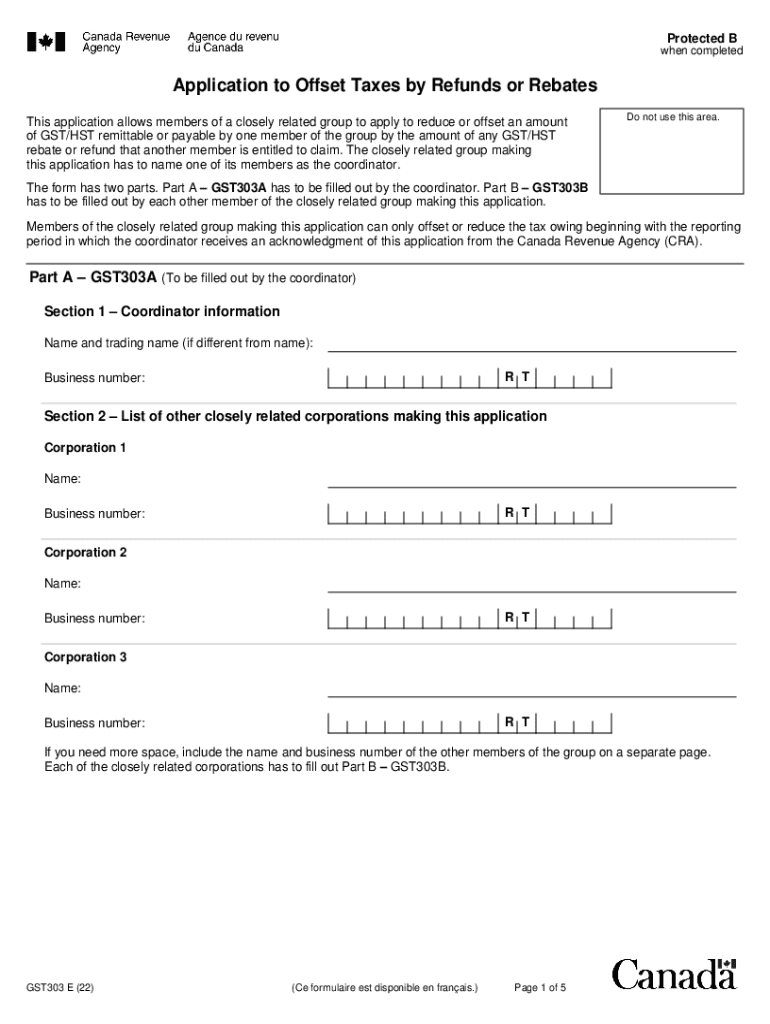
The "Application to Offset Taxes by Refunds or Rebates" is a formal request typically used by businesses or taxpayers in the United States to apply tax refunds or rebates to offset tax liabilities. This application facilitates the adjustment of owed taxes against available refunds, aiming to reduce the financial burden associated with tax payments. For instance, if a taxpayer has a pending refund from previous tax periods, they can use this application to allocate that refund toward current tax obligations.
How to Use the Application to Offset Taxes by Refunds or Rebates
Using this application involves several steps that ensure accurate processing and offsetting of taxes. First, taxpayers need to have a clear understanding of their current tax liabilities and any available refunds or rebates. Next, they must fill out the appropriate sections of the application, detailing the amount of refund or rebate available and the tax liability they wish to offset. It is important to verify all calculations and ensure that the information provided is accurate and complete. This application can be submitted to the relevant tax authority either online, via mail, or in person, depending on the preferred submission method provided by the issuing authority.
Steps to Complete the Application to Offset Taxes by Refunds or Rebates
- Gather Required Documents: Assemble all necessary documentation, including financial statements, previous tax returns, and records of the refund or rebate in question.
- Access the Application Form: Obtain the form from the relevant tax authority or their website.
- Fill Out Personal and Financial Information: Provide accurate details about tax liabilities and refund amounts.
- Attach Supporting Documents: Include copies of relevant paperwork that substantiate the refund or rebate amounts.
- Review for Accuracy: Double-check all entries to ensure that the application is complete and accurate.
- Submit the Form: Choose your desired submission method, whether online, by mail, or in person, and submit the completed application.
Eligibility Criteria
To be eligible for using the “Application to Offset Taxes by Refunds or Rebates,” applicants generally need to meet certain conditions. Primarily, they must have a legitimate claim to a refund or rebate from prior tax years, which can be verified with documentation. Eligibility may also depend on the type of taxes being offset, such as income, sales, or property taxes, and the specific rules set forth by the tax authority involved.


IRS Guidelines
The Internal Revenue Service (IRS) provides specific guidelines regarding the application of refunds or rebates toward outstanding tax liabilities. These guidelines ensure that the offsetting process is conducted legally and efficiently. They outline the types of taxes eligible for offset, acceptable documentation, and the procedural steps for submitting an offset request. Adhering to these IRS guidelines is crucial to avoid penalties or delays in processing the application.
Required Documents
Certain documents are necessary to support the application:
- Tax Returns: From the year of the claimed refund or rebate.
- Proof of Refund/Rebate: Documentation verifying the amount, such as tax authority statements.
- Financial Statements: Recent statements confirming your current tax liabilities.
- Identification: Copies of valid identification to verify the applicant's identity.
Legal Use of the Application to Offset Taxes by Refunds or Rebates
The legal use of this application is crucial to ensure compliance with tax laws. Taxpayers must understand the legal framework governing tax refunds and their applications to offset liabilities. Misuse or fraudulent claims can result in penalties, including fines or legal action. Therefore, applicants should consult tax professionals or legal advisors if uncertain about the application’s legal intricacies.
Application Process & Approval Time
The application process involves submitting the completed form and waiting for approval from the tax authority. The approval time can vary depending on the complexity of the application, the clarity of provided documents, and the efficiency of the issuing agency. On average, the review process can take several weeks, but applicants can expedite it by ensuring all documentation is accurate and complete. Regular follow-ups with the tax authority might also be necessary to receive timely updates on application status.
Business Entity Types Benefitting From Application to Offset Taxes by Refunds or Rebates
Certain business types, such as LLCs, corporations, and partnerships, can particularly benefit from utilizing this application. These entities often manage complex tax obligations and cash flows, making the ability to offset taxes with refunds or rebates a valuable financial management tool. By reducing immediate tax liabilities, businesses can enhance cash flow and strategic financial planning.




