




01. Edit your form online
Type text, add images, blackout confidential details, add comments, highlights and more.

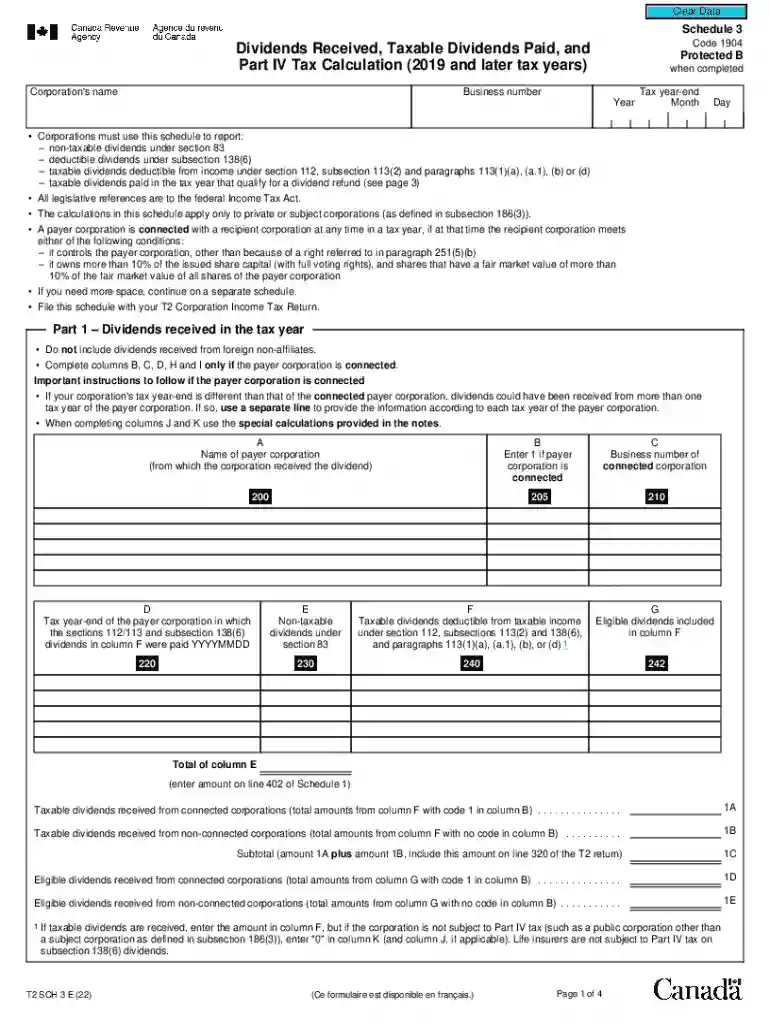
Type text, add images, blackout confidential details, add comments, highlights and more.

Draw your signature, type it, upload its image, or use your mobile device as a signature pad.

Send it via email, link, or fax. You can also download it, export it or print it out.
The Schedule 3 Tax Calculation Form is a vital document used primarily to report specific types of income, deductions, and credits not covered on the standard 1040 form. Although versions may vary, its central aim is to detail supplemental taxpayer information that impacts tax liability. For example, it might capture dividend income or particular tax credits like education credits. Understanding its purpose and requirements helps ensure accurate tax submissions. This form is crucial for individuals and businesses to properly disclose additional tax responsibilities and entitlement adjustments.
Using the Schedule 3 Tax Calculation Form involves several stages, starting with identifying qualifying incomes or credits not detailed on the primary tax form. Typically, this means gathering documentation related to dividends, capital gains, and specific tax credits. Users must input this information into the relevant sections of Schedule 3. Furthermore, it's essential to accurately tally these amounts to reflect in the total tax liability or refund due.
Using taxation software or engaging with a tax professional can further streamline this process.
Understanding the terminology associated with the Schedule 3 Tax Calculation Form can clarify filing procedures and ensure accurate reporting:
Familiarity with these terms helps taxpayers navigate the intricacies of Schedule 3 effectively.
Schedule 3 is comprised of several sections capturing various aspects of tax calculation:
Each of these sections must be filled out accurately to reflect the taxpayer's circumstances.
The IRS provides comprehensive guidelines for completing Schedule 3, focusing on eligibility for each section:
Adhering to these guidelines ensures compliance and minimizes errors in tax reporting.
The deadline to file Schedule 3 typically coincides with regular tax filing deadlines, usually April 15 unless extended. However, paying close attention to the filing calendar is crucial for avoiding penalties:
Timely submission is critical to avoid late filing penalties or interest charges on owed taxes.
Filing the Schedule 3 form necessitates various documents that substantiate the additional income, credits, or deductions claimed:
Ensure all documents are current and accurately reflect the tax year’s activities.
Several software solutions provide compatibility for completing the Schedule 3 Form efficiently:
Opting for compatible tax software can help automate calculations and reduce manual errors.
At DocHub, your data security is our priority. We follow HIPAA, SOC2, GDPR, and other standards, so you can work on your documents with confidence.
Schedule 3: Supporting documentation for tax form 1040 if box 12b is checked. This Schedule is used to declare your capital gains or losses for items such asRead more
Part I. All Filers. 1 1040 filers: Enter the amount from line 6 of your Child Tax Credit Worksheet (see the. Instructions for Form 1040, line 51).Read more
This is an early release draft of an IRS tax form, instructions, or publication, which the IRS is providing for your information. Do not file draft forms.Read more


