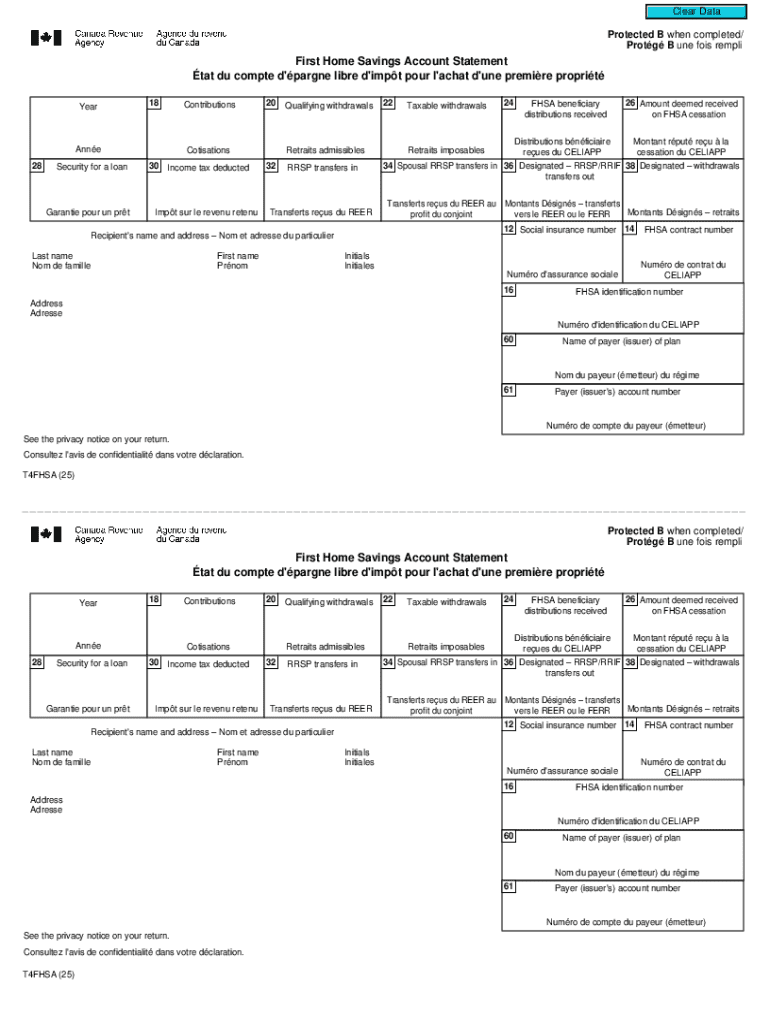







Definition & Meaning
The "First Home Savings Account Statement" is a crucial document for individuals managing their finances in anticipation of purchasing their first home. It delineates all pertinent financial activities within the savings account designed specifically to aid first-time homebuyers. This account statement typically includes transaction histories, account balances, interest earned, and any fees charged. As a financial tool, it provides prospective homeowners with a transparent view of their saving progress towards acquiring a property. It also serves as an essential record for verifying financial stability and preparedness to mortgage providers or financial advisors.
How to Use the First Home Savings Account Statement
To effectively utilize your First Home Savings Account Statement, begin by reviewing all transactions to ensure accuracy. Check deposits, withdrawals, interest accruals, and any charges. Use this data to track your savings progression toward your home-buying goal. Evaluate whether you’re meeting your saving targets and adjust your contributions accordingly. Regularly using the statement as a financial check-in can help maintain focus on your budgeting and saving strategies, ensuring alignment with your timeline for purchasing a home.
How to Obtain the First Home Savings Account Statement
Obtaining your First Home Savings Account Statement can be done through several methods:
-
Online Banking: Most financial institutions offer digital access to account statements. Log into your online banking portal to download or view your statement.
-
Mobile App: Use your bank's mobile application to access your statement. This method often provides options to view, save, or share the document directly from your smartphone.
-
Paper Statement: Request a paper copy from your bank if preferred. This may involve a visit to the branch or a phone call to customer service, but some institutions charge a fee for physical copies.
-
Email Notification: Sign up for email alerts which typically include links or attachments to your account statement when available.
Ensure your personal information is up-to-date with your bank to facilitate easy retrieval of these statements.
Steps to Complete the First Home Savings Account Statement
-
Gather Information: Ensure you have all necessary identification and account numbers ready before initiating any processes.
-
Verify Transactions: Go through each transaction listed on the statement. Mark discrepancies, and if found, contact your bank immediately for clarification or correction.
-
Record Anomalies: Document any unusual account activities you notice. This documentation will be vital in addressing concerns with your banking institution.
-
Update Budget Plans: Use the insights from your account statement to revise personal finance budgets if necessary. Ensure that your saving goals are realistic and attainable.
-
Secure Document: Store both digital and physical copies of your completed statement securely to protect against unauthorized access.
Key Elements of the First Home Savings Account Statement
- Transaction List: Comprehensive details of all deposits and withdrawals made during the statement period.
- Interest Information: Declares the interest rate and the total interest earned.
- Fees: A clear breakdown of any fees charged throughout the statement period, including service fees or penalties.
- Contact Information: Your bank’s contact details for queries or reporting errors.
- Statement Period: Indicating the specific dates covered by the statement, usually reflecting a monthly cycle.
Important Terms Related to First Home Savings Account Statement
- Principal: The initial amount of money saved excluding any earned interest.
- Interest Rate: The percentage at which your savings accrue interest over time.
- Fee Schedule: An outline of potential fees associated with the account.
- Maturity Date: For some accounts, this term refers to the date when account terms may change, allowing penalty-free withdrawals.
- APY: Annual Percentage Yield - represents the total interest earned on an account over one year.
Legal Use of the First Home Savings Account Statement
The statement has several legal implications, primarily in terms of financial verification. It can be used to:
- Verify Funds: As proof of financial stability when applying for a mortgage or other lines of credit.
- Tax Reporting: Provide financial data for tax purposes, verifying interest earned and applicable deductions.
- Dispute Resolution: Serve as evidence in resolving disputes regarding unauthorized transactions or discrepancies with the bank.
Eligibility Criteria
To qualify for a First Home Savings Account, you generally need to meet specific criteria:
- First-time Homebuyer: Defined as someone who has not owned a principal residence in the past few years, usually two to three.
- Age Requirement: Most accounts require you to be a legal adult, typically 18 years or older.
- Residency: Some savings accounts might require you to be a resident of a specific state, impacting eligibility based on geographic location.
- Deposit Requirement: Opening deposits vary between banks, and potential account holders must meet these initial deposit amounts.