
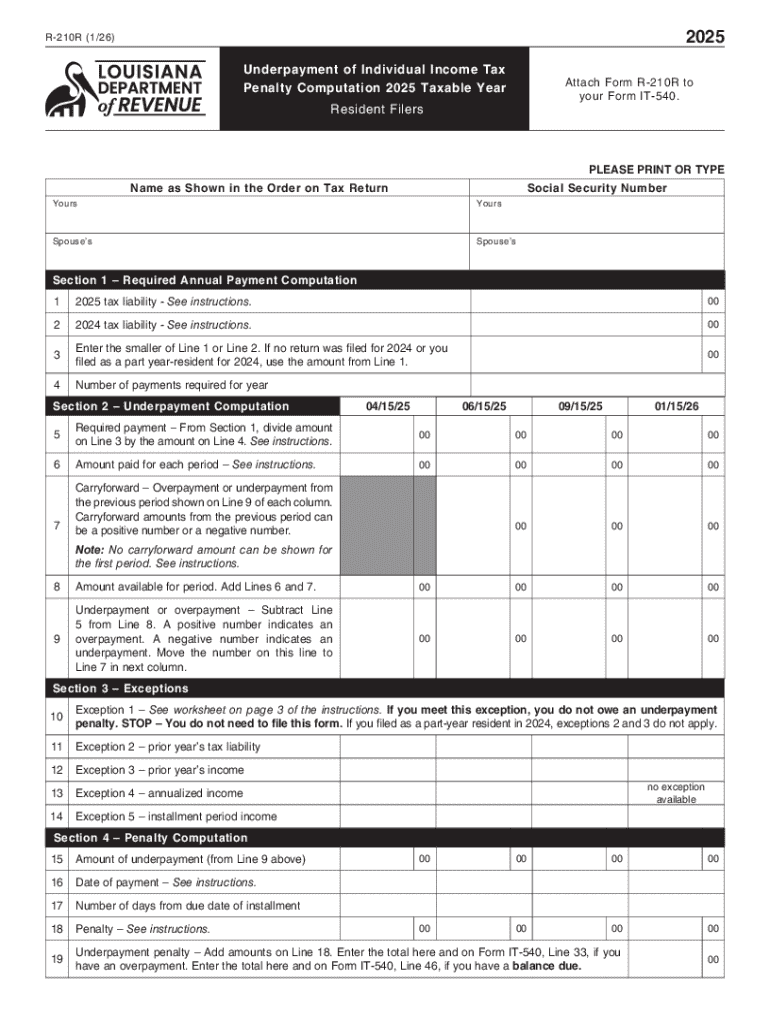







Definition & Meaning
Understanding the concept of a "form online" is essential for leveraging modern document workflows. An online form is a web-based document designed to collect data from users electronically. Unlike paper forms, these digital forms can be filled out and submitted without the need for printing, making them a more efficient option for both individuals and businesses.
Online forms typically include fields for inputting various types of information, such as names, addresses, and numerical data. They may also contain drop-down menus, checkboxes, and signature fields that allow for more streamlined data entry. The primary purpose of these forms is to facilitate efficient data collection and processing in a digital-first world.
How to Use the Form Online
Using an online form effectively involves several key steps. First, identify the specific type of form needed for your purpose, whether it is a tax form, an application, or a survey. Navigate to the website where the form is hosted, such as DocHub, which offers a wide range of online forms suitable for various needs.
Upon accessing the form, fill out each field carefully, ensuring that all information provided is accurate and up-to-date. Utilize built-in tools to add text, insert images, or digitally sign the form, if applicable. Once completed, review the form for any errors or omissions before submitting it electronically.
Tips for Efficient Form Usage
- Ensure your internet connection is stable to avoid losing any entered data.
- Save a copy of the completed form for your records.
- Familiarize yourself with any specific instructions or guidelines related to the form's purpose.
Steps to Complete the Form Online
Completing an online form involves a series of straightforward steps. Here is a detailed guide:
-
Access the Form: Visit the website hosting the form online. For DocHub, simply log in to your account and navigate to the form section.
-
Fill in Required Information: Enter your information in the designated fields. Pay attention to which fields are marked as required to ensure successful submission.
-
Review the Form: Double-check all entries for accuracy. Use preview options to view the form as it will appear when submitted.
-
Sign Electronically: If the form requires a signature, use electronic signature tools provided by the platform, such as drawing your signature or uploading an image.
-
Submit the Form: Once you’re satisfied with all entries, press submit. You may receive a confirmation of submission via email or on-screen notification.
Who Typically Uses the Form Online
Online forms are versatile tools utilized by a wide range of individuals and organizations. Here are some common users:


Individuals
- Job Seekers: Complete applications or enrollment forms for job positions or educational programs.
- Taxpayers: Submit tax-related documents electronically to streamline the filing process.
Businesses
- Human Resources: Manage employee information through onboarding forms and performance reviews.
- Customer Service: Gather customer feedback and inquiries through online surveys and support tickets.
Government Agencies
- Census Data Collection: Conduct surveys and gather demographic information efficiently.
- Permit Applications: Simplify the process of applying for business licenses or construction permits.
Key Elements of the Form Online
Online forms feature several critical elements designed to enhance functionality and user experience:
- Text Fields: Allow users to enter free-form text, such as name and address.
- Dropdown Menus: Provide a list of options from which users can select the most applicable choice.
- Checkboxes: Enable multiple selections for items like interests or skills.
- Signature Fields: Facilitate digital signing, ensuring documents maintain legal validity.
Advanced Features
- Conditional Logic: Display or hide questions based on user responses to previous questions.
- Real-Time Validation: Alerts users to errors or incomplete fields before submission.
Legal Use of the Form Online
The legal application of online forms includes a variety of scenarios, crucial for maintaining compliance across different domains:
- Electronic Signatures: These meet the legal standards set forth under the ESIGN Act, ensuring that signed documents are as enforceable as traditional paper-based contracts.
- Data Privacy: When forms collect personal information, compliance with regulations such as GDPR or CCPA (where applicable) is mandatory, emphasizing the need for secure data handling practices.
IRS Guidelines
For forms related to tax purposes, IRS guidelines dictate specific requirements and processes. When completing an online tax form, ensure you:
- Use the Latest Versions: Confirm the form is the most current iteration to comply with any recent tax law changes.
- Submit by Deadlines: Filing electronically often streamlines submission, but adhere to established deadlines to avoid penalties.
Special Considerations
- Provide accurate information to prevent any discrepancies during audits.
- Utilize online tax preparation software compatible with IRS requirements.
State-by-State Differences
Online forms used for state-specific purposes may vary significantly. Differences can include:
- Regulatory Requirements: Each state may have distinctive laws affecting how forms are completed and submitted.
- Content Variations: Fields and available options might differ depending on local jurisdiction needs, such as state tax forms or professional licensing applications.
Adapting to State Requirements
- Always verify state-specific instructions to ensure compliance.
- Use online resources or reach out to state offices to clarify any uncertainties regarding form usage.




