
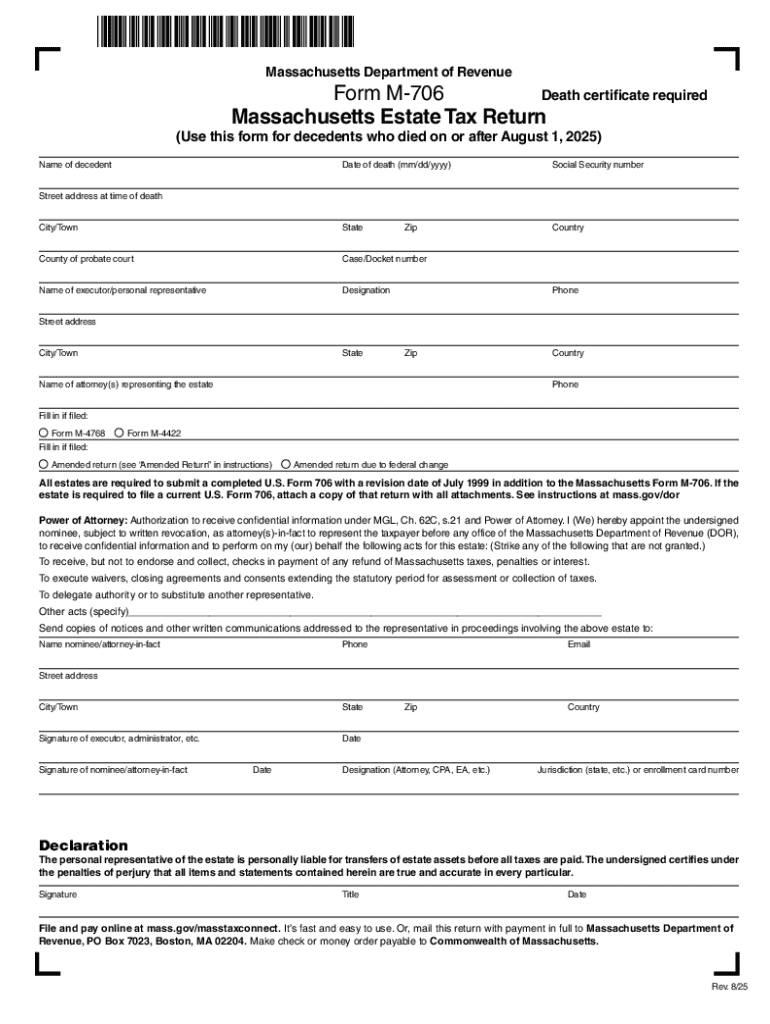







Definition and Meaning of Online Forms
Online forms refer to digital documents designed to collect and process information over the internet, providing an efficient alternative to traditional paper forms. These forms are widely used for various tasks, including data collection, surveys, applications, registrations, and more. Their digital nature allows for easy distribution, completion, and submission without the need for physical copies. This flexibility not only streamlines processes but also enhances accessibility by allowing users to fill out forms from virtually anywhere with an internet connection.
Key Features of Online Forms
- Interactive Fields: Online forms typically include various interactive fields like text boxes, dropdowns, checkboxes, and radio buttons to capture user responses.
- Validation and Logic: Many forms incorporate validation rules and conditional logic to ensure data accuracy and relevancy.
- Secure Data Handling: Online forms often feature secure data transfer protocols to protect user information.
- Automation Capabilities: They can automate data processing and integration with other software systems for seamless workflows.
How to Use the Form Online
Using an online form involves several straightforward steps designed to facilitate ease of use and functionality. Whether you're filling out a simple contact form or more complex documentation, the process generally involves:
- Accessing the Form: Locate the online form via a website link, email, or online portal.
- Understanding the Instructions: Review any provided instructions or guidelines to ensure correct completion.
- Inputting Information: Enter required data in designated fields, utilizing dropdowns or checkboxes where applicable.
- Reviewing Entries: Double-check all inputted information for accuracy and completeness.
- Submitting the Form: Follow submission instructions, which may include clicking a 'Submit' button or sending the form to a specified email address.
- Confirmation: Look for a confirmation message or email acknowledging successful form submission.
Typical Use Cases
- Survey Participation: Gathering feedback through surveys about products or services.
- Job Applications: Submitting employment applications and related documents.
- Registration Forms: Signing up for events, classes, or memberships.
- Contact Requests: Providing personal information to request further information or services.
Steps to Complete the Form Online
Completing online forms is designed to be user-friendly, but ensuring accuracy requires attention to detail. Here are practical steps to follow:
- Access the Form: Open the form through an internet browser by clicking on the provided link or navigating to the host website.
- Read Instructions Carefully: Understand all the directions and required fields to prevent mistakes.
- Fill in Required Information: Use the proper format for each field and pay attention to asterisks indicating mandatory fields.
- Upload Necessary Documents: Attach any required files in the specified formats, such as PDF or JPG.
- Utilize Built-in Tools: Leverage spell checkers or calculation tools if available to minimize errors.
- Review and Edit: Examine the entire form one final time to make sure all information is correct, and make any necessary adjustments.
- Submit and Save a Copy: Follow the steps to submit the form and save a copy of the submission for your records.
Example Scenarios
- University Applications: Filling out applications for college admissions with detailed personal and academic information.
- Tax Filings: Completing tax forms online with guided field entry and submission processes.
Key Elements of the Form Online
Understanding the key elements of online forms is crucial for efficient completion and submission. These elements typically include:
- Headers and Instructions: Clear explanations or guidelines at the top to guide users on how to complete the form.
- Interactive Input Fields: Spaces where users enter data, such as names, addresses, or choices, presented as text boxes, dropdowns, or checkboxes.
- Mandatory Fields: Critical fields marked with an asterisk (*) to indicate that they cannot be left blank.
- Submission Mechanisms: Buttons or links that allow users to submit their entered information securely.
- Confirmation Notifications: Messages displayed upon successful submission to assure the user their data has been received.
State-Specific Rules for Online Forms
While most online forms have a standardized structure, some may include state-specific rules depending on their purpose or the governing jurisdiction. This is especially true for legal, medical, and government forms used within the United States.
Considerations
- Compliance with Local Laws: Ensure the form adheres to state-specific legal and regulatory requirements.
- Localized Content: Forms may require additional fields or documents pertinent to state laws or benefits.
- Submission Guidelines: States may have different submission processes, such as submitting via state-specific portals.
Example Cases
- Tax Forms: State tax documents that require specific resident details or deductions under state law.
- Estate Planning Forms: Documents like wills or trusts that must comply with local legal standards.
Legal Use of Online Forms
Online forms often carry legal significance, especially in applications, contractual agreements, or legal declarations. Ensuring compliance with legal standards is paramount.
Legal Considerations
- Electronic Signatures: Recognized under the ESIGN Act, electronic signatures on forms are legally binding.
- Data Protection Compliance: Forms must comply with data protection regulations, such as the GDPR or CCPA in applicable regions.
- Terms and Conditions: Users may be required to accept terms that outline the legal use of their data or commitments.
Use Cases
- Contracts: Execution of agreements or contracts electronically.
- Consent Forms: Obtaining digital consent for vaccinations or treatments.
Examples of Using the Form Online
Online forms are versatile tools that can be used in virtually any field requiring data collection or consent. Examples include:
- Business: Employee evaluations, inventory requests, and client intake forms.
- Education: Course registration, academic surveys, and scholarship applications.
- Healthcare: Patient intake forms, medical history documentation, and insurance claims.
- Government: Voter registrations, census forms, and local government service applications.
Required Documents for Online Forms
When filling out online forms, certain documents may be required for submission. These documents could be necessary for verification, identity confirmation, or supporting evidence.
Common Required Documents
- Identification: Scanned copies of driver's licenses or passports.
- Proof of Residence: Utility bills or rental agreements to verify address.
- Financial Records: Tax returns, pay stubs, or bank statements for financial applications.
Importance of Document Preparation
Proper preparation and submission of these documents is crucial to ensure form acceptance and processing without delays. Always verify the acceptable formats and sizes of file uploads to avoid complications.




