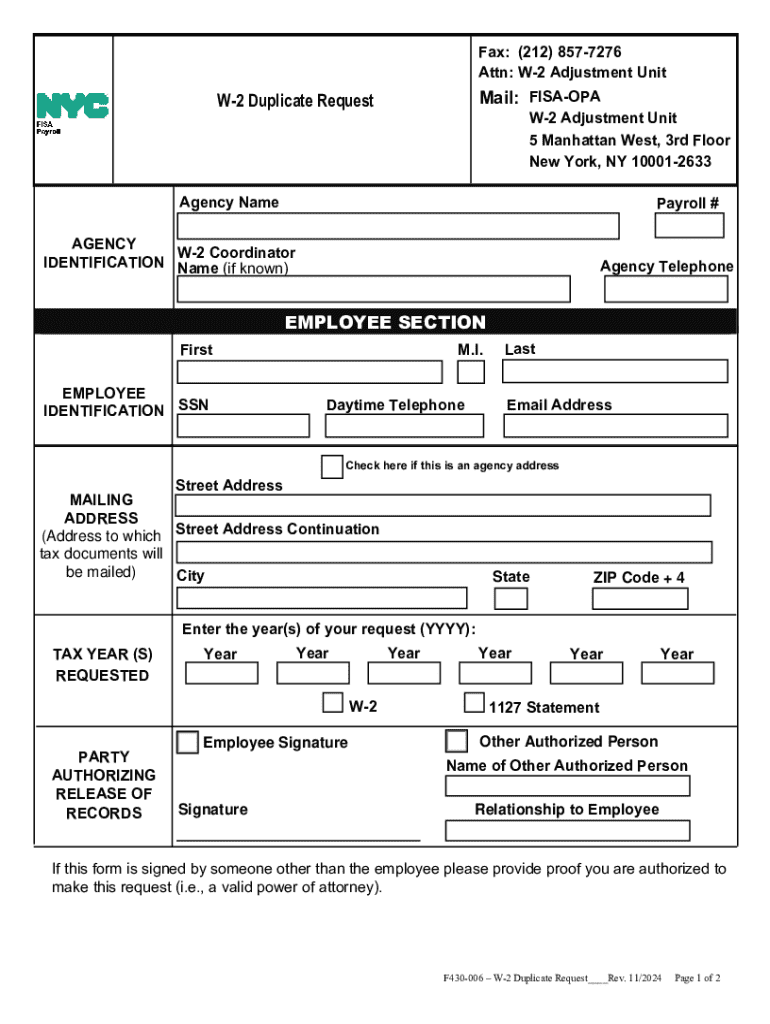







Definition and Meaning of PVB
The Primary Virtual Book (PVB) refers to a document form used for various purposes, often characterized by its ability to streamline documentation tasks. It is a versatile form that can be used in contexts such as taxation, legal agreements, and business documentation. Unlike traditional paper forms, the PVB is designed for digital environments, allowing for easier completion, submission, and processing. Its flexibility and compatibility with different digital platforms make it a preferred choice for modern document management.
Practical Applications
- Taxation: PVBs are often used in tax-related document preparation and submission, providing a more efficient means for individuals and businesses to report financial information.
- Legal Documentation: Legal documents can be structured using a PVB to facilitate electronic signing and sharing, enhancing the speed and security of legal transactions.
- Business Management: Companies use PVBs to gather data, solicit feedback, and finalize contracts, all while maintaining a digital record that can be easily accessed and modified.
Real-World Example
Consider a small business owner who needs to file their taxes electronically. By using a PVB tailored for tax purposes, they can enter their data, submit the form to their accountant, and ensure it's sent to the relevant governmental body—all without printing a single page.
How to Use the PVB
Understanding how to effectively utilize a PVB is crucial for maximizing its benefits. Below are practical steps and scenarios where using a PVB can streamline tasks.
Step-by-Step Process
- Access the PVB: Obtain the form from a reputable source, ensuring it is the correct version for your particular need.
- Fill Out the Form: Use software compatible with PVB formats, such as DocHub, to enter information. Ensure all necessary fields are filled accurately.
- Review and Edit: Double-check entries for accuracy. Use built-in editing tools to correct any mistakes.
- Authenticate and Sign: Utilize electronic signature features to authenticate the document legally.
- Submit: Once completed, submit the form through the appropriate channel. This might include filing through an online portal, sending via email, or uploading to a secure cloud service.
Tips for Effective Use
- Software Selection: Choose software that integrates with your existing systems, like Google Workspace, to minimize disruptions in your workflow.
- Security Considerations: Ensure data protection through encryption and password protection features.
Steps to Complete the PVB
To successfully complete a PVB, follow a structured approach that ensures thoroughness and compliance.
Detailed Procedure
- Prepare Necessary Information: Gather all relevant data before beginning. This might include financial statements, personal identification numbers, or business registration details.
- Navigate to Required Sections: Use headings and subheadings to find necessary sections quickly. This ensures you don't overlook any required information.
- Enter Data Systematically: Start with general information before moving on to specific sections.
- Validate Entries: Look for audit fields that can guide you in checking the correctness of entries.
- Save and Protect Document: Use features that allow for automatic saves and data encryption.
Common Mistakes
- Data Entry Errors: Double-check numbers and codes to avoid common entry mistakes.
- Incomplete Fields: Ensure all mandatory fields are filled to prevent submission delays.
Key Elements of the PVB
Recognizing the critical components of a PVB allows for more efficient completion and use.
Essential Components
- Identification Information: Basic fields that require personal or entity details. Often the first section to complete.
- Purpose-Specific Sections: Fields tailored to the form's specific use, such as financial data or legal statements.
- Signature Fields: Digital areas designed for acquiring electronic signatures, ensuring legal authenticity.
- Submission Instructions: Guidance on how and where to submit the completed form.
Tailoring to Specific Needs
Forms can often be customized to include or exclude certain sections depending on the industry or purpose. This adjustability enhances the form’s relevance and utility for different users.
Important Terms Related to PVB
Familiarity with key terminology associated with PVBs is essential for efficient use and understanding.
Key Terminology
- Digital Signature: An electronic mechanism to verify the authenticity of a document and its signer.
- Encryption: The process of converting information into a secure format, making it inaccessible without proper authorization.
- Form Fields: Designated areas in the PVB where users enter specific information.
Usage Context
Understanding terms like "digital signature" are important when executing legal agreements digitally. Similarly, knowing about "encryption" informs better practices in data security.
Legal Use of the PVB
The legal framework surrounding the use of PVBs is important for compliance, especially in business and financial sectors.
Compliance with Regulations
- ESIGN Act: Ensures that electronic signatures on PVBs are legally binding, similar to traditional handwritten signatures.
- Data Protection Laws: Regulations that mandate secure handling of information contained within PVBs.
Best Practices
- Audit Trails: Always maintain record trails for accountability and future auditing.
- Regular Software Updates: Keep digital tools updated to protect against security vulnerabilities.
Eligibility Criteria
Determining eligibility for using a PVB form may vary across applications.


Factors Influencing Eligibility
- Purpose of Use: Certain forms may be restricted to specific functions, like business registration or tax filings.
- User Credentials: Verification may be required to use certain PVBs securely and legally.
Example Use Case
In a tax filing scenario, businesses must verify their tax ID numbers to access and submit PVBs designed for tax purposes.
Filing Deadlines and Important Dates
Timely completion and submission of a PVB can prevent unnecessary penalties or delays.
Important Considerations
- Submission Deadlines: Know the due dates for the specific use of your PVB to ensure compliance.
- Grace Periods: Some forms may allow for late submissions with stipulated penalties, offering a buffer period for correction.
Maintaining Compliance
Planning the completion of PVBs with a calendar integration can help in tracking deadlines effectively. This ensures that all obligations are met promptly, reducing the risk of penalties or other legal issues.
By following these comprehensive guidelines and understanding the various aspects of the PVB, users can make full use of its capabilities while complying with necessary legal and technical requirements.