
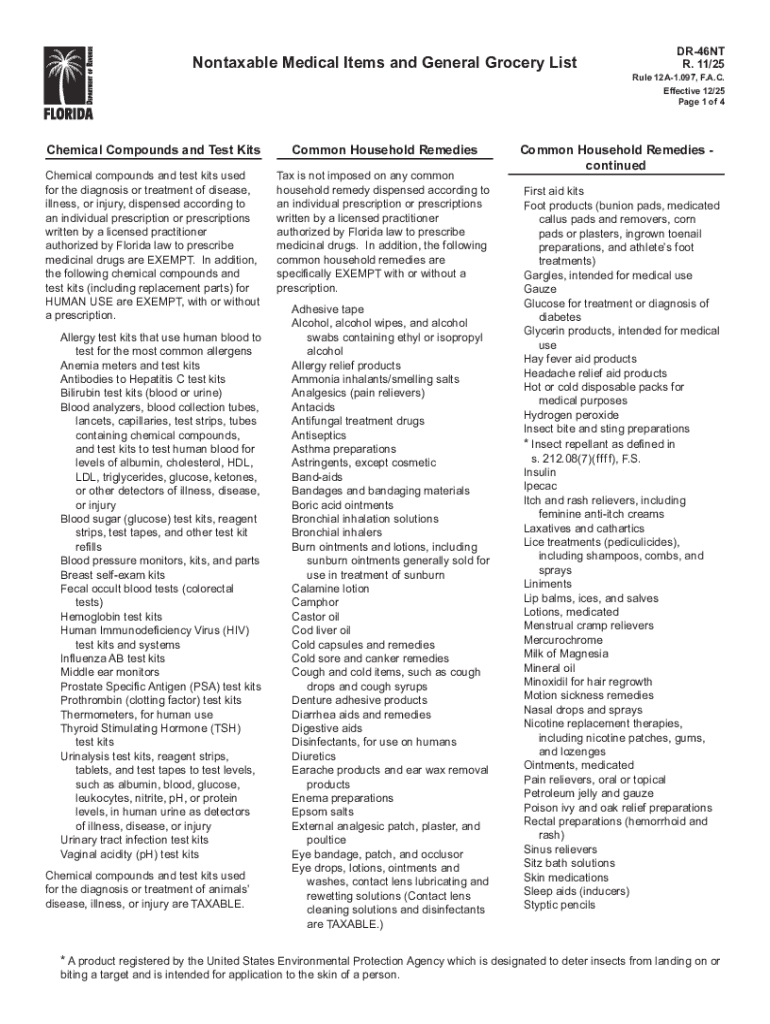







Definition & Meaning
Understanding the concept of "form online" is crucial for modern digital workflows. An "online form" is a digital interface designed to collect and process information via the internet. These forms are integral to the document management systems offered by platforms like DocHub. They allow for seamless data gathering without physical paperwork, transforming how users interact with documents, such as surveys, applications, questionnaires, and contracts. By enabling real-time data collection and analysis, these online forms enhance efficiency and accuracy, providing instant access and processing capabilities to users across various sectors.
How to Use the Form Online
Using an online form through DocHub begins with accessing the platform via a web browser on either a desktop or mobile device. Once logged in, you can choose to create a new form or edit an existing one. DocHub’s intuitive interface simplifies the process with a drag-and-drop feature for adding various form elements, such as text fields, checkboxes, and dropdown menus. Users can customize these elements to suit their specific needs and set rules for field completion, ensuring that all necessary information is acquired. Upon completion, the form can be sent to recipients via email, streamlining data collection and diminishing the need for physical document exchange.
Steps to Complete the Form Online
- Access DocHub Platform: Open DocHub in your web browser.
- Begin a New Form: Select ‘Create Form’ from the dashboard.
- Add Form Fields: Use the drag-and-drop tool to insert text fields, checkboxes, and signature fields.
- Customize and Configure: Set field attributes like required fields, recipient roles, and sequence of completion if needed.
- Review and Finalize: Verify that the form fields are correct and test the form’s logic, ensuring the process flows as intended.
- Share the Form: Distribute the form through email or a direct link.
Completing these steps allows for efficient document management and information collection, fully leveraging the online capabilities.
Why Should You Form Online
Opting for online forms over traditional paper forms brings numerous advantages:
- Efficiency: Reduces the time and cost associated with printing, mailing, and manually handling paper forms.
- Accessibility: Allows users to access and complete forms from anywhere with internet connectivity, supporting remote work and global collaboration.
- Accuracy: Minimizes human error by automating data entry and validation processes, ensuring data integrity.
- Real-time Processing: Instantly collects and processes information, allowing for quick data compilation and response actions.
These benefits underline the importance of transitioning to digital solutions for form management in today's fast-paced environment.
Important Terms Related to Form Online
Understanding certain terms is essential for efficient use of online forms:
- Drag-and-Drop: A user-friendly method to place form elements on a canvas.
- Form Field: Element in a form for capturing specific data, such as text inputs or selections.
- Validation Rules: Conditions set to ensure data entered is correct and complete.
- Encryption: Security process to protect data in transit and at rest.
- Recipient Role: Defines the permissions and tasks assigned to each user of a form.
These terms form the backbone of creating secure and effective online forms.
Key Elements of the Form Online
Successful online forms typically include:
- Title and Instructions: Clear guidance on the purpose and use of the form.
- Structured Data Fields: Organized sections for different types of data, like contact details and feedback.
- Validation Checks: Ensures that mandatory fields are filled out correctly.
- Submission Confirmation: Informs users that their data has been successfully received.
- Accessibility Features: Makes forms usable for those with disabilities, adhering to equal access principles.
Including these elements ensures functionality and accessibility, key to a user-friendly experience.
Digital vs. Paper Version
The transition from paper to digital forms involves several considerations:
- Storage and Retrieval: Digital forms are easily stored and retrieved, eliminating physical storage needs.
- Environmental Impact: Reduces paper waste, supporting eco-friendly initiatives.
- Ease of Editing: Digital forms allow quick and easy updates, unlike static paper forms.
- Data Analysis: Automatically collects data in formats that are ready for analysis.
Choosing digital over paper forms enhances operational efficiency, cuts costs, and aligns with sustainable practices.
Software Compatibility
Ensuring compatibility with various software systems is vital:
- DocHub Integration: Seamless with Google Workspace, enhancing productivity.
- Third-party Software: Compatibility with popular accounting and business software like QuickBooks and TurboTax, ensuring seamless data transfer for financial documentation.
- Cloud Storage Services: Direct integration with Google Drive, Dropbox, and OneDrive for efficient file management.
This compatibility supports a streamlined workflow, allowing easy access and manipulation of digital documents across platforms.




