
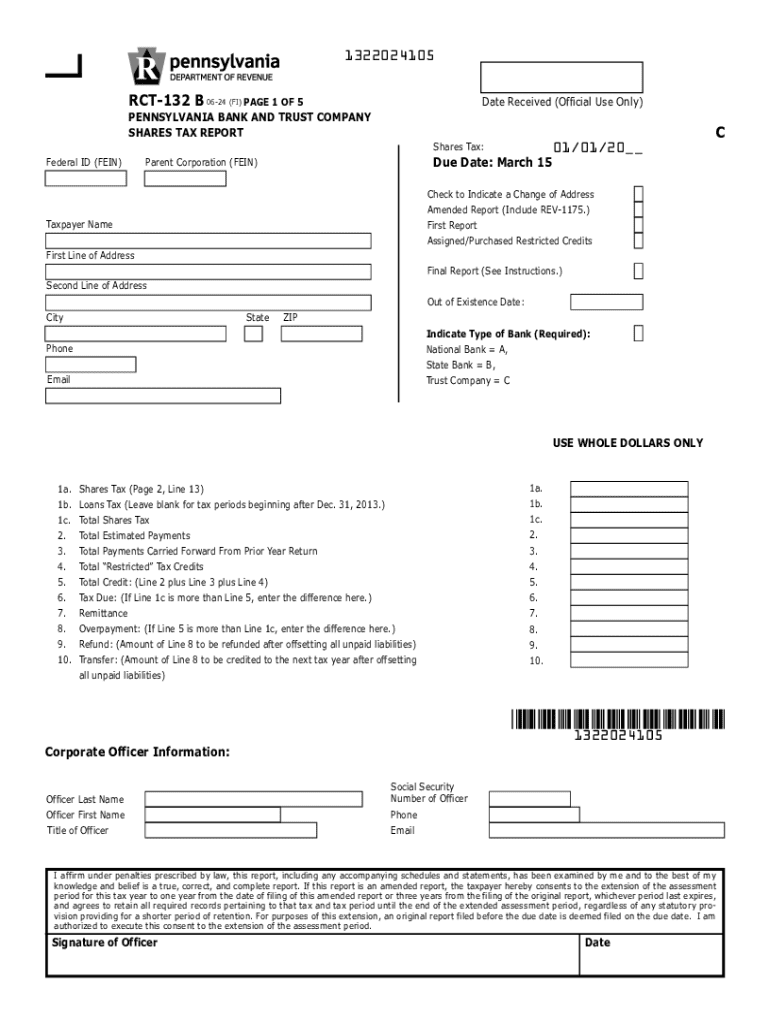







Definition and Meaning
The term "form online" refers to any digital document that is designed to collect information over the internet. These forms can be used for various purposes, such as applications, surveys, registrations, and more. Unlike traditional paper forms, online forms provide a convenient and efficient way for users to input and submit data directly through web-based platforms. DocHub, for instance, facilitates the creation, editing, and management of such forms, allowing users to convert existing documents into interactive templates effortlessly.
How to Use the Form Online
Utilizing online forms involves a straightforward process that begins with accessing the form through a web browser. Once accessed, users can fill in the required fields. With platforms like DocHub, these forms can be enhanced with interactive elements such as text boxes, checkboxes, and even signature fields. After completing the form, users typically have options to submit it directly online or save and share it with others. This approach not only saves time but also ensures data accuracy and security during the submission process.
Steps to Complete the Form Online
- Access the Form: Locate the form through a provided link or by logging into the platform hosting it.
- Fill in Personal Details: Enter basic information such as name, contact details, and any other requested personal data.
- Provide Specific Information: Input the data requested in various sections. This can include multiple-choice answers, essay questions, or numerical data.
- Review and Edit: Double-check the entered information for accuracy and completeness before submission.
- Submit the Form: Use the provided submission button to send the form electronically to the designated recipient.
Why Should You Form Online
Choosing to fill out forms online offers numerous benefits, including enhanced convenience, increased efficiency, and improved data management. Online forms eliminate the need for physical paperwork, enabling quick processing and easy access from anywhere with an internet connection. Additionally, platforms like DocHub ensure secure data handling with encryption and authentication protocols, making online submissions safer than traditional methods.
Who Typically Uses the Form Online
Online forms are widely used across different sectors, including education, healthcare, business, and government. They are popular among professionals who need to submit routine information for processes like applications, compliance, and reporting. Students and educators often rely on online forms for academic submissions and evaluations. Businesses use them for customer feedback, market research, and operational processes, while government agencies utilize them for applications and data collection.


Legal Use of the Form Online
The legality of using online forms, particularly for collecting personal and sensitive information, hinges on compliance with relevant data protection laws and guidelines. In the United States, the ESIGN Act ensures that electronic forms and signatures are legally binding, provided they meet specific standards. Platforms like DocHub adhere to these legal requirements by facilitating secure data transfer and offering options for recipient verification, making online forms a reliable choice for legal documentation and submission.
Key Elements of the Form Online
- Interactive Fields: Text boxes, dropdown lists, and checkboxes that facilitate data entry.
- Validation Mechanisms: Processes that ensure the accuracy of the data being entered, such as required fields and format checks.
- Security Features: Encryption protocols to protect user data during transmission and storage.
- Mobile Compatibility: Adaptability for completion on various devices, including smartphones and tablets.
- Submission Confirmation: Acknowledgments or receipts generated upon successful submission.
Required Documents
When completing an online form, especially those related to applications or legal documentation, certain supporting documents may be required. These can include:
- Identification Proof: Scanned copies of government-issued IDs, passports, or driver’s licenses.
- Address Verification: Utility bills or official correspondence confirming residency.
- Additional Documentation: Depending on the form, other documents such as transcripts, certifications, or financial records might be necessary.
Properly preparing and uploading these documents ahead of time can streamline the form completion process and reduce potential delays.




