
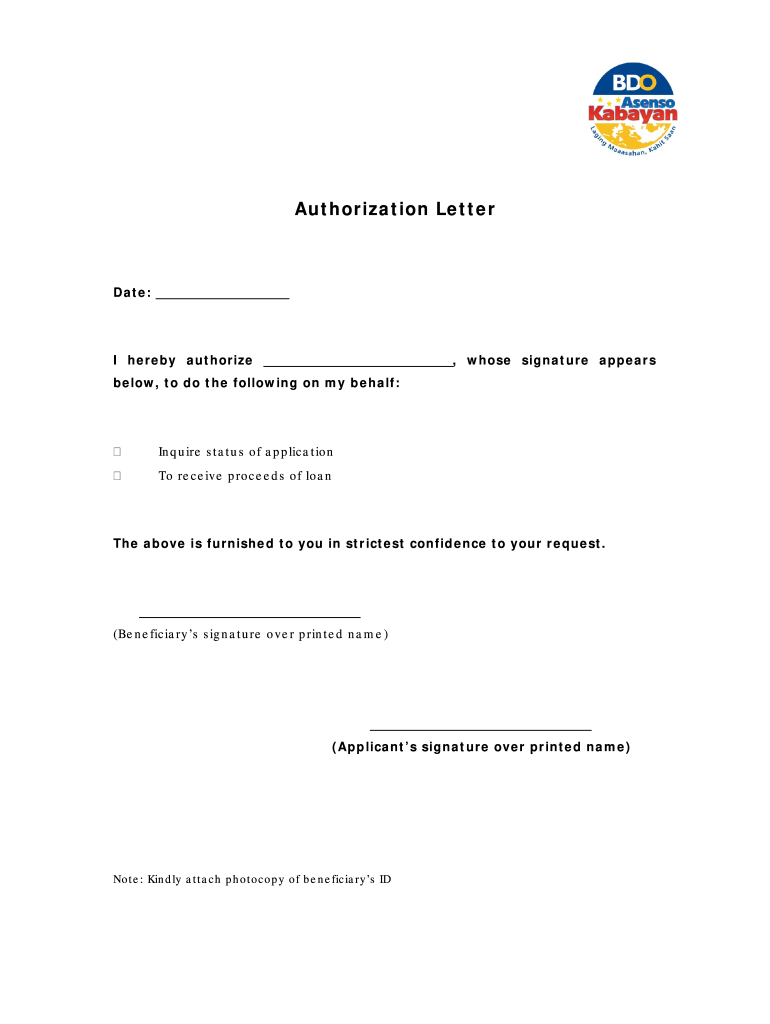







Definition & Meaning
An authorization letter is a formal document that enables an individual to grant permission to another person to perform specific tasks on their behalf. This type of letter is essential in situations where the original party cannot personally handle an issue, such as collecting documents, making financial transactions, or managing private affairs. By outlining the scope of permission, an authorization letter ensures that the delegate can legally act on behalf of the authorizing party, providing a clear, traceable record of the granted permissions.
This document must include certain key elements, such as the names of both parties, the specific authorization granted, and any limitations on the scope of authority. All of these details help protect both parties by establishing clear expectations and preventing misuse of the authority granted.
How to Use the Authorization Letter
Utilizing an authorization letter involves a few straightforward steps to ensure that it is legally binding and effective. First, determine the specific task that requires delegation and clearly define the scope of authority you intend to grant. The authorization letter should detail what actions the delegate is permitted to take on your behalf.
Next, include the full names and contact information of both the principal (the person granting authority) and the agent (the person receiving authority). Ensure that both parties sign the document to confirm their consent, and if required or beneficial, have the letter notarized for added legal weight.
Steps to Complete the Authorization Letter
-
Identify Key Details: Begin by specifying your full name and address, as well as the recipient's name and address. State the relationship between the two parties to contextualize the delegation of authority.
-
Define the Scope: Explicitly outline the tasks or responsibilities that the recipient is authorized to perform. Include any specific conditions, such as timeframes or locations, related to the authorization.
-
State Effective Dates: Clearly mention the start and end dates of the authorization period. This helps prevent the misuse of the letter after its intended purpose has been fulfilled.
-
Include Necessary Signatures: Both the authorizing party and the recipient must sign the document. If possible, get the letter notarized to validate its legitimacy further.
-
Distribution and Copies: Provide copies to all relevant parties and retain one for your records to ensure that all involved are aware of the authority granted.
Key Elements of the Authorization Letter
- Full Names: Clearly specify the full legal names of both the authorizing party and the agent.
- Contact Information: Include comprehensive contact details to facilitate communication if required.
- Scope of Authority: Define the specific actions the agent is permitted to perform. Ensure these are clearly outlined to prevent any misunderstandings.
- Validity Period: Mention the exact dates during which the authorization is valid, ensuring no room for ambiguity.
- Signatures: Both the authorizing party and the agent must sign the document. A notarization may be required depending on the sensitivity or legal significance of the tasks authorized.
Legal Use of the Authorization Letter
Authorization letters are widely used in various legal contexts. For example, they are often required when delegating the collection of confidential documents or authorizing someone to access sensitive information. The letter serves as a legal guarantee that the agent is acting within the agreed parameters, thus protecting both parties from liability.
When drafting an authorization letter, it's crucial to consider any relevant legal requirements, such as state-specific regulations or the need for notarization in some cases. Ensuring compliance with these regulations helps maintain the letter's validity and enforceability.
Examples of Using the Authorization Letter
- Financial Transactions: A common use for an authorization letter is to permit someone to perform banking transactions on behalf of another, such as withdrawing money or signing checks.
- Document Collection: Authorization letters can enable someone to collect official documents, such as passports or medical records, on another's behalf.
- Representation: Businesses may use authorization letters to authorize employees to represent them in meetings or negotiations.
Each of these scenarios requires a clearly defined scope of authorization to ensure that the agent acts within the expected boundaries.
Important Terms Related to the Authorization Letter
- Principal: The person granting authority to another party.
- Agent: The person receiving authority to act on behalf of the principal.
- Notarization: The process of certifying a document to ensure its authenticity, often required for official or legal use.
- Scope of Authority: The defined limits and responsibilities that the agent is empowered to perform under the authorization letter.
Understanding these terms is vital for effectively creating and using an authorization letter.
State-Specific Rules for the Authorization Letter
Different states may have unique requirements for authorization letters. For instance, some states might mandate notarization for certain types of authorizations, especially in banking or legal contexts. It's crucial to research these state-specific rules to ensure compliance and avoid potential legal issues.
Being aware of any variations in legal requirements across states helps in drafting an authorization letter that is both effective and legally sound, reducing the risk of challenges to its validity.




