
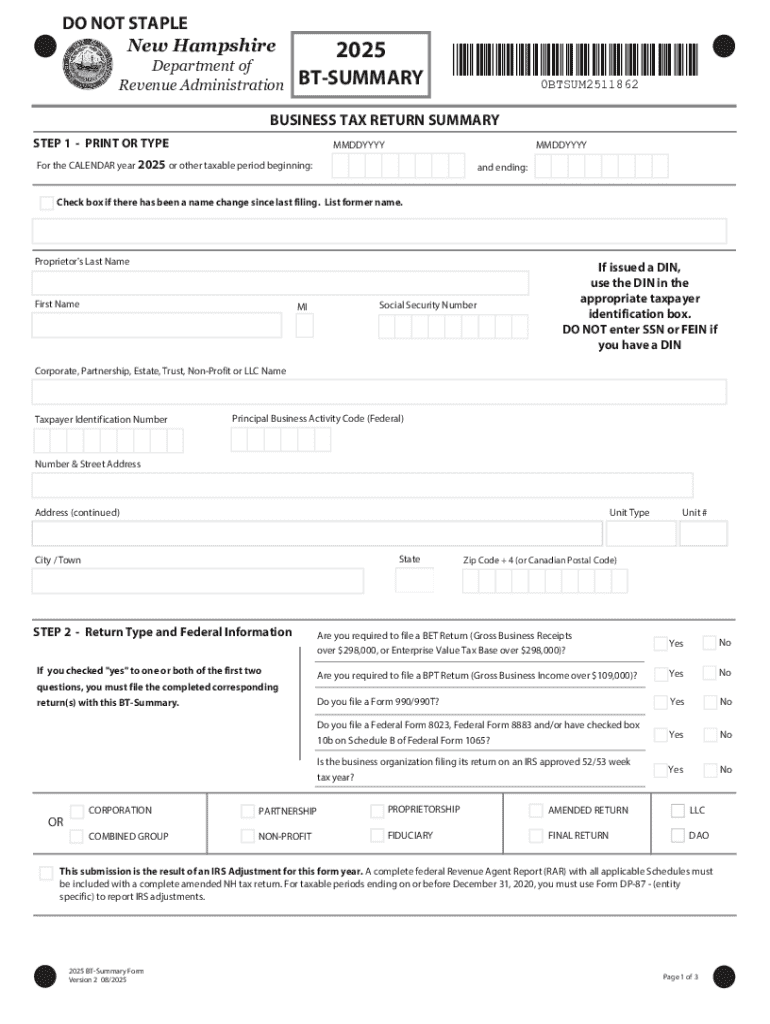







Definition and Meaning of Form Online
The term "form online" refers to a digital version of traditional paper forms, accessible via the internet for various purposes such as data collection, applications, registration, and more. These forms offer opportunities to streamline processes, allowing users to input, submit, and, when necessary, electronically sign their information through a web platform. In a professional setting, forms online have become essential for efficiently managing and organizing information across different sectors, from corporate environments to educational institutions.
Benefits of Using Forms Online
- Convenience: Forms online are accessible from any device with internet connectivity, allowing users to fill them out without physical constraints.
- Efficiency: Data collected is automatically compiled, reducing the need for manual data entry and minimizing errors associated with paper forms.
- Environmentally Friendly: Eliminating paper forms reduces the environmental impact and supports sustainable business practices.
- Security: Advanced encryption ensures that sensitive information collected is protected during and after submission.
Steps to Complete the Form Online
Completing a form online involves several straightforward steps, ensuring that users can efficiently provide accurate information.
-
Access the Form: Locate the form online via the specific platform or website hosting it. Registration or account creation may be required for certain forms.
-
Read Instructions Carefully: Review all instructions provided at the beginning of the form to understand the requirements and sections involved.
-
Fill Out Required Fields: Enter information into all required fields. These are usually marked with an asterisk (*) or similar indicator, and omitting them could prevent submission.
-
Review for Accuracy: Check all entered information for correctness and completeness to avoid delays in processing.
-
Attach Necessary Documents: Upload any required supporting documents in the correct format, if applicable.
-
Submit the Form: Complete the submission by clicking the designated button, often labeled "Submit" or "Send".
Common Errors to Avoid
- Ensuring all mandatory fields are completed.
- Checking for typographical errors.
- Verifying attachments are in the correct format and size limit.
How to Obtain the Form Online
Acquiring a form online is essential for initiating data submission processes in a digital context. The process can differ depending on the organization's setup.
Access Methods
- Direct Download from a Website: Many organizations provide downloadable forms directly from their websites.
- Email Requests: Some forms can be requested and received through an email communication system.
- Cloud Service Integration: Utilize platforms like Google Workspace to access and manage forms directly from cloud storage services.
Key Elements of the Form Online
Understanding the structure of forms online is crucial for completing them efficiently and accurately.
Typical Components
- Title and Header Information: Provides context about the purpose of the form.
- Sections and Subsections: Organized into logical categories for systematic completion.
- Form Fields: Includes text boxes, checkboxes, dropdown menus, date selectors, and more for entering information.
- Submission Controls: Includes buttons for submitting, saving, or resetting the form fields.
Software Compatibility
Online forms can often be integrated with various software systems, enhancing ease of use and accessibility.
Popular Software
- DocHub: Offers editing, signing, and form conversion tools all online without additional installations.
- Google Workspace: Facilitates direct form uploads and downloads involving Google Drive.
Digital vs. Paper Version
There are distinct differences between filling out forms online and their paper counterparts.
Digital Advantages
- Accessibility: Forms online are accessible across multiple devices anytime.
- Updates and Corrections: Easier to update information or make changes without excessive waste.
- Automatic Saving: Options to automatically save progress in real-time.
Paper Form Limitations
- Time invested in printing and mailing.
- Prone to physical damage and loss.
Examples of Using the Form Online
Forms online are employed widely across different domains for varied applications.
Real-World Scenarios
- Tax Filing: Electronic forms for submitting tax information to the IRS.
- Job Applications: Online submission of resumes and applications.
- School Registrations: Enrolling in courses or programs.
Legal Use of the Form Online
Utilizing forms online must adhere to specific legal standards to ensure compliance.
Regulations and Compliance
- ESIGN Act: Electronic signatures on forms online must comply with this act to be legally binding.
- Privacy Laws: Ensure data protection practices comply with laws like GDPR (in applicable contexts) or HIPAA in healthcare.
Importance of Legal Compliance
- Protects both the organization and users from potential legal issues.
- Reinforces trust and reliability in digital transactions.




