
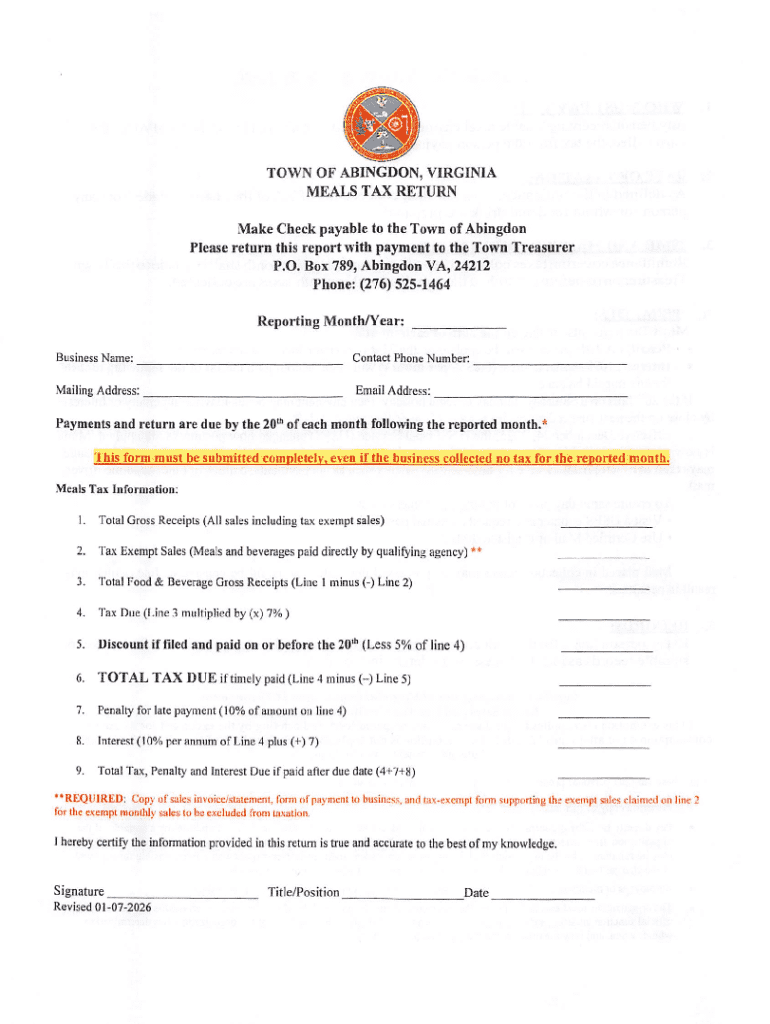







Definition & Meaning
Forms online are digital versions of traditional paper forms that can be filled out and submitted via the internet. These forms are utilized for various purposes, including applications, registrations, data collection, and more. This approach eliminates the need for physical paperwork, making processes more efficient and accessible. Online forms can include various fields such as text areas, checkboxes, dropdown menus, and electronic signature provisions, ensuring comprehensive data gathering.
How to Use the Form Online
Navigating an online form typically involves a few straightforward steps:
- Access the Form: Begin by visiting the website where the form is hosted. Ensure you have a stable internet connection for a seamless experience.
- Fill in Details: Complete each section of the form. This may include entering personal details, selecting options from dropdown menus, or ticking checkboxes.
- Attach Documents: Some forms may require you to upload supporting documents. Ensure your files are in the correct format and within any specified size limits.
- Review Your Entries: Before submitting, double-check your entries for accuracy to avoid mistakes that might delay processing.
- Submit: Once you're satisfied with all entries, submit the form. You may receive a confirmation email or message upon successful submission.
Steps to Complete the Form Online
Successfully completing an online form requires meticulous attention to detail:
- Understand the Requirements: Familiarize yourself with the form’s purpose and the information required before starting the process.
- Gather Necessary Information: Collect all needed information and documents before you begin filling out the form.
- Enter Information Accurately: Carefully input your data into the form fields, paying close attention to mandatory fields marked with an asterisk (*).
- Save Progress: If possible, periodically save your progress to prevent loss of information due to unexpected technical issues.
- Submit and Confirm: After submission, verify that the form has been received. Look out for confirmation emails or reference numbers provided at the end of the process.
Advantages of Online Forms
Using forms online offers several benefits that contribute to a more streamlined process:
- Time Efficiency: Online forms reduce the time spent on filling and submitting paperwork compared to traditional methods.
- Accessibility: Forms can be accessed from any device with an internet connection, making them convenient for a wide range of users.
- Error Reduction: Features like validation checks help minimize errors by ensuring that all required fields are filled before submission.
- Environmentally Friendly: Reduces the reliance on paper, contributing to environmental conservation efforts.
Who Typically Uses Online Forms
A broad range of individuals may use online forms, each with specific needs:
- Job Seekers: For submitting resumes and cover letters.
- Students: For applications and enrollment processes.
- Businesses: To gather customer feedback or conduct market research.
- Government Agencies: For citizen services like license renewals or applications for benefits.
- Healthcare Providers: For patient registration or appointment scheduling.
Key Elements of the Form Online
Online forms often consist of several key components designed to optimize data entry:
- Title and Instructions: Provides context and guidelines on completing the form.
- Input Fields: For users to enter specific data like names, addresses, or identification numbers.
- Validation Indicators: Alert users if entered data is incorrect or incomplete.
- Submission Button: Final step for sending information to the recipient or host system.
- Confirmation Message: Indicates successful form submission.
Security and Privacy Considerations
When completing forms online, ensuring the security and privacy of your data is crucial:
- SSL Encryption: Look for forms secured with SSL (Secure Sockets Layer) to protect your information during transmission.
- Data Protection Policies: Review the host’s privacy policy to understand how your data will be used and stored.
- Secure Access Protocols: Verify that the website uses secure sign-in methods, such as OAuth 2.0, to protect account access.
Digital vs. Paper Version
The choice between digital and paper forms comes down to several factors:
- Convenience: Digital forms offer accessibility and ease of use, whereas paper forms require physical collection and submission.
- Speed: Electronic submissions are processed quicker due to automated data entry systems.
- Error Correction: Digital forms allow for easy corrections and updates, unlike paper forms which may require new submissions.
- Cost-Effectiveness: Reducing paper use decreases costs associated with printing and storage.




