






Definition & Meaning
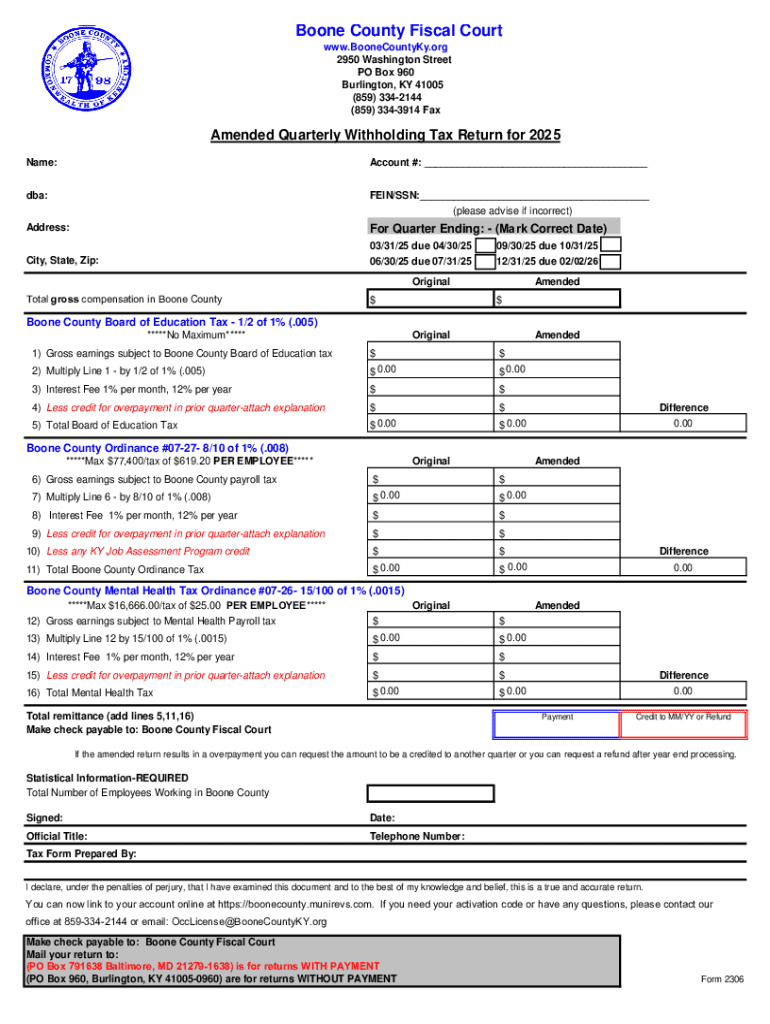
The "2026 Tax Forms" refer to a collection of official documents mandated by the Internal Revenue Service (IRS) for reporting income and calculating taxes owed for the tax year 2026. These forms serve as a means for individuals, businesses, and entities to provide essential financial information to the IRS. Understanding the specific forms required for your situation is crucial as each form targets different reporting needs, such as income from employment, investments, business operations, or self-employment. For instance, individuals might use Form 1040 for typical income reporting, while businesses could use forms like the 1120 for corporate tax returns.
Important Terms Related to 2026 Tax Forms
Accurate completion of the 2026 Tax Forms often requires familiarity with terms like gross income, adjusted gross income (AGI), tax credits, deductions, and exemptions. These components have significant implications on the final tax liability. Gross income includes all earnings such as wages and dividends, whereas AGI deducts specific expenses like student loan interest. Understanding these terms is essential for calculating taxable income and maximizing available credits and deductions.
Steps to Complete the 2026 Tax Forms
- Collect All Documents: Gather W-2s, 1099s, interest statements, and receipts for deductions.
- Review IRS Instructions: Ensure you understand the guidance for each applicable form.
- Complete Identification Details: Fill in personal or business identification sections accurately, including Social Security Number or Employer Identification Number.
- Report Income: Enter all sources of income in the appropriate sections.
- Calculate Deductions: List applicable deductions to lower taxable income.
- Apply Credits: Identify and apply any eligible tax credits.
- Determine Final Tax Liability: Complete the form to calculate the total tax owed or refund due.
- Cross-Check Entries: Review all entries for accuracy to avoid errors.
How to Obtain the 2026 Tax Forms
Individuals and businesses can obtain the 2026 Tax Forms through several methods. These forms are available for download on the IRS website, where you can find fillable PDFs. Alternatively, you can access them through tax software programs, which often integrate the latest forms within their platforms for easier completion and submission. Paper copies can also be requested directly from the IRS or picked up from local IRS offices and some public libraries.
State-Specific Rules for the 2026 Tax Forms
While federal tax forms provide a standard, many states have specific requirements that must be met for state income taxes. Depending on your residency or business operation, you'll need to align with state-specific adaptations of these federal forms or additional state forms. For example, states like California or New York have unique adjustments and credits that are not applicable in other states. Reviewing the state's Department of Revenue or Taxation website provides the necessary guidelines and forms.
Legal Use of the 2026 Tax Forms
Filing the 2026 Tax Forms accurately is not only a legal obligation but also a crucial aspect of personal or business fiscal management. Misreporting income, failing to apply the appropriate deductions, or neglecting to submit required forms can lead to legal ramifications such as audits, fines, and penalties. Taxpayers must ensure all assertions made on these forms are truthful and supported by documentation to maintain compliance with federal and state tax laws.
Software Compatibility
Completing 2026 Tax Forms has been streamlined through comprehensive compatibility with tax preparation software, including popular platforms like TurboTax and QuickBooks. These software solutions assist taxpayers by automatically importing information, checking for common errors, and ensuring that the latest tax laws are applied. Comprehensive tutorials and customer support also help guide users through the process, making it easier to file confidently and accurately.
Filing Deadlines / Important Dates
For the 2026 tax year, ensure the submission of federal tax forms by April 15, 2027, for timely processing, unless an extension has been filed. Understanding these deadlines is essential to avoid late filing penalties and interest on unpaid taxes. Businesses have various deadlines depending on entity type—for example, partnerships (Form 1065) and S corporations (Form 1120S) typically file by March 15. Marking these dates ensures compliance and financial preparedness.