




01. Edit your form online
Type text, add images, blackout confidential details, add comments, highlights and more.

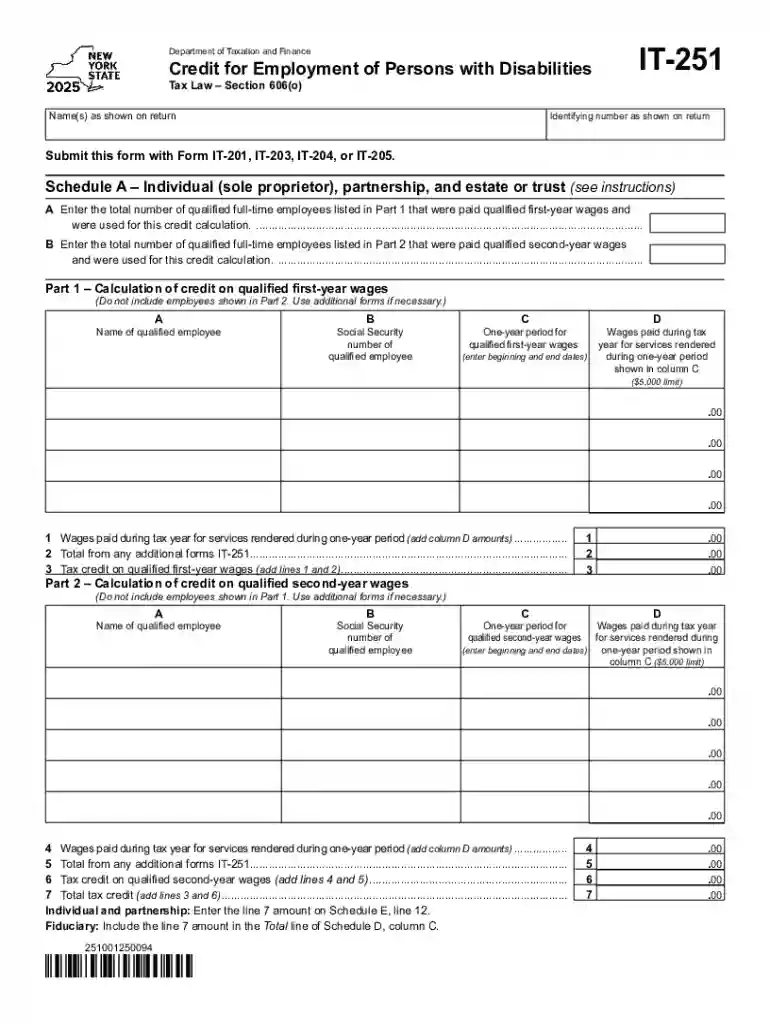
Type text, add images, blackout confidential details, add comments, highlights and more.

Draw your signature, type it, upload its image, or use your mobile device as a signature pad.

Send it via email, link, or fax. You can also download it, export it or print it out.
The Claim for Credit for Employment of Persons with Disabilities is a tax incentive provided by the Internal Revenue Service (IRS) to encourage businesses to hire individuals with disabilities. This credit aims to support the integration of disabled persons into the workforce by offsetting a portion of the costs employers incur when hiring them. By reducing tax liabilities, the credit provides financial relief to businesses, encouraging them to offer employment opportunities to a wider, more inclusive range of candidates.
Integrating disabled individuals into the workforce not only supports them financially but also enriches the workplace culture with diverse perspectives and skills.
Businesses across various sectors are eligible to use this credit, particularly those committed to inclusive hiring practices. While any employer hiring individuals with disabilities might qualify, there are specific types of organizations that often utilize this form:


To claim this credit, employers need to meet specific criteria set forth by the IRS:

Employers interested in this credit can acquire the necessary form through these methods:
Employers can request paper forms from IRS offices or professional tax services, where these are available for public use.
Following the correct procedural steps ensures accurate and timely submission:
While the credit is federally regulated, some states may have additional rules or benefits:
Understanding each section of the form is critical for correct completion:
The credit must be used in compliance with federal and state tax laws, ensuring that all claims are legitimate and verifiable:
Employers must stay informed of any changes to IRS regulations or eligibility criteria that might affect future claims.
We've got more versions of the Claim for Credit for Employment of Persons with Disabilities form. Select the right Claim for Credit for Employment of Persons with Disabilities version from the list and start editing it straight away!
At DocHub, your data security is our priority. We follow HIPAA, SOC2, GDPR, and other standards, so you can work on your documents with confidence.
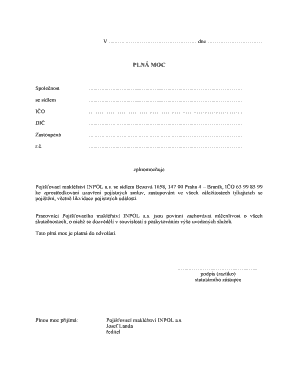


Disability insurance provides partial wage replacement benefits to eligible California workers who are unable to work due to a non-work-related illness,
Feb 8, 2018 You can claim the credit on Form 1040 or 1040A. You figure the credit on Schedule R, Credit for the Elderly or the Disabled. For moreRead more
Feb 13, 2025 The Work Opportunity Tax Credit (WOTC) provides a tax credit for employers who hire certain targeted low-income groups, including SSI recipientsRead more


