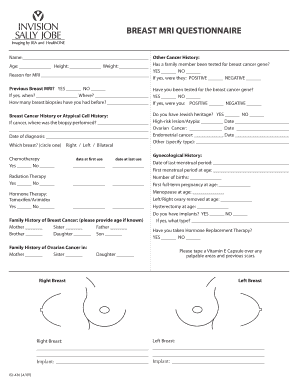
Definition and Meaning of Anatomical Diagrams-Skin Surface Assessment
Anatomical Diagrams-Skin Surface Assessment refers to the process of documenting skin conditions or injuries using detailed diagrams that illustrate the anatomical layout of the skin. These diagrams serve as visual tools that help medical professionals, forensic experts, and other stakeholders accurately record and communicate the location and nature of findings such as cuts, bruises, abrasions, redness, swelling, bites, burns, scars, and stains. Employing such diagrams ensures that all observations are precisely noted and can be referenced consistently in medical records, legal proceedings, or research studies.
Key Elements of the Anatomical Diagrams-Skin Surface Assessment
Understanding the key components of these diagrams helps highlight their functionality and purpose:
- Diagram Layout: Typically features a front and back view of the human body, allowing for comprehensive documentation of all surfaces.
- Injury Types: Includes a range of potential findings like cuts, lacerations, and scars.
- Documentation Standards: Clear depiction and labeling standards to ensure uniformity and clarity in records.
- Use of Symbols and Annotations: Utilizes standardized symbols or color codes to represent different types of skin conditions for easy identification.
Steps to Complete the Anatomical Diagrams-Skin Surface Assessment
Conducting a thorough assessment involves several steps to ensure accuracy and completeness:
- Preparation: Gather necessary tools such as anatomical diagrams, markers, and standardized symbol lists.
- Initial Examination: Conduct a visual and physical inspection of the skin, noting any abnormalities or injuries.
- Diagram Marking: Carefully mark the identified locations and types of findings on the anatomical diagrams using appropriate symbols or annotations.
- Detail Specifics: Add notes or additional information regarding the severity, size, and characteristics of each finding.
- Review and Verify: Cross-check the completed diagrams for accuracy and completeness, ensuring all findings are correctly recorded.
Who Typically Uses the Anatomical Diagrams-Skin Surface Assessment
This form of assessment is commonly used by several professionals and sectors, each with specific objectives:
- Healthcare Providers: For documenting conditions or injuries during clinical evaluations or treatments.
- Forensic Experts: To systematically document evidence related to injuries in legal investigations.
- Insurance Adjusters: For validating claims related to medical injuries by providing detailed evidence.
- Research Scientists: To track and analyze patterns in dermatological studies or epidemiological research.


Examples of Using the Anatomical Diagrams-Skin Surface Assessment
Here are some scenarios where the use of anatomical diagrams proves beneficial:
- Medical Records: A dermatologist documenting a series of moles during a skin cancer screening.
- Legal Documentation: A coroner recording skin injuries during an autopsy in a criminal investigation.
- Insurance Claims: An assessor documenting the extent of burn injuries to verify a claim involving workplace accidents.
Legal Use of the Anatomical Diagrams-Skin Surface Assessment
Legal implications and uses of these diagrams come into play in various contexts:
- Evidence Collection: Used in court to present visual evidence of physical injuries or conditions.
- Compliance Documentation: Ensures that institutions comply with legal requirements for accurate medical record-keeping.
- Dispute Resolution: Provides a standardized reference in insurance disputes related to bodily injuries.
Software Compatibility for Anatomical Diagrams-Skin Surface Assessment
Several software platforms can aid in creating and managing anatomical diagrams for skin assessments:
- Document Editing Tools: Adobe Acrobat or DocHub for digitally marking and annotating diagrams.
- Healthcare Software: Electronic Health Records (EHR) systems with integrated diagram tools for clinicians.
- Legal Documentation Platforms: Software solutions used in legal practices that offer diagram annotation capabilities.
Important Terms Related to Anatomical Diagrams-Skin Surface Assessment
Familiarity with the following terms can enhance the understanding and application of these diagrams:
- Anatomical Landmarks: Key reference points used to accurately identify locations on the body.
- Standardized Symbols: Universally recognized icons or marks denoting specific findings.
- Dermatological Conditions: The variety of skin conditions that could be documented using these diagrams, such as erythema, eczema, or lacerations.
State-Specific Rules for the Anatomical Diagrams-Skin Surface Assessment
While anatomical diagrams are generally consistent, regulations and standards may vary by state:
- Documentation Requirements: Certain states may have specific mandates regarding the documentation of injuries or conditions.
- Legal Standards: Variances in how these assessments are applied or utilized in legal proceedings.
- Healthcare Compliance: State-based healthcare guidelines could influence how skin assessments are recorded and managed.
Each of these sections provides the user with comprehensive understanding and practical insights into effectively using the Anatomical Diagrams-Skin Surface Assessment form, supporting a wide array of applications from medical examination to legal documentation and insurance claims.