



01. Edit your form online
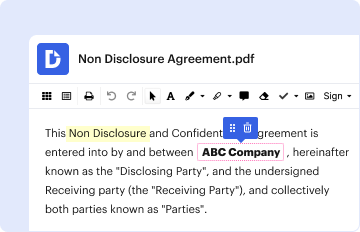
Type text, add images, blackout confidential details, add comments, highlights and more.

Type text, add images, blackout confidential details, add comments, highlights and more.

Draw your signature, type it, upload its image, or use your mobile device as a signature pad.

Send it via email, link, or fax. You can also download it, export it or print it out.
The "Sweeping Tax Reform in Louisiana" refers to comprehensive changes in the tax policies of the state aimed at reforming how taxes are imposed and collected. The goal of these changes may include simplifying the tax code, increasing competitiveness in attracting businesses, and enhancing state revenue streams. Broadly, this reform could affect individual income taxes, corporate taxes, sales taxes, or property taxes.
Understanding these reforms is crucial for taxpayers and businesses in Louisiana to ensure compliance and optimize their tax strategies.
Navigating tax requirements under the reform involves several critical steps. Each step is essential for ensuring accurate and compliant reporting.
These steps will help taxpayers adapt to the new tax landscape in Louisiana.
The reform encompasses several pivotal components aimed at modernizing tax legislation. Understanding these elements is critical for businesses and individuals in Louisiana.
These elements constitute the backbone of the tax reform, aimed at fostering a fair and efficient tax system.
Louisiana may implement state-specific rules that differ from federal guidelines, necessitating careful attention to local regulations.
These state-specific nuances require tailored strategies to ensure full compliance.
The reform could affect different taxpayer categories in varied ways. Here are some possible impacts:
It's important for each group to understand these potential changes to make informed decisions.


Different business structures might find various aspects of the reform favorable.
Analyzing these benefits can aid businesses in selecting or structuring their operations to maximize advantages.
Adhering to the reform requires an array of supporting documentation that proves eligibility for deductions or credits and verifies financial data.
Assembling these documents will provide a strong foundation for accurate tax reporting.
Meeting deadlines is crucial to avoid penalties and ensure compliance with the new tax system.
Familiarizing oneself with these dates ensures seamless adherence to the reform requirements.
We've got more versions of the Sweeping Tax Reform in Louisiana Brings Big Changes form. Select the right Sweeping Tax Reform in Louisiana Brings Big Changes version from the list and start editing it straight away!
At DocHub, your data security is our priority. We follow HIPAA, SOC2, GDPR, and other standards, so you can work on your documents with confidence.




Jan 26, 2026 sweeping legislative changes, and delivery DocHub Changes in Tax Law Made by the One Big Beautiful Bill Act Create Implementation.Read more
Oct 19, 2017 This publication explains how the federal tax laws apply to farming. Use this publication as a guide to figure your taxes and complete your farmRead more
Louisiana Individual Income Tax Reform Effective for 2025 and Future Tax Years Changes to the Alternative Fuel Tax Credit Brought About by Acts 219 and 427.Read more


