




01. Edit your form online
Type text, add images, blackout confidential details, add comments, highlights and more.

Type text, add images, blackout confidential details, add comments, highlights and more.

Draw your signature, type it, upload its image, or use your mobile device as a signature pad.

Send it via email, link, or fax. You can also download it, export it or print it out.
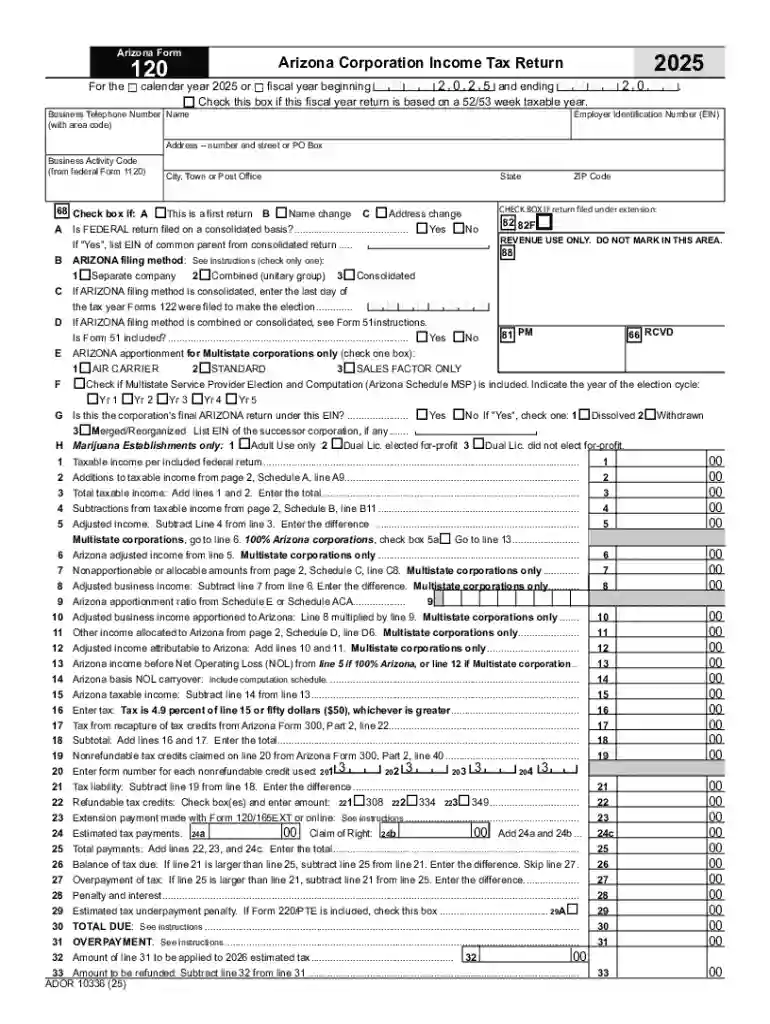
The Arizona Form 120 Corporation Income Tax Return 2025 is a document that corporations operating in Arizona must file to report their income and calculate the taxes owed to the state for the 2025 tax year. This form is part of Arizona's effort to ensure compliance with state tax laws and serves as a record of a corporation's financial activity within the state. It requires detailed financial information, including a corporation's income, deductions, and tax credits, and is a critical component of corporate tax compliance in Arizona.
Properly completing the Arizona Form 120 requires an understanding of various sections of the form. Corporations should gather all relevant financial documents, such as income statements and balance sheets, to accurately report their taxable income. It is vital to ensure all fields are filled out to prevent inadvertent errors that could lead to penalties.
Filing the Arizona Form 120 involves several steps that require careful attention to detail. Here is a step-by-step guide to help streamline the filing process:
Understanding the terminology associated with the Arizona Form 120 is crucial for accurate completion and submission. Here are some common terms you may encounter:
Meeting deadlines for submitting the Arizona Form 120 is essential to avoid penalties. Below are the significant dates to keep in mind:
Preparation and submission of the Arizona Form 120 necessitate specific documents. Corporations should ensure they have the following:
Failure to file the Arizona Form 120 or inaccuracies can lead to penalties. Understanding the potential repercussions can help prevent non-compliance.
Corporations can choose between digital and paper versions of the Arizona Form 120, each having its benefits and considerations.
Selecting the appropriate method depends on an entity's specific operational needs and resources.
We've got more versions of the Arizona Form 120 Corporation Income Tax Return 2025 form. Select the right Arizona Form 120 Corporation Income Tax Return 2025 version from the list and start editing it straight away!
At DocHub, your data security is our priority. We follow HIPAA, SOC2, GDPR, and other standards, so you can work on your documents with confidence.

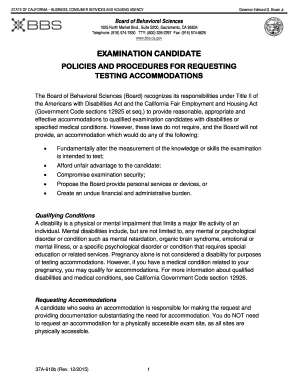
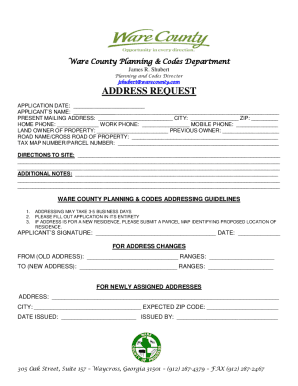


The corporation must show its 2026 taxable year on the 2025 Arizona Form 120 and take into account any tax law changes effective for tax years beginning after
Every corporation doing business in Arizona is required to file a corporate income tax return. Arizona Form 120 Corporate Income Tax returns for tax year 2011.Read more
Dec 30, 2021 If an emerging growth company, indicate by check mark if the registrant has elected not to use the extended transition period for complying withRead more


