






Definition & Meaning of Pass-Through Entity and Fiduciary Income Tax
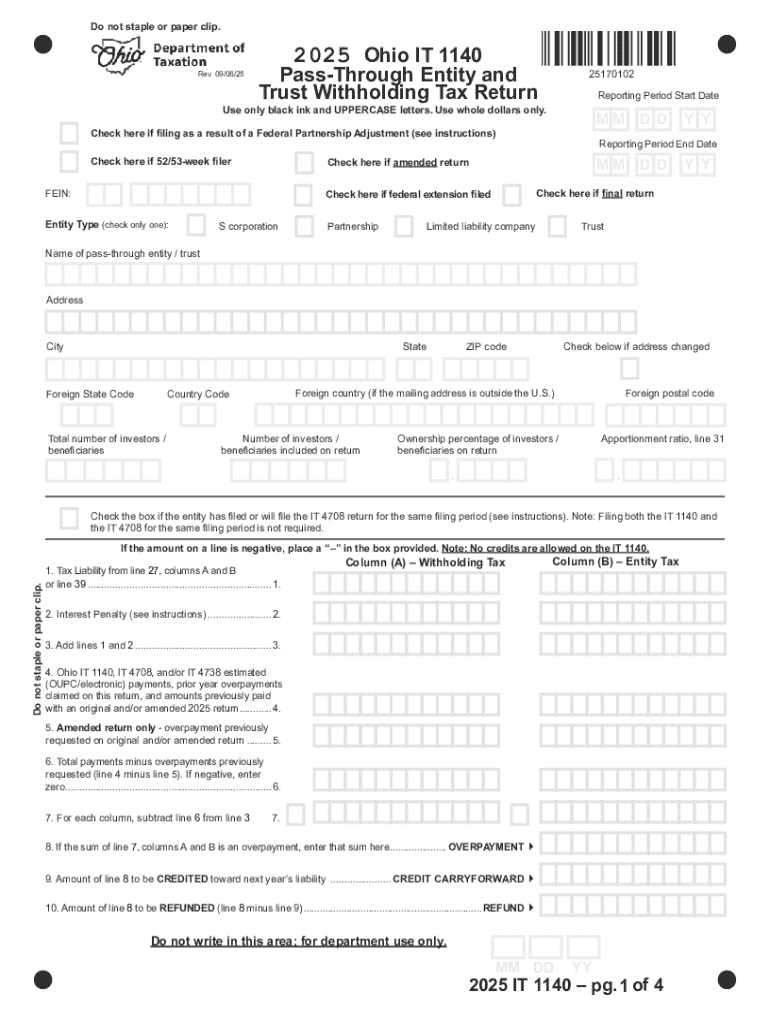
Pass-Through Entity and Fiduciary Income Tax refers to the tax obligations related to income generated by business entities like partnerships, S corporations, and trusts that pass income to their owners or beneficiaries. Unlike traditional corporations, which pay taxes on their income, pass-through entities do not pay corporate income tax. Instead, the income is reported and taxed on the individual tax returns of the owners or stakeholders, according to their share of ownership. This structure allows for a single layer of taxation rather than double taxation at both the corporate and individual levels.
Key Elements of the Pass-Through Entity and Fiduciary Income Tax
Pass-through entity taxation involves several key elements:
- Income Source: Includes any income generated by a business that is not paid out as corporate tax but passed directly to the stakeholders.
- Ownership Share: Each owner reports their respective share of the entity's income on their personal tax return.
- Business Types: Entities like LLCs, partnerships, and S corporations typically operate under this tax regime.
- Fiduciary Component: For trusts and estates, fiduciaries are responsible for reporting income generated from managed assets.
Examples of Entities
- LLC (Limited Liability Company): Often used for its flexibility and liability protection, income from an LLC is reported directly on the members' personal income taxes.
- S Corporation: Allows for income, deductions, and credit to pass through to shareholders.
- Partnerships: Income is divided and reported according to the partnership agreement.
Legal Use of the Pass-Through Entity and Fiduciary Income Tax
These tax structures are legally recognized under the Internal Revenue Code of the United States. They are designed to simplify the taxation of small to mid-size businesses and reduce the tax burden on individual owners. Legal use implies that entities must comply with specific regulations set forth by the IRS, including accurate reporting and adherence to filing requirements.
IRS Guidelines
- Tax Forms Required: Forms such as K-1 for partnerships must be issued to each partner, detailing income distribution.
- Compliance: Adhering to all IRS codes and Treasury regulations relevant to pass-through entities.
- Disclosures: Clearly report all relevant financial details on individual tax returns.
Important Terms Related to the Pass-Through Entity and Fiduciary Income Tax
Understanding related terminology is critical for accurate tax filing:
- Pass-Through Income: Income that flows directly from the business to the owner, reported on personal tax returns.
- K-1 Form: A tax document used to report income from partnerships or S corporations.
- Fiduciary: An individual or organization responsible for managing assets in a trust.
- Distributive Share: The portion of partnership income allocated to each partner.
Steps to Complete the Pass-Through Entity and Fiduciary Income Tax
Filing taxes for a pass-through entity involves several key steps:
- Collect Financial Data: Gather all income statements, balance sheets, and expense reports from the fiscal year.
- Determine Distributive Shares: Calculate each owner's share of the entity's income or loss.
- Complete Necessary Forms: Ensure all required IRS forms such as 1065, 1120S, and K-1s are accurately filled.
- Submit Forms: File with the IRS by the annual deadline, typically March 15th for S corporations.
- Report on Individual Returns: Each owner must report their share on Schedule E of Form 1040.
State-Specific Rules for the Pass-Through Entity and Fiduciary Income Tax
Tax regulations for pass-through entities can vary significantly by state:
- California: Requires an $800 annual LLC tax and an additional fee based on income.
- New York: Partnerships and S corporations must file partnership returns, even if there is no income.
- Texas: Does not impose a personal income tax, benefiting stakeholders of pass-through entities.
Filing Deadlines & Important Dates
Adhering to filing deadlines is crucial to avoid penalties:
- Federal Deadline: Typically March 15th for calendar-year partnerships and S corporations.
- Extended Deadlines: Extensions may be available, frequently moving the deadline to September 15th.
- State Deadlines: Vary by state; confirm with local tax authorities.
Penalties for Non-Compliance
Failing to comply with pass-through entity tax requirements can lead to severe penalties:
- Late Filing: Penalties accumulate daily for each late partner's statement.
- Underpayment: Additional penalties and interest may apply if taxes are underpaid or improperly reported.
- Accuracy-Related Penalties: Imposed for substantial understatement of tax liability.
To ensure compliance, businesses must maintain clear and accurate records, adhere to all IRS guidelines, and seek professional tax advice when needed.