Definition & Meaning
The "vendor intake setup form - Business and Technology Services" is a document used by organizations to collect essential information from new vendors. This form serves as an initial step in the vendor onboarding process, capturing details required to establish and maintain vendor relationships effectively. The primary purpose is to ensure that the organization has accurate data for managing transactions, including billing and payment processing.
Key Components:
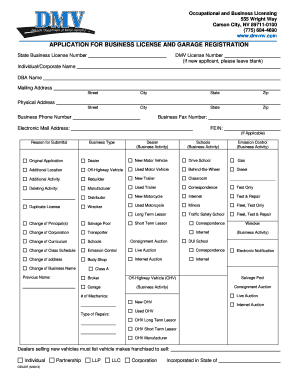
- Vendor Identification: Captures the legal name, business address, and contact details of the vendor.
- Tax and Legal Information: Includes the vendor’s tax ID, company registration details, and relevant compliance documents.
- Banking Details: Necessary for processing payments, such as bank account numbers and routing information.
- Service or Product Offerings: Outlines what the vendor provides to the organization, including product lines or technology services.
How to Use the Vendor Intake Setup Form
The vendor intake setup form plays a crucial role in streamlining the vendor onboarding process. Organizations can use this form to systematically gather pertinent information that supports efficient vendor management.
- Download or Access the Form: Obtain the form through the company’s intranet or direct request from the procurement department.
- Fill Out Details: Complete all sections meticulously, ensuring accuracy in contact and financial information to avoid delays in payment processing.
- Attach Necessary Documents: Include any required attachments, such as tax forms or company registration certificates.
- Submit the Form: Forward the completed form to the designated department via email, a dedicated vendor portal, or a physical submission if required.
- Verification Process: The submitted information will be reviewed for completeness and accuracy before proceeding to vendor approval.
Steps to Complete the Vendor Intake Setup Form
Completing the vendor intake setup form involves several key steps to ensure all necessary information is collected.
-
Vendor Information Section:
- Fill in the vendor's full legal name.
- Provide the business address and primary contact information.
-
Tax Information:
- Enter the vendor's Tax Identification Number (TIN).
- Attach any tax-related documents like the W-9 form.
-
Banking Details:
- Supply bank account numbers and routing instructions for electronic payments.
- Verify that banking details align with registered business accounts to facilitate secure transactions.
-
Service and Offerings:
- Categorize products or services the vendor will supply.
- Provide any relevant catalog numbers or service descriptions.
-
Submission and Review:
- Double-check all entered information for accuracy.
- Submit the form through the organization’s prescribed channels.
Important Terms Related to the Vendor Intake Setup Form
Understanding the terminology associated with the vendor intake setup form is vital for effective completion and processing.
- TIN (Tax Identification Number): A numerical identifier used for tax purposes.
- EFT (Electronic Funds Transfer): Used for electronic payment transactions directly from one bank account to another.
- PO (Purchase Order): A commercial document issued by a buyer to a vendor, indicating types, quantities, and agreed prices for products or services.
Legal Use of the Vendor Intake Setup Form
The vendor intake setup form adheres to legal and compliance standards to assist businesses in maintaining lawful operations. It helps verify vendors' compliance with tax laws and contractual agreements, minimizing legal risks.
- Compliance with IRS Regulations: Ensures proper documentation for tax purposes, facilitating accurate reporting.
- Contractual Obligation: Binds vendors to agreed terms, protecting both parties in transactions.
State-Specific Rules for the Vendor Intake Setup Form
Different states may have varying rules regarding vendor forms, especially concerning compliance and taxation.
- State-Specific Tax Forms: Some states might require additional state-specific tax documentation.
- Local Business Licenses: Vendors might need to provide state-specific business licensing information.
Examples of Using the Vendor Intake Setup Form
Different scenarios highlight the diverse applications and benefits of using a vendor intake setup form.
- Technology Services Firm: A firm onboarding a new software vendor will use the form to capture essential credentials and licensing agreements.
- Retail Chain: A retailer entering into a supply agreement with a product distributor will use the form to ensure all financial and compliance information is collected.
- Educational Institution: Universities may employ the form for contracting maintenance and food service vendors, ensuring all legal and tax details are in order.
Digital vs. Paper Version
Using a digital vendor intake setup form can offer several advantages over paper-based versions.
- Efficiency: Electronic forms reduce the time spent on manual data entry and are easier to distribute and retrieve.
- Security: Digital submissions often come with enhanced encryption and data protection measures.
- Environmentally Friendly: Minimizes paper waste by encouraging digital document handling.
Required Documents
Vendors are typically required to attach supplementary documents when submitting the vendor intake setup form.
- Completed W-9: Commonly required for tax purposes.
- Certificates of Insurance: If applicable, to ensure coverage complies with contractual obligations.
- Proof of Business Registration: Verifies the vendor's legitimacy as a business entity.
By understanding and thoroughly completing the vendor intake setup form, organizations can effectively manage vendor relationships, ensuring precise and efficient financial transactions.